Scenic Driving Routes in Italy
Italy combines iconic coastal roads, alpine passes, rolling countryside, and historic villages into one of Europe’s most scenic driving destinations. Drivers can explore the Dolomites, Amalfi Coast, Tuscany, Lake Como, and Sicily. The country offers dense variation within short distances. Italy is ideal for scenic driving combined with culture, food, and history.
Italy offers a diverse road trip environment defined by rapid transitions between distinct topographical regions. Drivers can navigate high alpine passes in the north, descend into wide agricultural basins, and trace narrow marine terraces along the southern peninsula. This varied terrain means a single route can connect glacial lakes, volcanic hillsides, and coastal cliffs within a few hours of travel, making the driving experience highly variable depending on regional geography.
Map of scenic routes in Italy
Click on a route line to open its detailed page
Historical context of Italy
The modern highway system largely mirrors the structural alignment of ancient Roman consular roads, which were built to connect distant frontier regions to the administrative center. In subsequent centuries, regional fragmentation led to highly localized network development, with defensive hilltop settlements requiring steep, winding access tracks. Post-war engineering initiatives introduced extensive tunnel networks and elevated viaducts, allowing drivers to cut through complex massifs rather than navigating slow, circuitous valley routes.
Geography of Italy
The central Apennine range acts as a physical spine running the length of the peninsula, creating a barrier that historically isolated the eastern and western coasts. In the north, the glaciated topography of the Alps features high-altitude passes that are subject to seasonal snow closures. These mountain barriers force major transit corridors into the flat Po River basin, while regional roads must trace the rugged contours of limestone cliffs and alluvial valleys.
Road conditions in Italy
The driving infrastructure features a stark contrast between toll-financed autostrade and secondary provincial roads. The primary highways prioritize high-speed transit through flat valleys via extensive bridges, while regional routes follow older terrain lines with tight curves and shifting elevations. Drivers encounter dense traffic and narrow lanes in historic urban centers, which transitions to lower vehicle densities and open vistas in rural upland sectors.
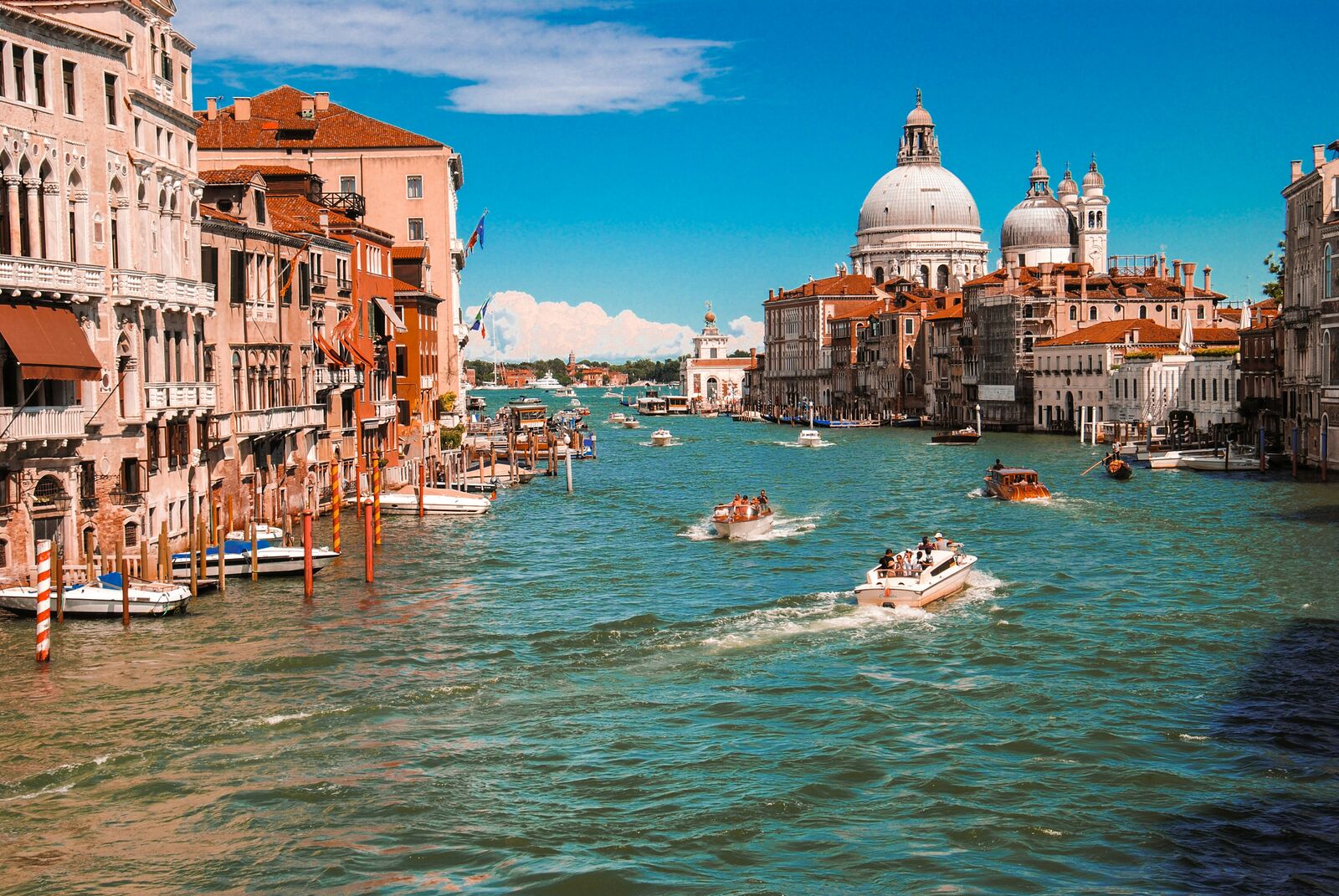
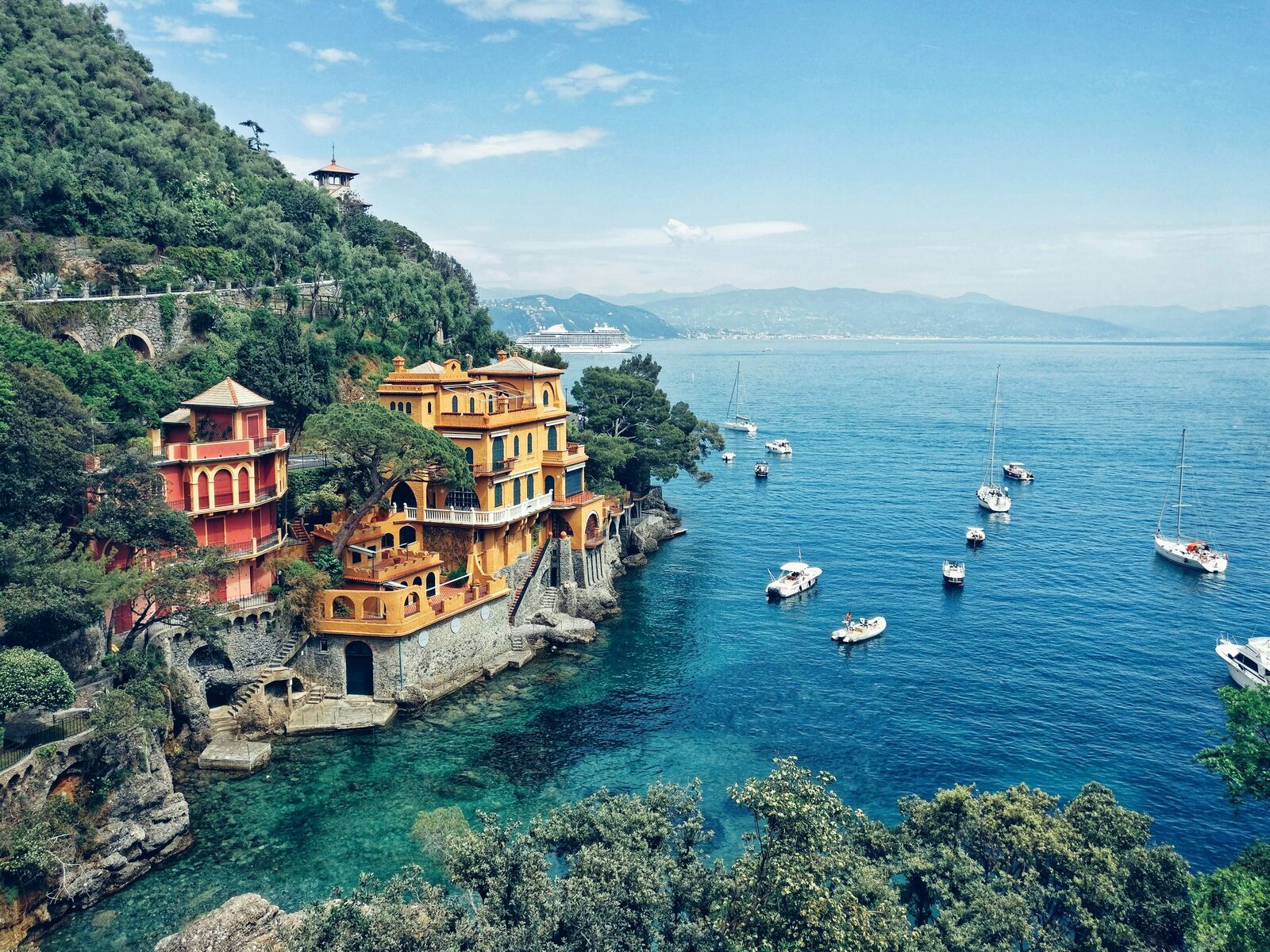
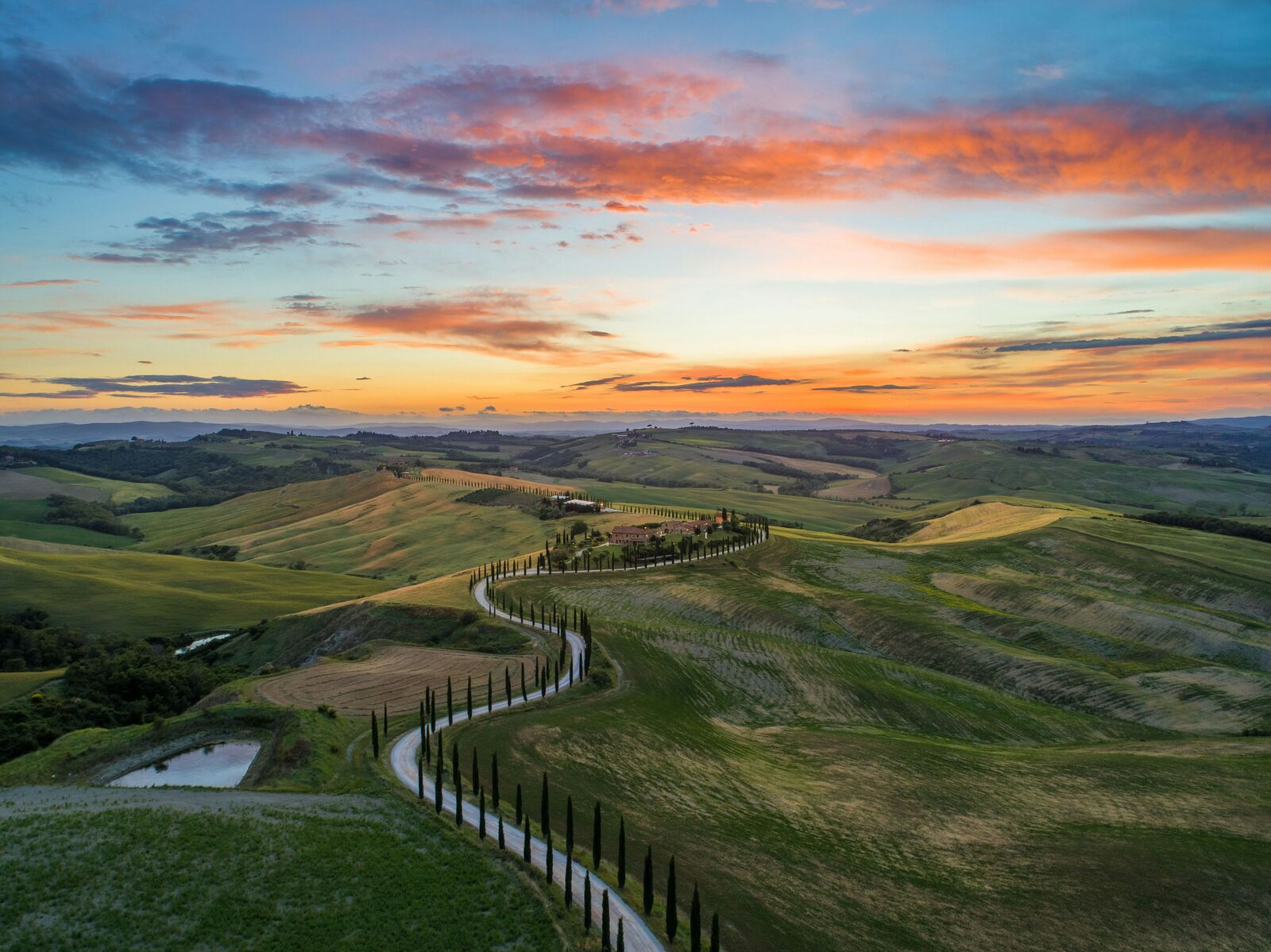
Scenic routes in Italy
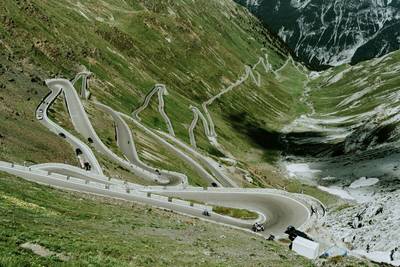
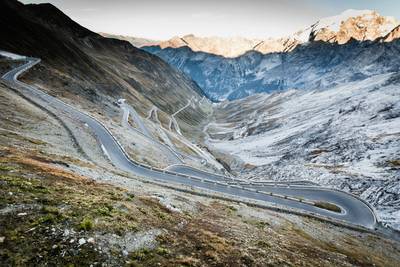
Mountain roads
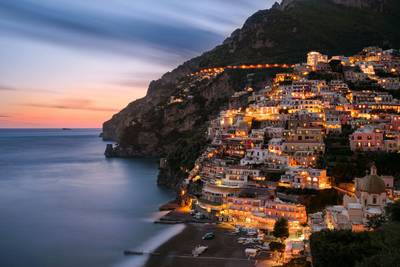
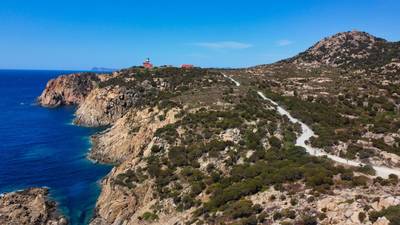
Coastal drives
Interesting facts about Italy
- Many modern state highways still follow the exact physical paths cleared by Roman engineers two thousand years ago.
- The construction of mountain viaducts allows drivers to cross deep alpine gorges without descending into valley floors.
- Peninsular geography forces many coastal roads to be partially carved directly into vertical marine limestone cliffs.
Why take a road trip in Italy?
Driving through Italy is one of the best ways to experience its landscapes. Many of the most beautiful places are not accessible by public transport, which makes road trips the most flexible and rewarding way to explore.
The real value is not just in destinations, but in the journey itself — long empty roads, unexpected viewpoints, and small stops that don’t appear in guidebooks.
FAQ about scenic driving in Italy
What is the best scenic drive in Italy?
It depends on the region, but mountain and coastal routes are usually the most popular.
When is the best time to visit?
Spring to early autumn is generally the best season for road trips.
Are these routes beginner-friendly?
Many routes are easy to drive, but mountain roads may require more attention.