
Scenic Driving Routes in Oman
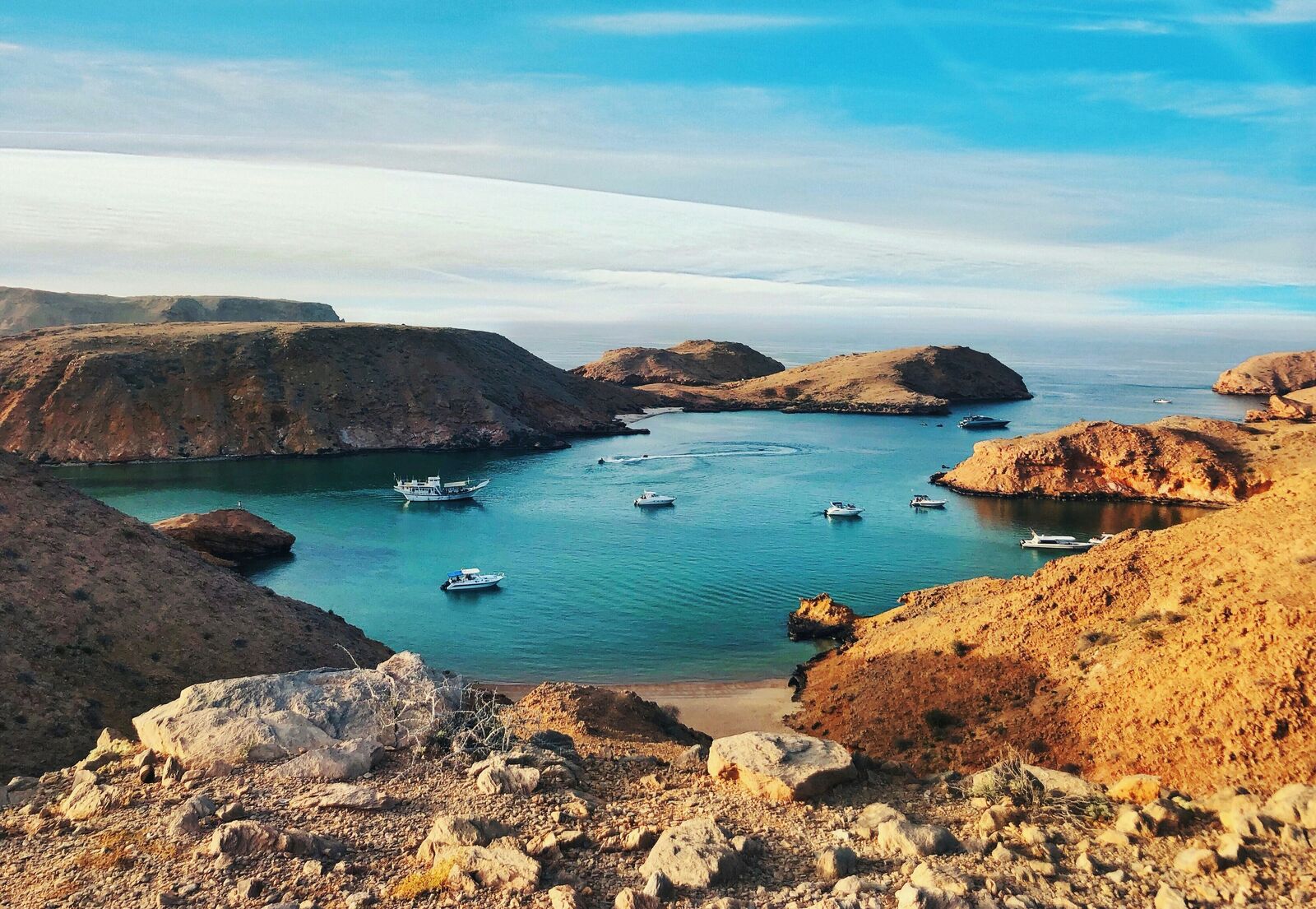
Oman offers peaceful and dramatic desert and mountain driving, with clean highways, empty roads, and striking natural landscapes. Drivers can explore the Hajar Mountains, desert dunes, wadis, and coastal routes along the Arabian Sea. The scenery is minimalistic and powerful. Oman is ideal for relaxed desert road trips with strong visual contrast.
Oman offers a distinct road trip environment shaped by wide desert expanses and steep, rocky mountain passes. Driving here moves you quickly between flat coastal plains along the Arabian Sea and high-altitude gravel tracks. The asphalt routes follow natural valley floors before climbing into steep limestone ridges, creating a varied journey where long, straight desert highways lead directly into tightly winding mountain loops over very short distances.
Map of scenic routes in Oman
Click on a route line to open its detailed page
Historical context of Oman
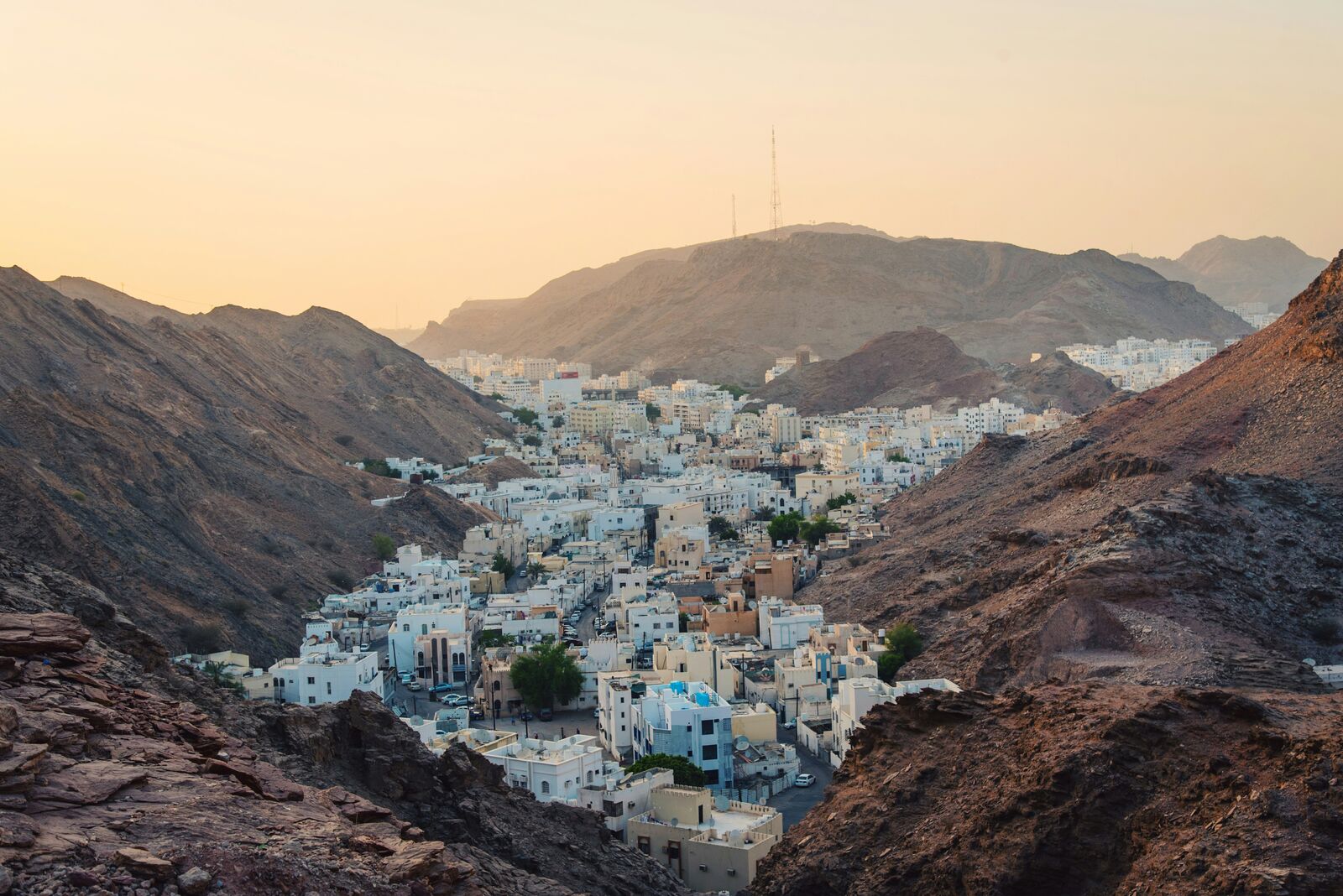
For centuries, isolated interior communities were separated from coastal trading ports by the rugged terrain of the Hajar range. Maritime trade dominated the coast, while frankincense caravans moved through southern desert routes. Modern infrastructure development accelerated after 1970, intentionally building paved roads to unify these historically divided regions. These engineering projects cut through solid rock to convert ancient footpaths into engineered mountain passes, establishing the interconnected asphalt network drivers use today.
Geography of Oman
The topography is defined by the sharp elevations of the Al Hajar mountains in the north and the expansive sands of the Empty Quarter in the west. Roads are forced to follow deep valley beds, known locally as wadis, which serve as natural channels through the mountains. Elevation rises quickly from sea level to over two thousand meters, requiring roads to use steep gradients and sharp switchbacks to clear the ridges before leveling out onto flat, coastal plains.
Road conditions in Oman
The driving experience changes from multi-lane coastal highways to isolated desert corridors. Major routes between urban hubs feature smooth pavement and clear markings, while mountain driving requires navigating unpaved gravel tracks with steep drops. The density of fuel and service stations is high near cities but drops significantly along desert routes, where long, straight stretches require sustained attention through uniform landscapes.
Scenic routes in Oman
Interesting facts about Oman
- Most modern paved roads were constructed after 1970 to link isolated interior mountain villages with coastal trade hubs.
- Mountain roads frequently track through dry riverbeds, which act as the primary natural corridors for regional transit.
- Southern roads experience seasonal monsoon mist, transforming arid coastal hills into green driving corridors for two months.
Why take a road trip in Oman?
Driving through Oman is one of the best ways to experience its landscapes. Many of the most beautiful places are not accessible by public transport, which makes road trips the most flexible and rewarding way to explore.
The real value is not just in destinations, but in the journey itself — long empty roads, unexpected viewpoints, and small stops that don’t appear in guidebooks.
FAQ about scenic driving in Oman
What is the best scenic drive in Oman?
It depends on the region, but mountain and coastal routes are usually the most popular.
When is the best time to visit?
Spring to early autumn is generally the best season for road trips.
Are these routes beginner-friendly?
Many routes are easy to drive, but mountain roads may require more attention.