Scenic Driving Routes in Latvia
Latvia offers peaceful scenic driving through forests, lakes, Baltic coastline, and rural countryside. The country is calm and lightly populated. Drivers can explore Baltic coastal roads, Gauja National Park, forest highways, and rural villages. The scenery is quiet and natural. Latvia is ideal for relaxed nature-focused road trips.
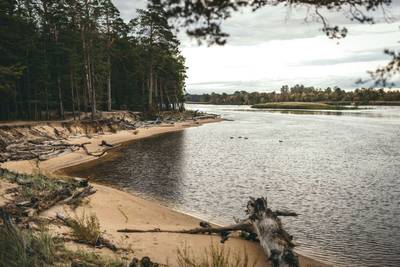
Latvia offers a distinct driving landscape characterized by expansive lowland plains, dense pine forests, and a long, sandy Baltic coastline. Road trips here navigate a network of quiet routes that cut through extensive woodlands and parallel major river networks. The absence of steep inclines creates an open, horizontal driving experience where the primary variety comes from transitioning between coastal dune corridors, agricultural basin landscapes, and forested river valleys.
Map of scenic routes in Latvia
Click on a route line to open its detailed page
Historical context of Latvia
The layout of modern Latvian roads reflects its history as a strategic trading corridor between the Baltic Sea and eastern plains. Hanseatic trade routes settled along the Gauja and Daugava rivers, establishing historic market towns that drivers still navigate today. During the twentieth century, Soviet military planning emphasized centralized transit axes connecting major industrial hubs and coastal defense zones. This left a legacy of wide primary highways interspersed with low-traffic rural roads that link scattered farmsteads and old regional estates.
Geography of Latvia
The physical geography consists of glaciated plains and rolling moraine hills, which limits vertical road gradients across the territory. Minor upland areas, such as the Vidzeme Heights, create gentle curves and slight elevations rather than steep climbs. The prominent Gauja River basin forms a deeply carved sandstone valley that requires roads to wind through thick forest canopies. Coastal routes sit behind protective dune systems, running flat and straight over long distances due to the uniform seaside terrain.
Road conditions in Latvia
Driving across the country is defined by flat, straight stretches and low vehicle density outside the capital region. Primary routes feature asphalt surfaces with standard European markings, while secondary roads transitioning into deep forest zones often consist of hard-packed gravel. Infrastructure is spaced evenly between rural towns, meaning fuel and services are consistently available. The open view corridors across northern meadows make for predictable sightlines, with road curvature increasing only when approaching river crossings.
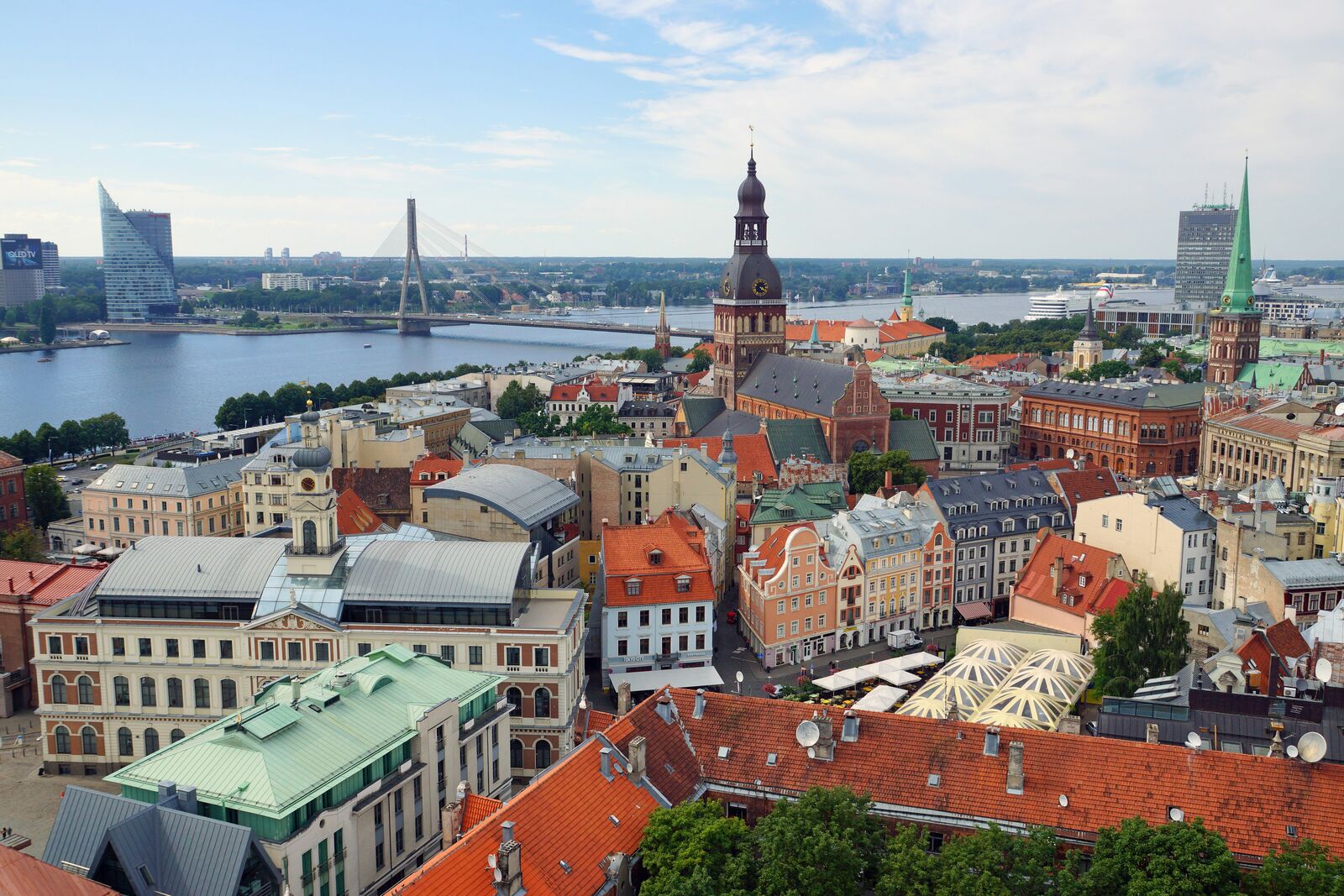
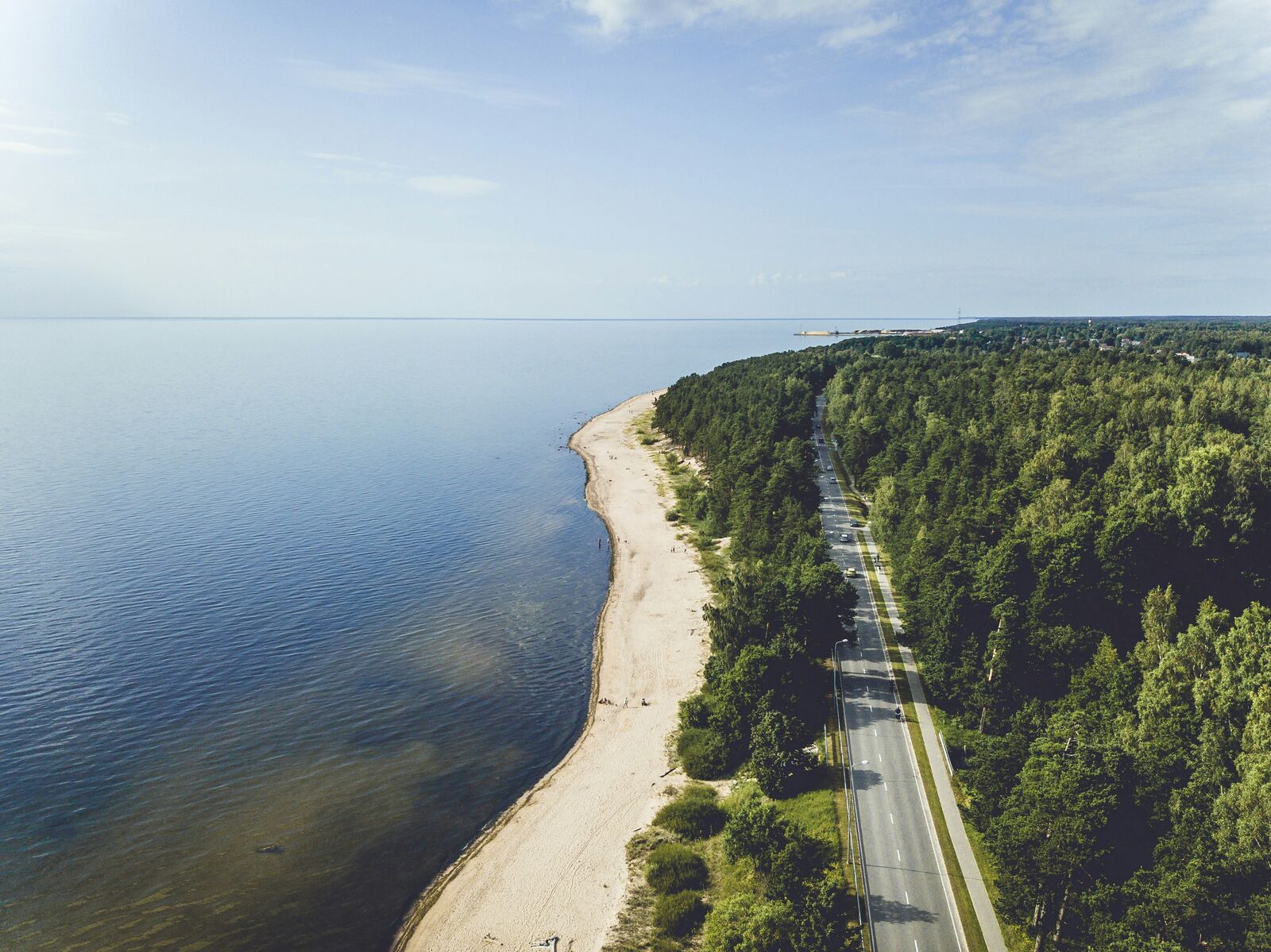
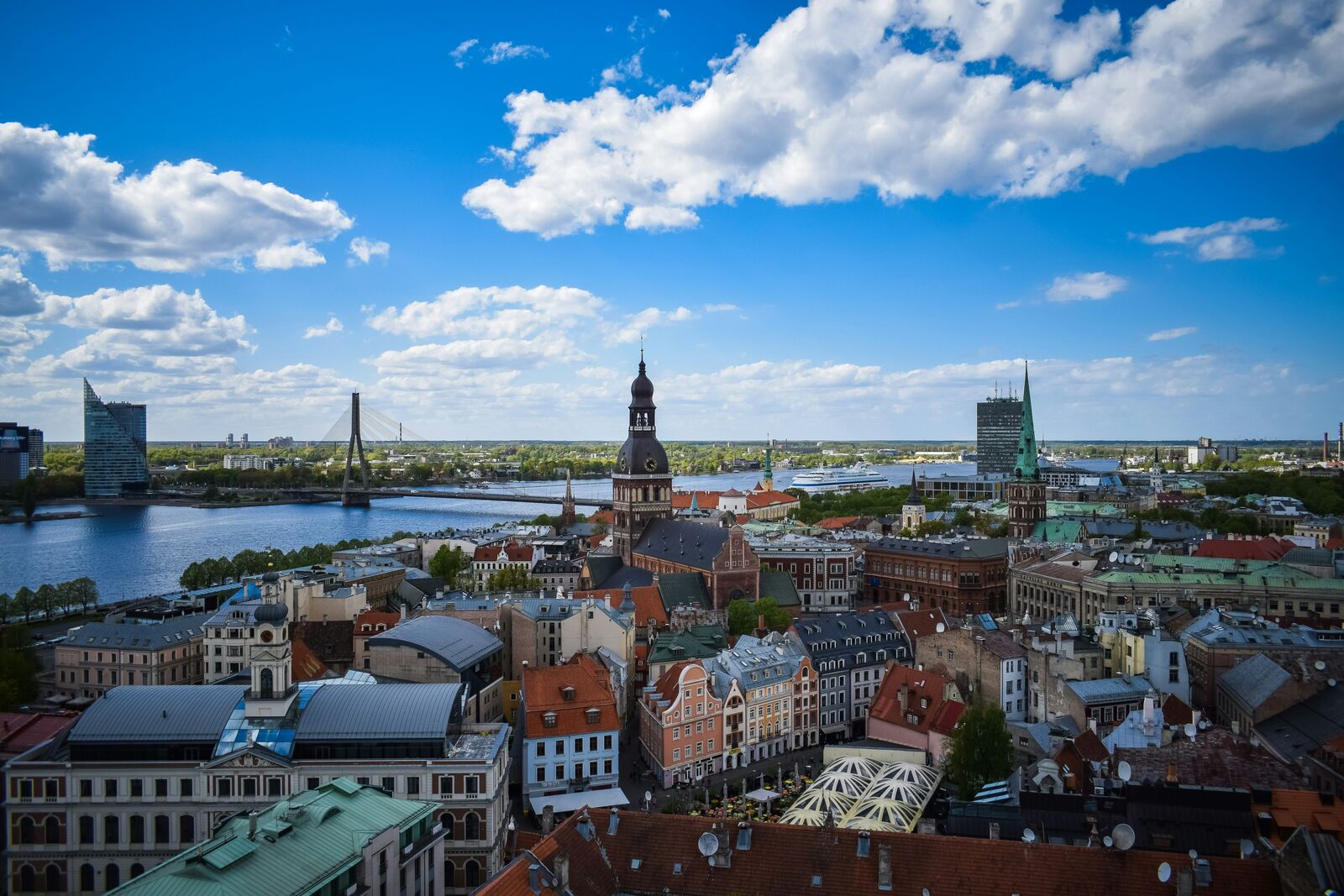
Scenic routes in Latvia
Interesting facts about Latvia
- Over half of the territory is covered by forest, meaning rural routes run through continuous canopy corridors.
- The flat glacial topography means drivers rarely encounter steep road inclines or sharp hairpin turns.
- Many secondary roads remain gravel, preserving historical rural routes established before modern twentieth-century paving projects.
Why take a road trip in Latvia?
Driving through Latvia is one of the best ways to experience its landscapes. Many of the most beautiful places are not accessible by public transport, which makes road trips the most flexible and rewarding way to explore.
The real value is not just in destinations, but in the journey itself — long empty roads, unexpected viewpoints, and small stops that don’t appear in guidebooks.
FAQ about scenic driving in Latvia
What is the best scenic drive in Latvia?
It depends on the region, but mountain and coastal routes are usually the most popular.
When is the best time to visit?
Spring to early autumn is generally the best season for road trips.
Are these routes beginner-friendly?
Many routes are easy to drive, but mountain roads may require more attention.