
Scenic Driving Routes in Montenegro
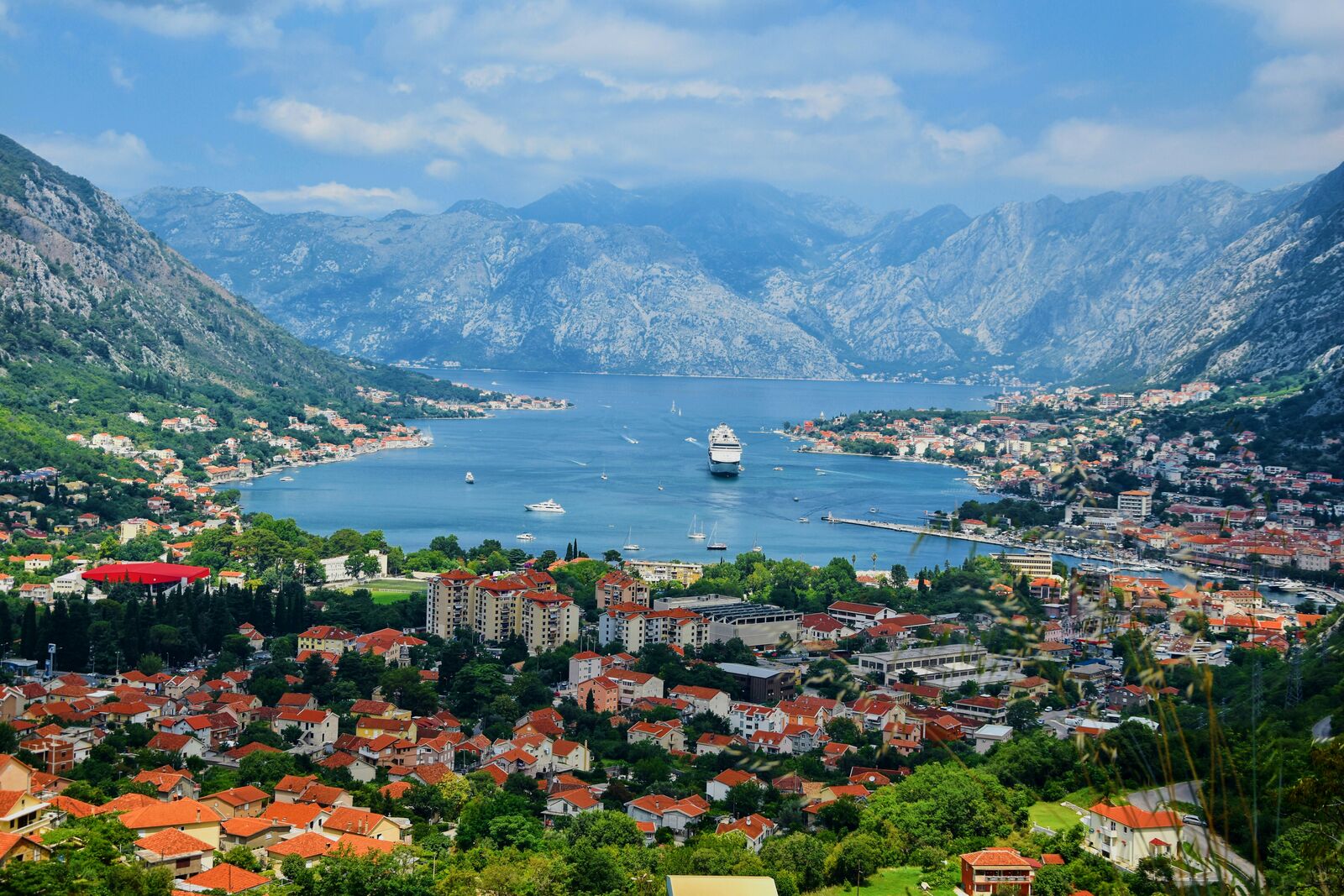
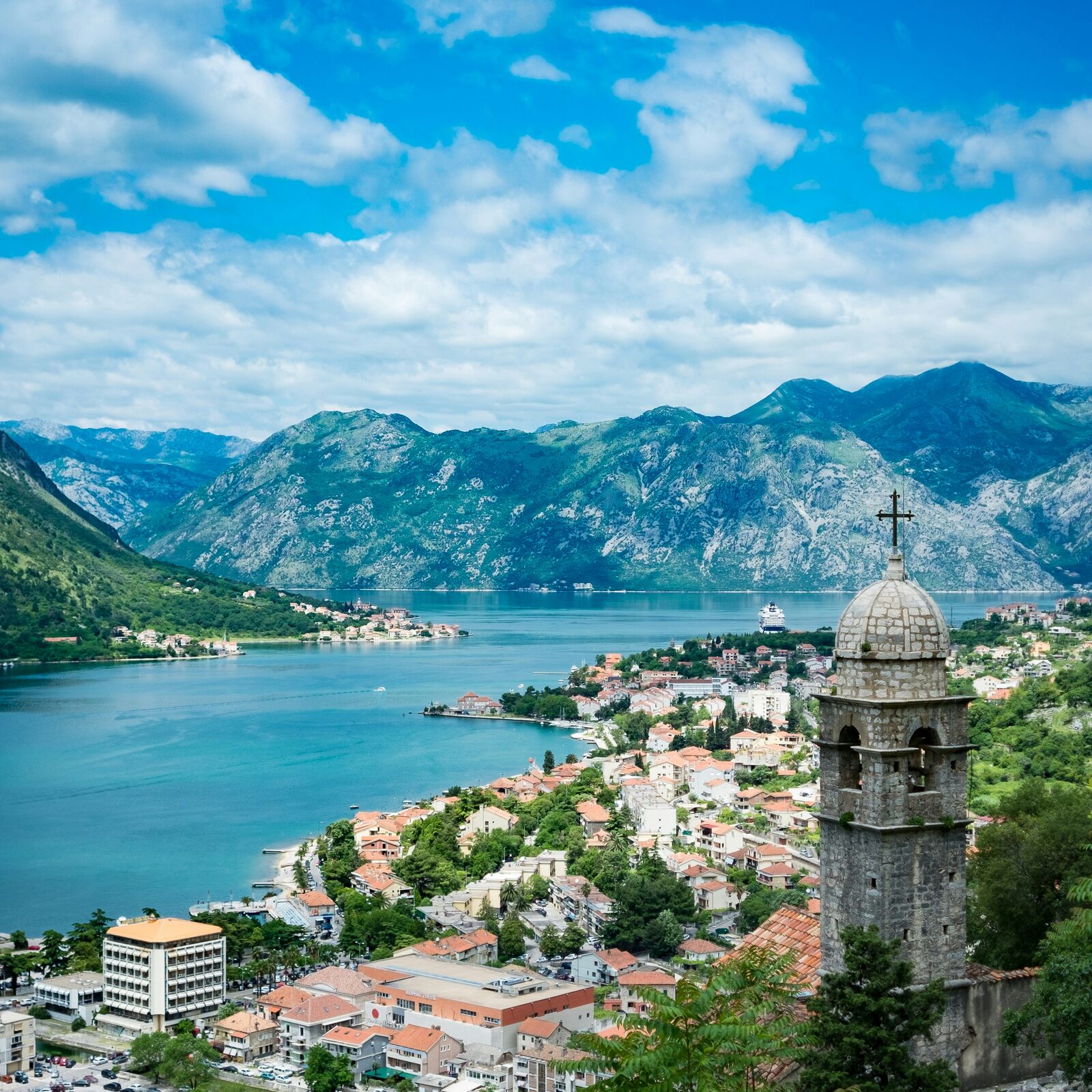
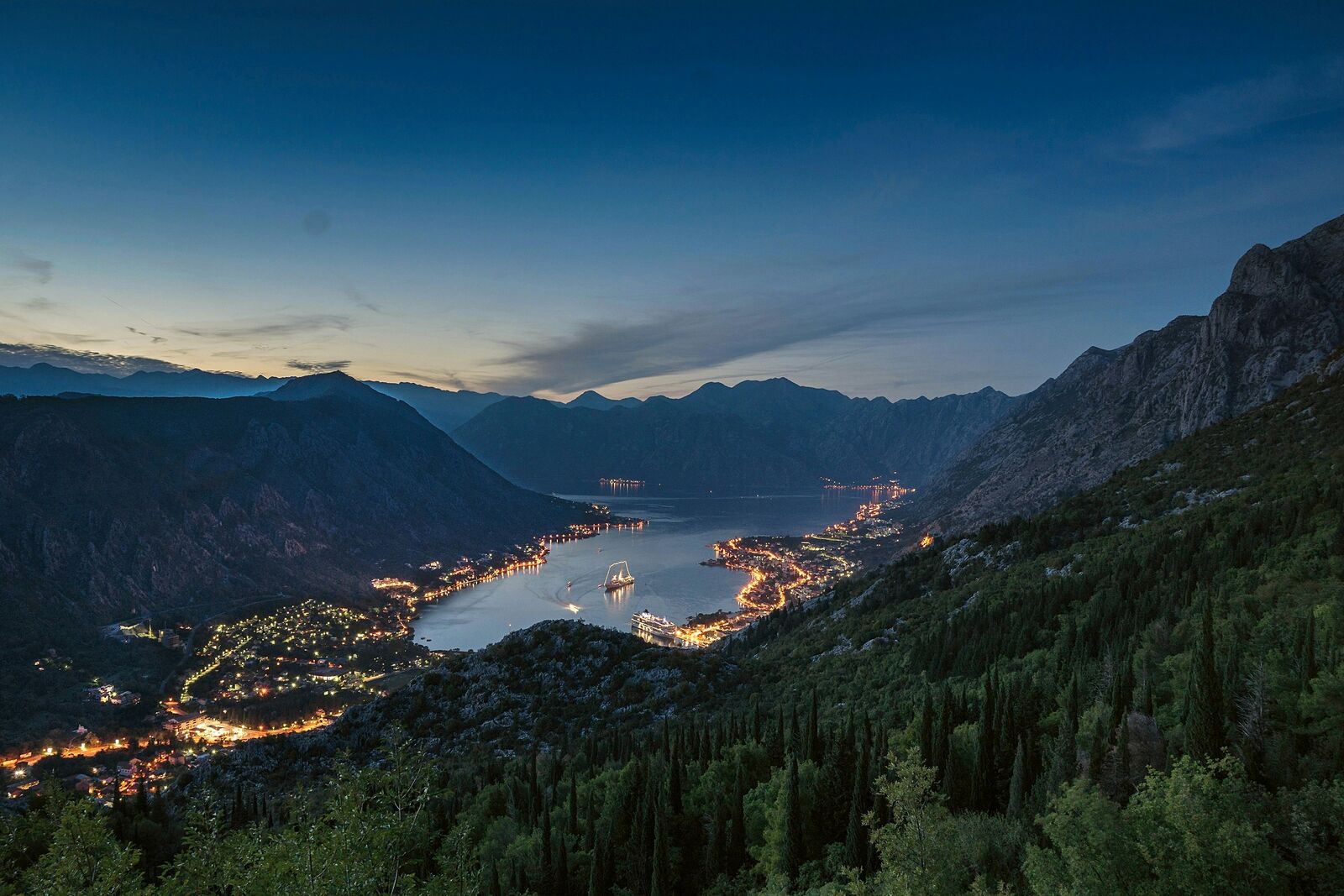
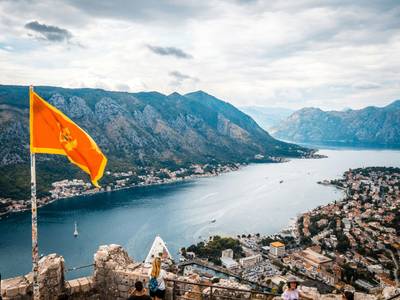
Montenegro offers dramatic scenic driving with mountains, fjords-like bays, and Adriatic coastline. The country is small but extremely visually intense. Drivers can explore the Bay of Kotor, Durmitor National Park, mountain passes, and coastal highways. The contrast between sea and mountains is striking. Montenegro is ideal for short but highly scenic road trips.
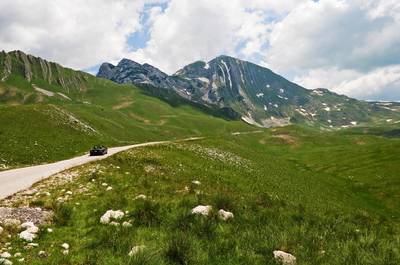
Montenegro provides a dense driving environment where coastal routes shift to alpine tracks across brief distances. Road trips here are defined by the immediate transition from the sea level bays of the Adriatic to high karst plateaus. Drivers navigate a network built across steep limestone massifs, deep river canyons, and high high-altitude meadows, making the regional contrast between maritime settlements and isolated mountain valleys the central feature of travel.
Map of scenic routes in Montenegro
Click on a route line to open its detailed page
Historical context of Montenegro
The historic boundary between the Venetian Republic on the coast and the Ottoman and Old Montenegrin territories inland shaped the earliest engineered roads. Nineteenth-century Austro-Hungarian military engineers constructed serpentine stone routes to connect coastal forts with the high interior capital of Cetinje. Later twentieth-century Yugoslav infrastructure projects focused on carving rail and road links through deep northern river valleys to connect the coast with Belgrade, creating the modern canyon-clinging highways used by motorists today.
Geography of Montenegro
The country is defined by severe vertical relief, where limestone mountains rise straight out of the Adriatic Sea. This steep topography forces roads to hug the contours of the Bay of Kotor and utilize narrow river channels like the Morača Canyon to access the interior. High elevations in the Durmitor massif create an alpine climate zone that isolates northern villages in winter, meaning mountain passes remain narrow and highly dependent on seasonal clearing.
Road conditions in Montenegro
The road network transitions from wide, heavily trafficked coastal blacktop to single-lane interior mountain passes. Driving inland involves navigating rock-hewn tunnels, continuous switchbacks, and steep gradients where stone retaining walls separate the roadway from deep valley floors. While coastal infrastructure is dense with frequent fuel and food stops, northern routes require travelers to plan ahead due to sparse services across the highland plateaus.
Scenic routes in Montenegro
Interesting facts about Montenegro
- Austro-Hungarian military engineers built the original twenty-five switchback road climbing from the coast to the old interior capital.
- Roads through the northern limestone canyons require dozens of hand-carved tunnels to maintain passage through the sheer rock walls.
- The extreme topography means drivers can travel from Mediterranean coastal palms to alpine pine forests in under two hours.
Why take a road trip in Montenegro?
Driving through Montenegro is one of the best ways to experience its landscapes. Many of the most beautiful places are not accessible by public transport, which makes road trips the most flexible and rewarding way to explore.
The real value is not just in destinations, but in the journey itself — long empty roads, unexpected viewpoints, and small stops that don’t appear in guidebooks.
FAQ about scenic driving in Montenegro
What is the best scenic drive in Montenegro?
It depends on the region, but mountain and coastal routes are usually the most popular.
When is the best time to visit?
Spring to early autumn is generally the best season for road trips.
Are these routes beginner-friendly?
Many routes are easy to drive, but mountain roads may require more attention.