
Scenic Driving Routes in Canada
Canada offers some of the most expansive scenic driving in the world, with mountains, forests, lakes, and Arctic landscapes. Road trips often involve vast distances and dramatic nature. Drivers can explore the Rocky Mountains, Icefields Parkway, Pacific coast routes, and Atlantic provinces. Each region has its own distinct natural identity. Canada is ideal for long scenic drives focused on wilderness and large-scale landscapes.
Canada offers a vast driving landscape defined by immense latitudinal shifts and sharp regional contrasts. Road trips here navigate diverse terrain types, from the indented Atlantic coastline and the flat expanse of the interior plains to the massive cordillera in the west. Driving through this country means covering vast distances through dense boreal forests, deep river valleys, and high subarctic tundra, where the sheer scale of the wilderness creates a distinct sense of isolation between remote settlements.
Map of scenic routes in Canada
Click on a route line to open its detailed page
Historical context of Canada
The layout of Canada's modern highway network was heavily influenced by early fur trade waterways and nineteenth-century railway corridors. Settlement patterns formed primarily along a narrow southern ribbon close to the United States border, leaving northern regions accessible only by specialized industrial routes. The completion of the Trans-Canada Highway in 1962 linked these disparate regional networks, creating a continuous paved corridor that allows drivers to traverse major natural barriers, such as the rocky Canadian Shield and the western mountain passes, which previously prevented cross-country travel.
Geography of Canada
The physical geography dictates linear road placement, forcing routes to follow natural paths through difficult terrain. In the west, roads are constrained by mountain passes and deep valleys within the rocky cordillera, requiring significant elevation changes. The central plains allow for straight, low-gradient driving routes, while the Canadian Shield features exposed granite bedrock and thousands of lakes, which forced engineers to build winding roads that curve around water systems and glacial deposits rather than cutting through them.
Road conditions in Canada
Driving across the country involves a transition from dense multi-lane highway networks to long, isolated two-lane corridors. In the southern urban zones, infrastructure is highly developed with frequent service stations and predictable pavement conditions. As drivers head north or into mountainous areas, the distance between refueling points increases significantly. The road surface interacts directly with a harsh climate, meaning northern routes often feature coarse asphalt designed to withstand frost heaves and winter degradation.
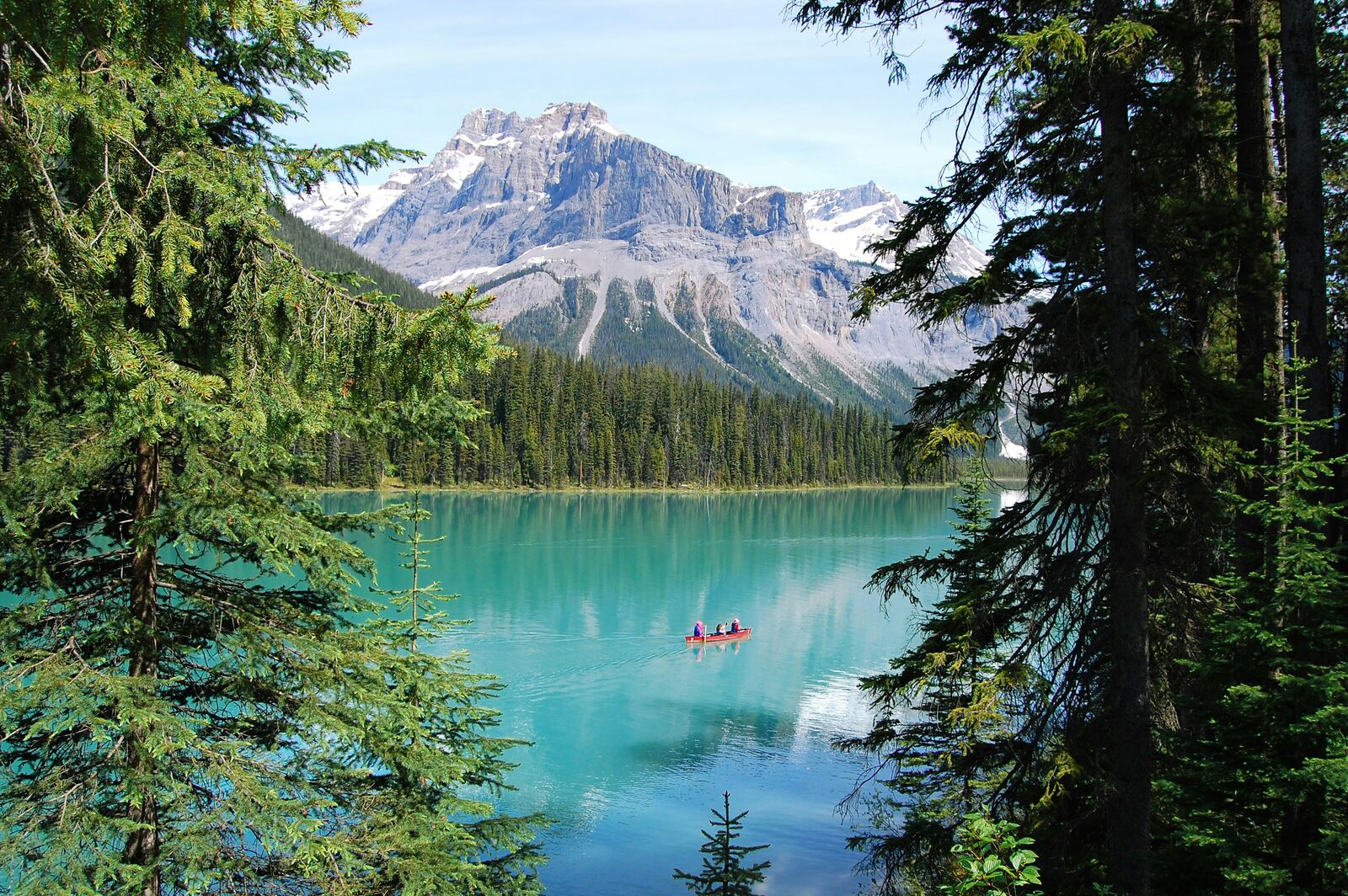
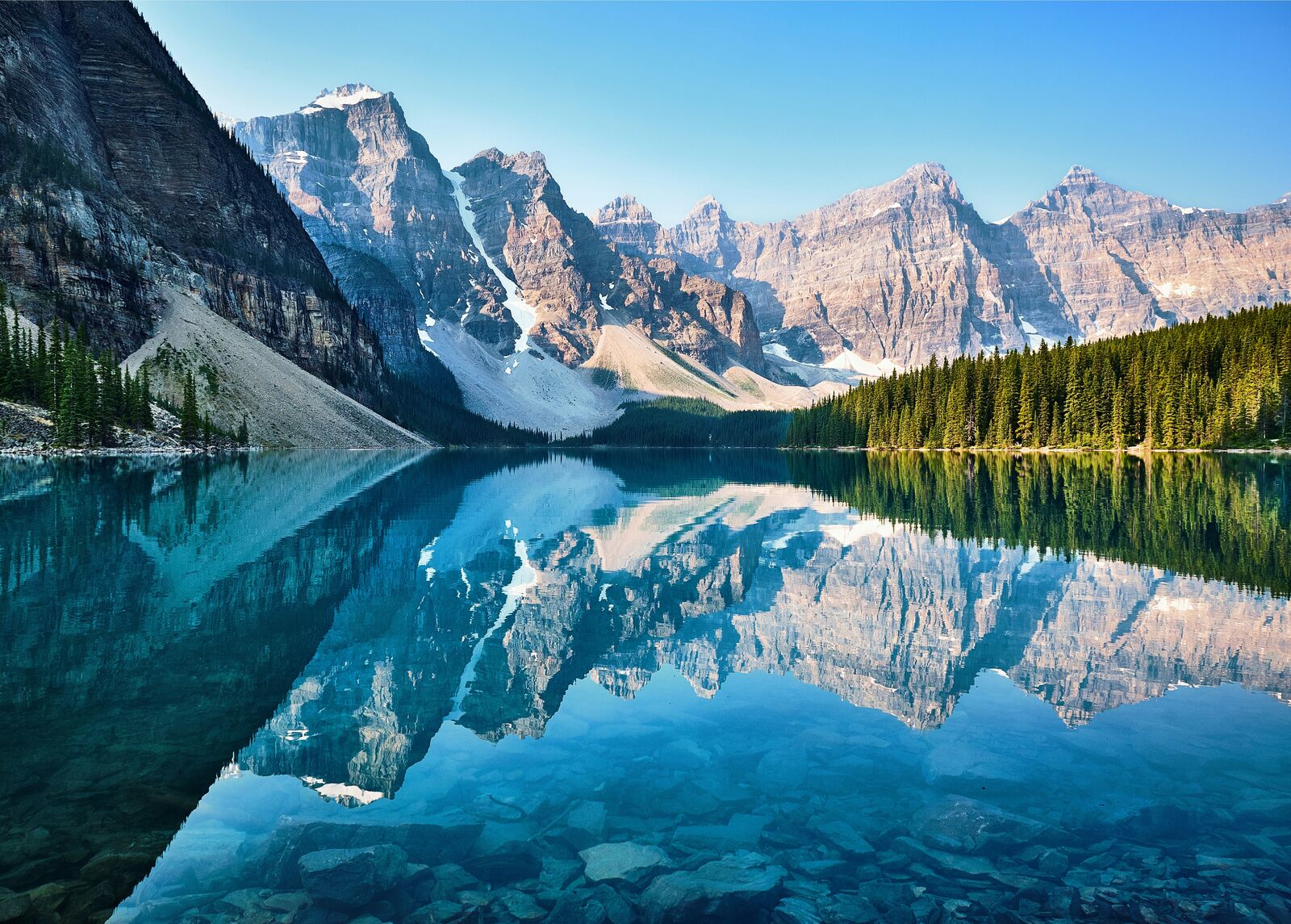
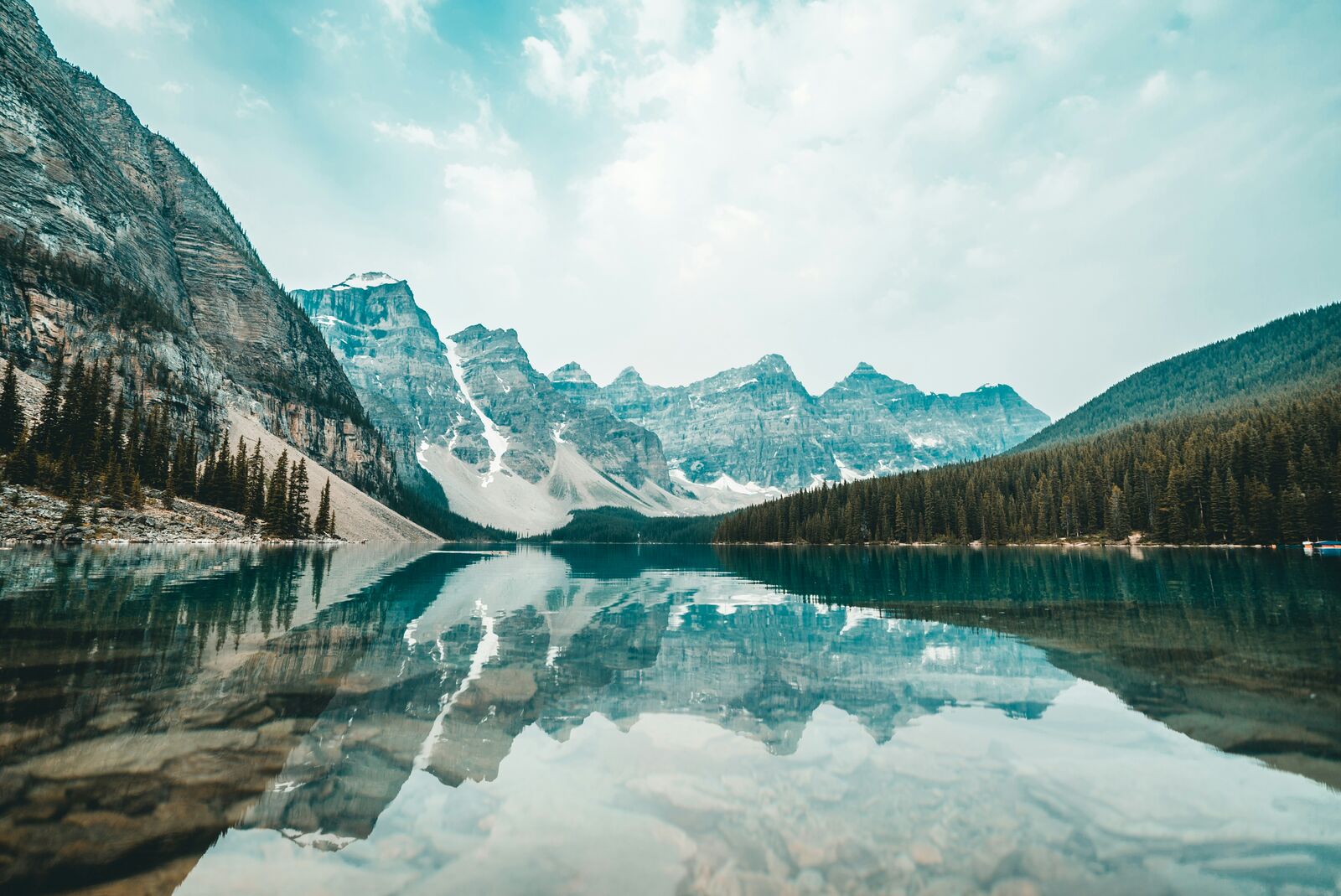
Scenic routes in Canada
Mixed scenic routes
Icefields Parkway Rocky Mountain Scenic Drive
One of the most scenic drives in the Canadian Rockies.
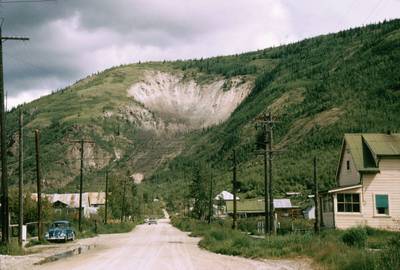
Yukon Wilderness Northern Scenic Drive
Wild northern landscapes and forests.
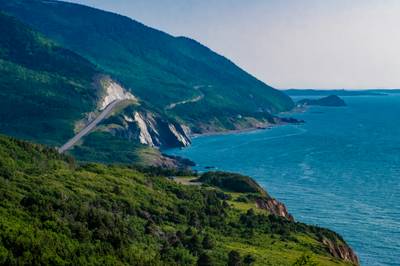
Cabot Trail
Iconic Atlantic coastal loop with cliffs, forests and sweeping ocean views
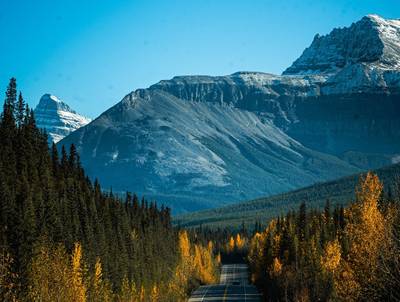
Sea-to-Sky Highway Ultimate Coastal Mountain Scenic Drive – Vancouver to Whistler Experience
Stunning coastal highway linking Vancouver with Whistler through fjords, waterfalls and mountain peaks
Interesting facts about Canada
- The Trans-Canada Highway spans over seven thousand kilometers, making it one of the longest continuous national driving routes.
- Permafrost in the northern territories requires gravel-surfaced highways to prevent the road bed from melting the underlying ice.
- Many northern remote routes rely on frozen winter roads over lakes to connect communities inaccessible during summer months.
Why take a road trip in Canada?
Driving through Canada is one of the best ways to experience its landscapes. Many of the most beautiful places are not accessible by public transport, which makes road trips the most flexible and rewarding way to explore.
The real value is not just in destinations, but in the journey itself — long empty roads, unexpected viewpoints, and small stops that don’t appear in guidebooks.
FAQ about scenic driving in Canada
What is the best scenic drive in Canada?
It depends on the region, but mountain and coastal routes are usually the most popular.
When is the best time to visit?
Spring to early autumn is generally the best season for road trips.
Are these routes beginner-friendly?
Many routes are easy to drive, but mountain roads may require more attention.