Scenic Driving Routes in Namibia
Namibia offers one of the most unique scenic driving experiences in the world, with vast deserts, dunes, salt pans, and empty highways stretching across extreme landscapes. Drivers can explore the Namib Desert, Sossusvlei dunes, Skeleton Coast, and remote gravel roads. The scenery is vast, minimalistic, and dramatic. Namibia is ideal for remote adventure road trips focused on desert landscapes and isolation.
Namibia offers a driving experience defined by vast arid spaces and low population density, where travelers navigate thousands of miles of unpaved routes. The landscape transitions from the coastal dunes of the Namib Desert to the high interior plateau and the northern salt pans. Driving here is distinctive due to the immense scale of the road network, which cuts through hyper-arid plains, rugged granite hills, and flat savannahs, offering vast horizons and long distances between settlements.
Map of scenic routes in Namibia
Click on a route line to open its detailed page
Historical context of Namibia
The layout of Namibia’s modern road network reflects late nineteenth-century German colonial military expansion and subsequent twentieth-century South African administration. Roads were built to connect remote mining outposts, coastal ports like Lüderitz, and central agricultural hubs to the capital, Windhoek. Because traditional indigenous migration routes prioritized seasonal waterholes, colonial infrastructure bypassed these patterns to establish fixed trade corridors. This historical development left an expansive framework of wide gravel roads that still dictate how drivers traverse the country today.
Geography of Namibia
The country is split geographically by the Great Escarpment, a steep rise that separates the low-lying coastal desert from the elevated central plateau. Roads running east to west must climb this rocky slope via steep passes, while north-south routes follow the flatter terrain of the interior basin. The hyper-arid climate means permanent rivers are nearly non-existent in the interior, so routes face fewer water crossings but must navigate deep sand drifts and dry riverbeds that shift with seasonal winds.
Road conditions in Namibia
The vast majority of the national road network consists of wide, well-engineered salt and gravel surfaces rather than asphalt. Driving conditions feature long, straight stretches across open plains, requiring sustained tracking over corrugated dirt surfaces. The regional contrast is sharp, shifting from hard-packed coastal salt roads to loose interior gravel tracks. Infrastructure like fuel stops and mechanics is spaced far apart, making the density of roadside services exceptionally low outside of major regional towns.
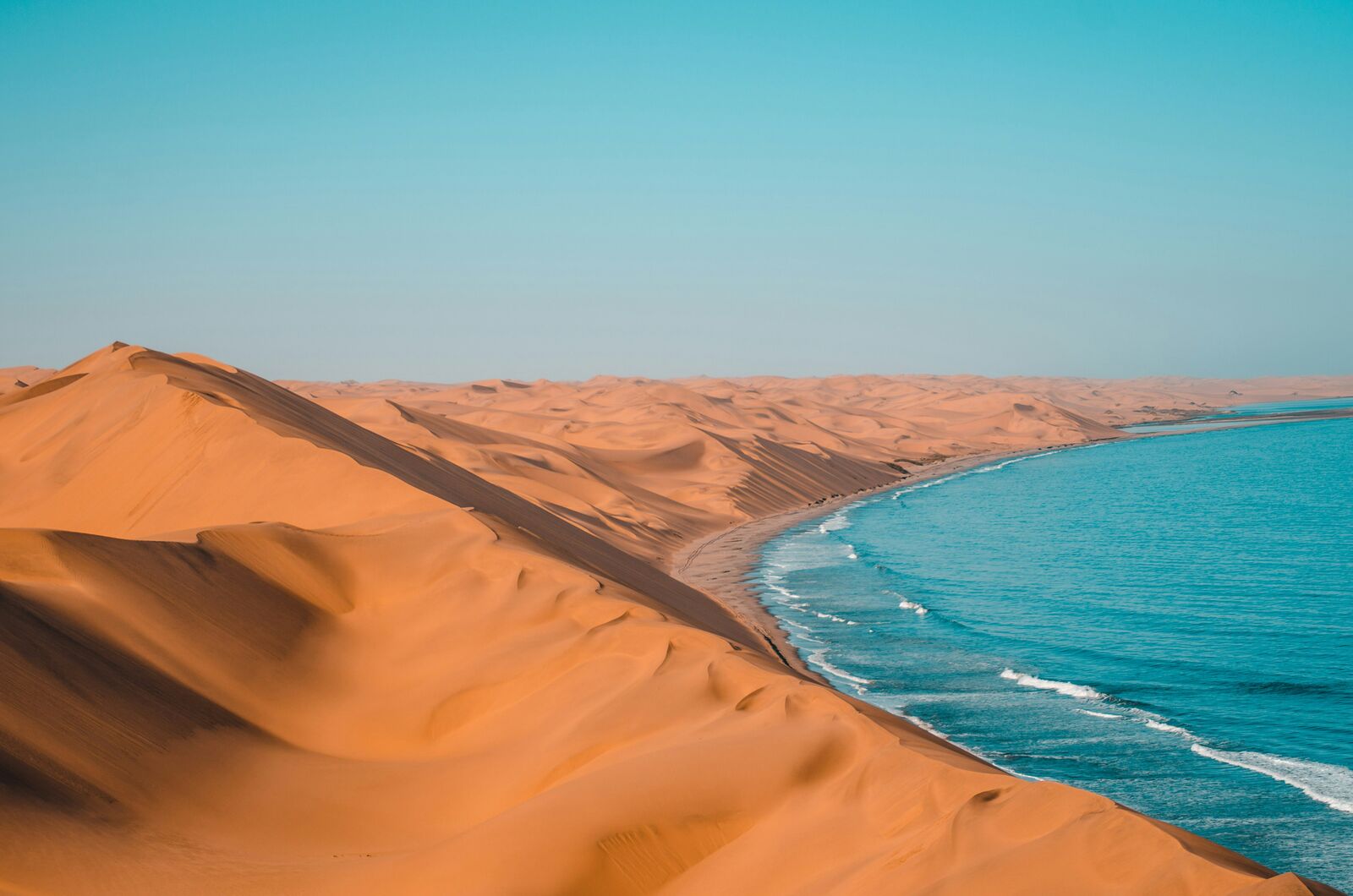
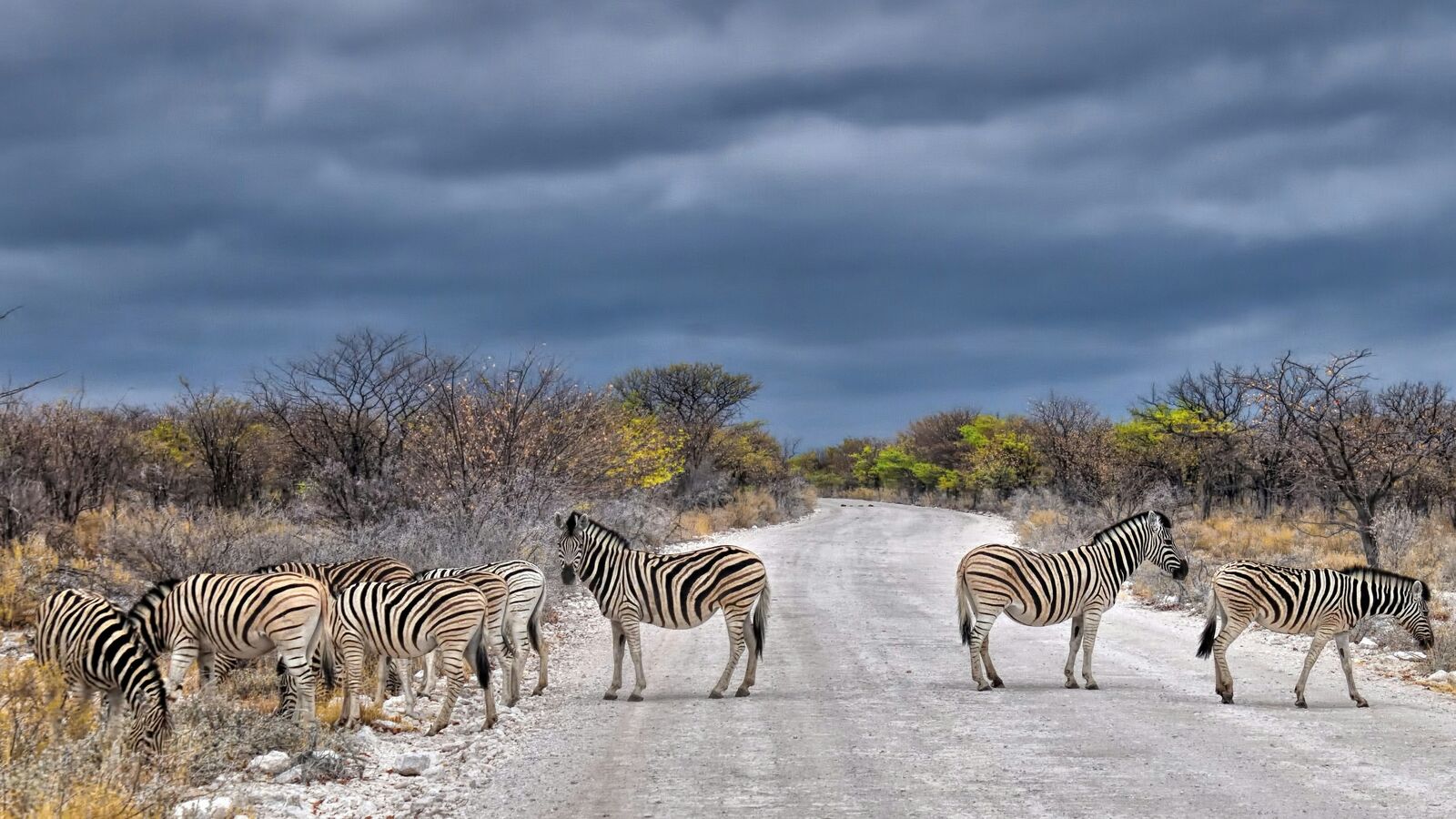
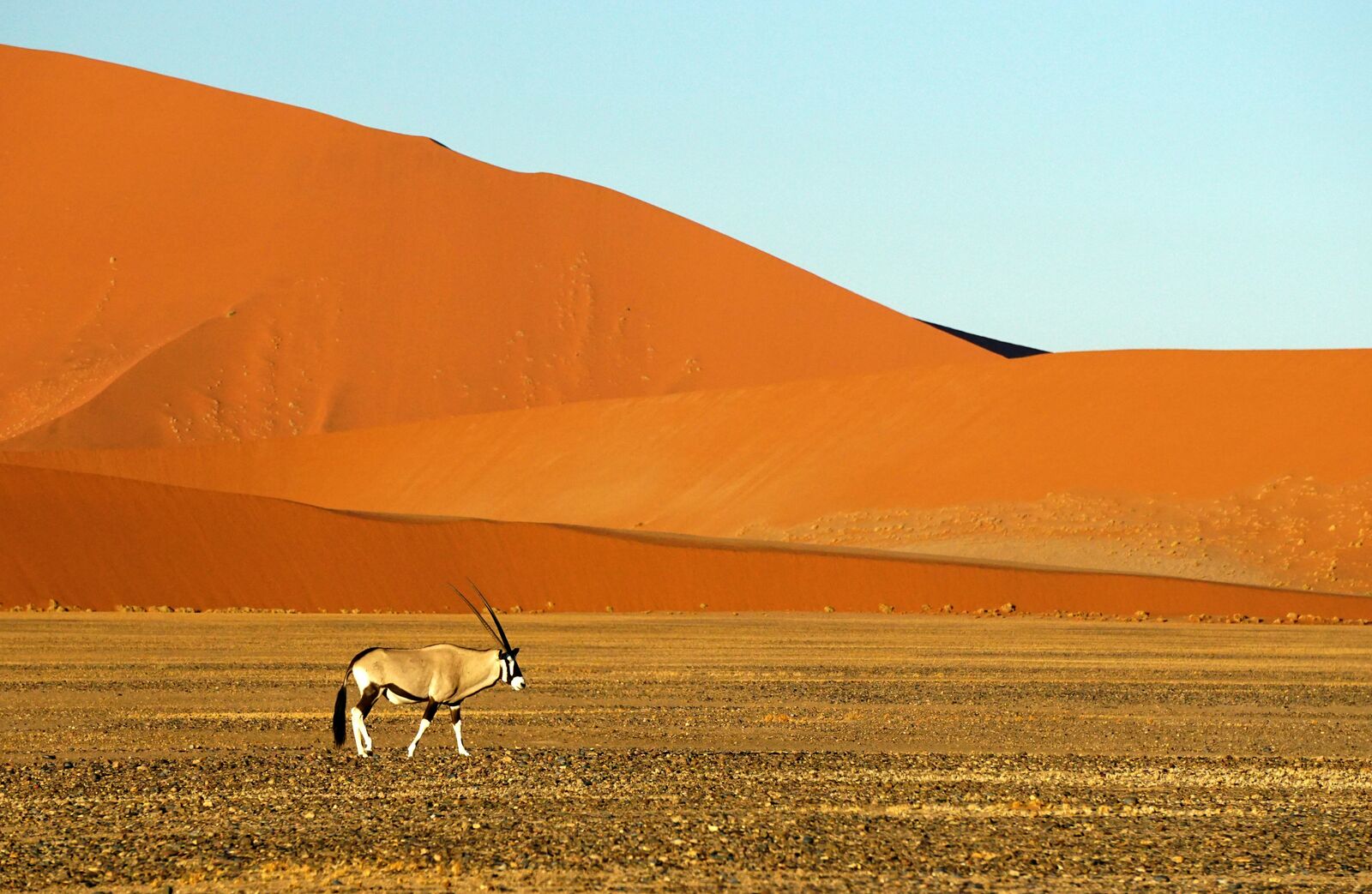
Scenic routes in Namibia
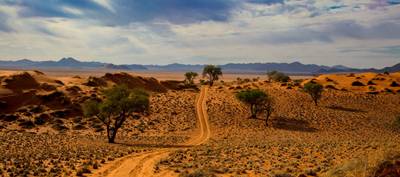
Interesting facts about Namibia
- The extensive unpaved road network is regularly smoothed by heavy graders to maintain drivable surfaces across the gravel plains.
- Road placement in the west is strictly bounded by moving dunefields that block vehicle access to the ocean.
- Central corridor towns developed precisely one day's overland travel apart during the early ox-wagon and railway transit eras.
Why take a road trip in Namibia?
Driving through Namibia is one of the best ways to experience its landscapes. Many of the most beautiful places are not accessible by public transport, which makes road trips the most flexible and rewarding way to explore.
The real value is not just in destinations, but in the journey itself — long empty roads, unexpected viewpoints, and small stops that don’t appear in guidebooks.
FAQ about scenic driving in Namibia
What is the best scenic drive in Namibia?
It depends on the region, but mountain and coastal routes are usually the most popular.
When is the best time to visit?
Spring to early autumn is generally the best season for road trips.
Are these routes beginner-friendly?
Many routes are easy to drive, but mountain roads may require more attention.