Scenic Driving Routes in Slovenia
Slovenia offers one of Europe’s most compact yet diverse scenic driving experiences, combining alpine mountains, lakes, caves, and short coastal access. Drivers can explore Lake Bled, Julian Alps, Triglav National Park, and coastal towns along the Adriatic Sea. The country allows rapid transitions between very different landscapes. Slovenia is ideal for short scenic road trips with high natural diversity.
Slovenia serves as a compact transit hub where Central Europe meets the Mediterranean, offering drivers rapidly changing scenery over short distances. Road trips move quickly from high alpine valleys down into forested hills and flat alluvial plains before terminating at a narrow strip of coastline. This dense mixture of landscapes means that a single day of driving connects completely different regional settings, moving along roads that follow clear glacial valleys, limestone ridges, and river paths.
Map of scenic routes in Slovenia
Click on a route line to open its detailed page
Historical context of Slovenia
The road layout reflects Slovenia's historical position as a transit corridor between the Holy Roman Empire, the Venetian Republic, and the Austro-Hungarian Empire. Early trade routes were built to transport goods from central European cities down to the Adriatic Sea. Mountain passes like Vršič were expanded during the First World War to supply military fronts, transforming steep mountain tracks into engineered paved roads. This long history of trade and cross-border movement created a highly interconnected network of regional roads that link small, historic towns settled along riverbanks and valley floors.
Geography of Slovenia
The physical landscape forces major roads into specific pathways dictated by the eastern tail of the Alps and vast limestone plateaus. In the north, the high peaks of the Julian Alps constrain vehicle traffic to deep glacial trenches and high mountain passes. Further south, the porous limestone geology creates a landscape filled with caves and sinking rivers, where engineers had to route asphalt around depressions and through dry basins. These physical barriers mean drivers experience winding climbs in the mountains and straight stretches across the flat lowlands.
Road conditions in Slovenia
The driving experience balances a well-developed national highway grid with intricate, narrow regional roads. Primary multi-lane routes connect major urban centers smoothly, running through broad valleys with clear signage and frequent service plazas. When drivers exit onto regional pathways, the asphalt narrows significantly to follow the natural contours of hillsides and rivers, requiring frequent speed adjustments for sharp corners. Signage remains clear across all regions, but driving in the mountain territories involves managing steady incline changes and numerous stone-lined tunnels.
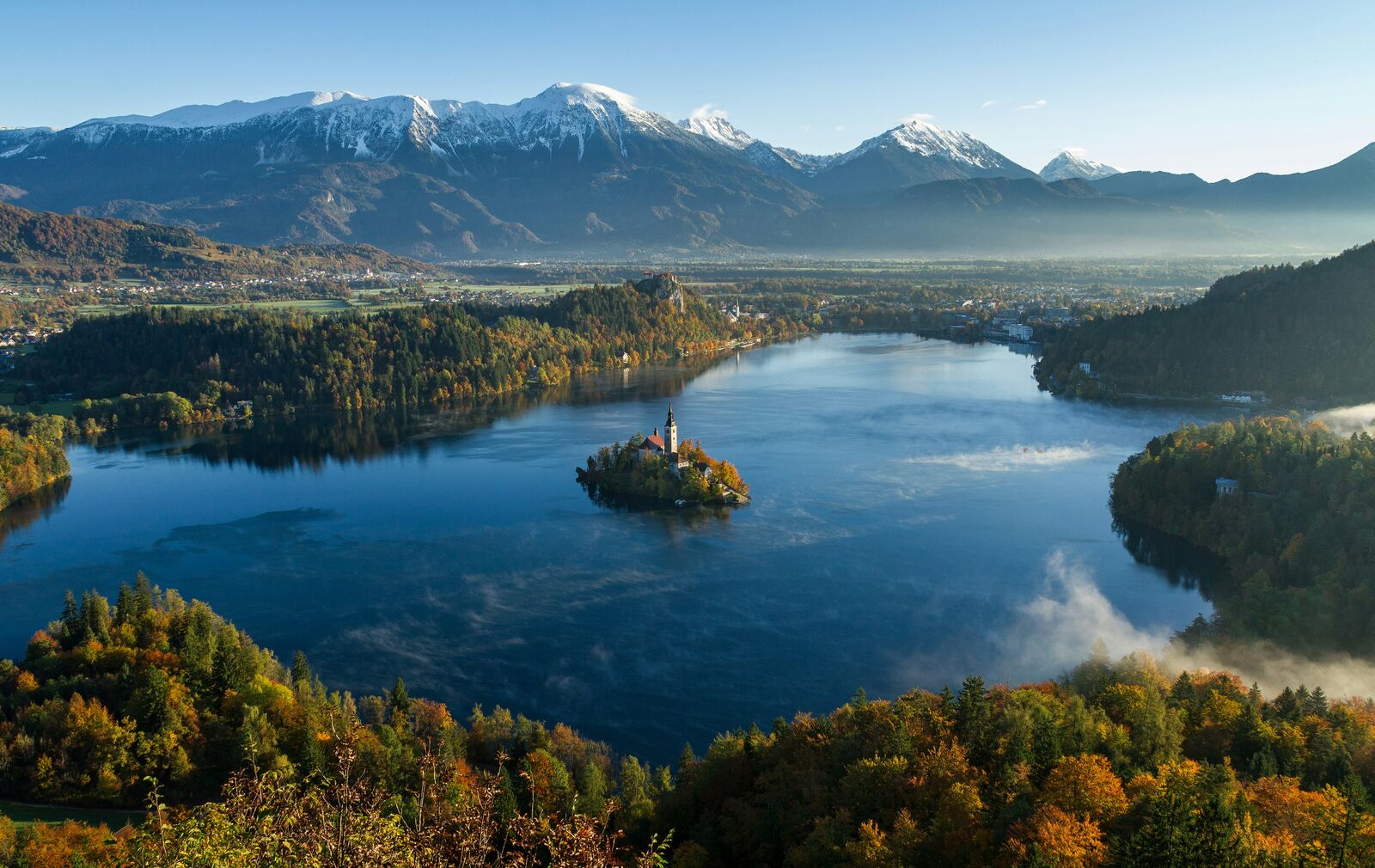
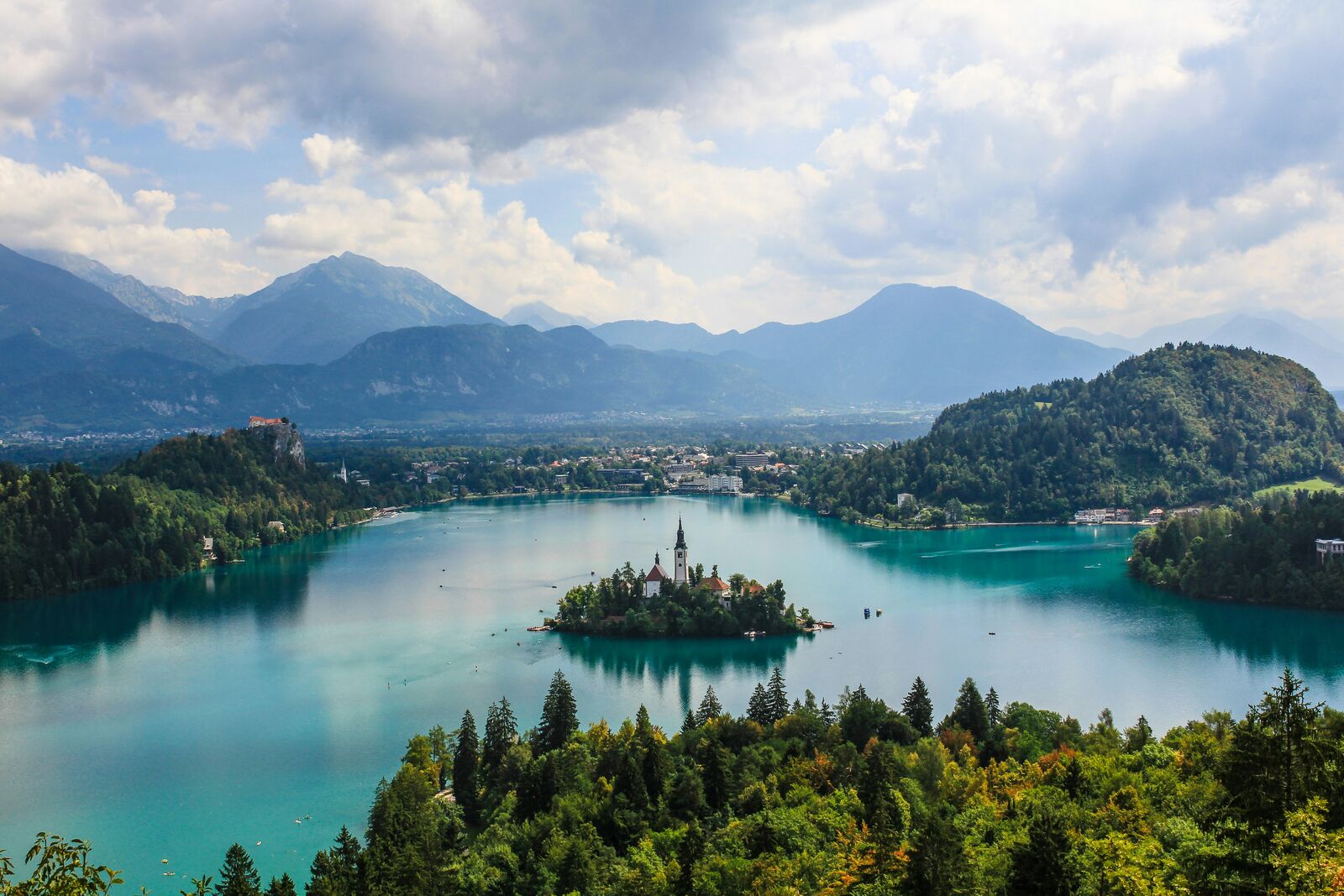
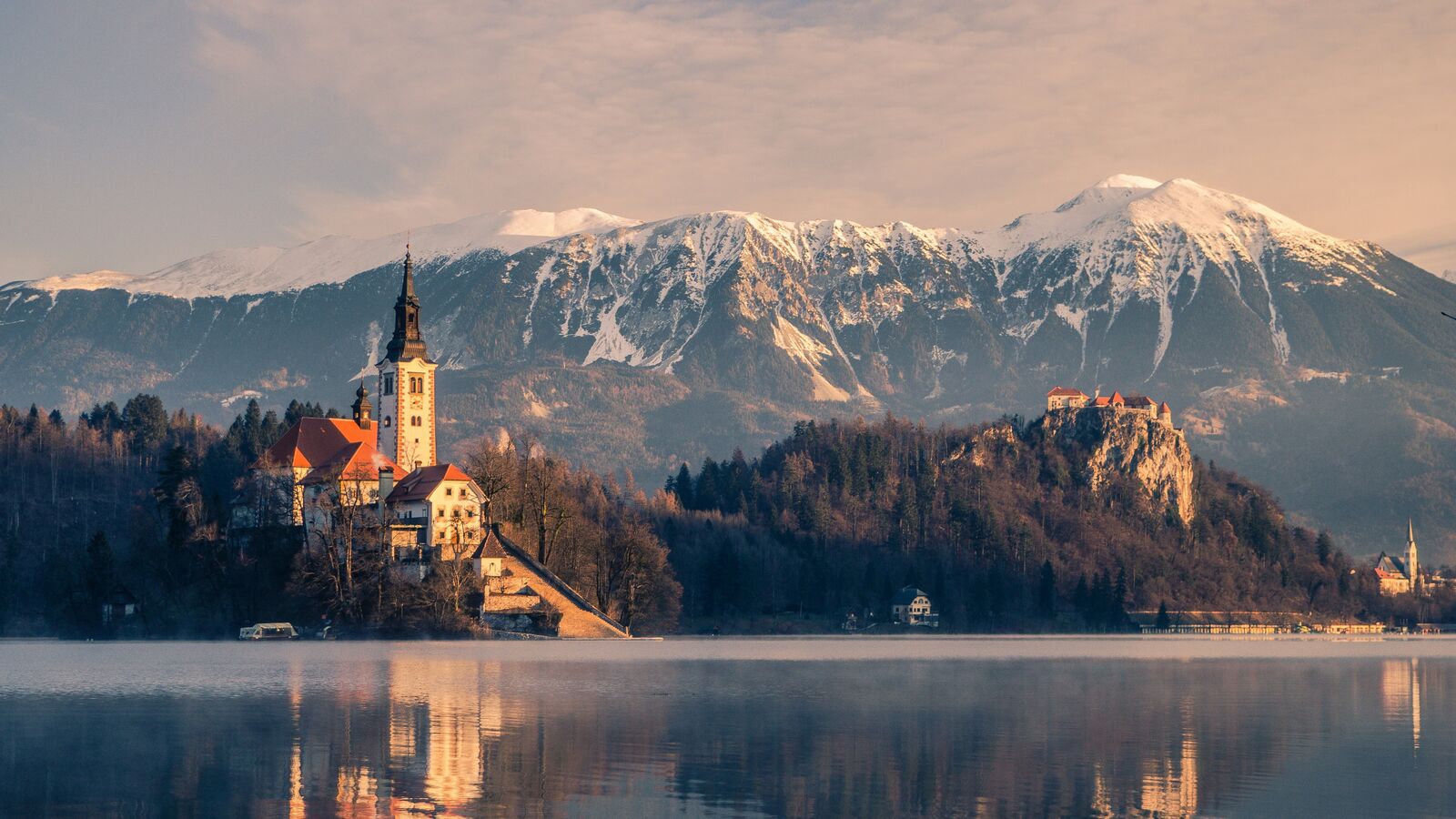
Scenic routes in Slovenia
Interesting facts about Slovenia
- The country's highest road pass was built by prisoners of war to transport military supplies across the Alps.
- Karst topography requires roads to curve around underground drainage networks rather than cutting directly through the terrain.
- Ancient Roman paths connecting Italy to the Danube basin established the layout for modern southwestern highways.
Why take a road trip in Slovenia?
Driving through Slovenia is one of the best ways to experience its landscapes. Many of the most beautiful places are not accessible by public transport, which makes road trips the most flexible and rewarding way to explore.
The real value is not just in destinations, but in the journey itself — long empty roads, unexpected viewpoints, and small stops that don’t appear in guidebooks.
FAQ about scenic driving in Slovenia
What is the best scenic drive in Slovenia?
It depends on the region, but mountain and coastal routes are usually the most popular.
When is the best time to visit?
Spring to early autumn is generally the best season for road trips.
Are these routes beginner-friendly?
Many routes are easy to drive, but mountain roads may require more attention.