Scenic Driving Routes in Nepal
Nepal offers extremely dramatic scenic driving routes through the Himalayas, deep valleys, terraced hillsides, and remote mountain regions. Roads are often carved into steep landscapes with constant elevation changes. Drivers can explore routes between Kathmandu and Pokhara, Himalayan foothill highways, and remote village roads leading toward Annapurna and other mountain ranges. Many journeys are challenging but visually spectacular. Nepal is ideal for adventurous mountain road trips focused on extreme geography and culture.
Nepal features a road trip landscape dominated by extreme vertical transitions, lifting drivers from the flat subtropical lowland plains of the Terai up through forested mid-hills into high alpine valleys. Driving here is defined by these steep elevation changes and linear routes that track deep river cuts. The network transitions from wide southern plains roads to narrow shelves carved directly into mountain walls, connecting distinct ecological zones over relatively short linear distances.
Map of scenic routes in Nepal
Click on a route line to open its detailed page
Historical context of Nepal
For centuries, Nepal relied on footpaths and pack animals to move goods over trade routes linking India and Tibet. Modern road construction began in the mid-twentieth century, largely financed by foreign aid packages from neighboring nations seeking regional influence. Engineers built roads to connect the isolated capital basin of Kathmandu with the plains and western valleys. Because these corridors overlay ancient pedestrian trading trails, modern vehicular routes still pass directly through historic riverside trade hubs and hillside market towns.
Geography of Nepal
The collision of tectonic plates created three parallel geographic zones: the southern plains, the central hills, and the high northern mountains. Rivers fed by glacial melt cut deep, north-south valleys through these ridges, forcing road builders to follow river banks or construct extensive suspension bridges. The steep gradient of the terrain limits road placement to narrow ledges, where heavy seasonal rains trigger mudslides that alter road surfaces. High altitudes in the north restrict winter crossing options over mountain passes.
Road conditions in Nepal
Driving conditions vary across the three main geographic zones. The southern highways are relatively flat and straight, while the central and northern routes consist almost entirely of continuous switchbacks, single-lane ledges, and steep inclines. Pavement quality changes quickly from smooth asphalt to unpaved dirt tracks affected by water runoff. Outside major valley centers, service stations and mechanical support are sparse, requiring drivers to navigate long stretches independently.
Scenic routes in Nepal
Mixed scenic routes
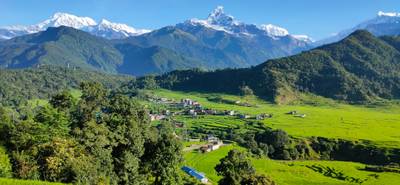
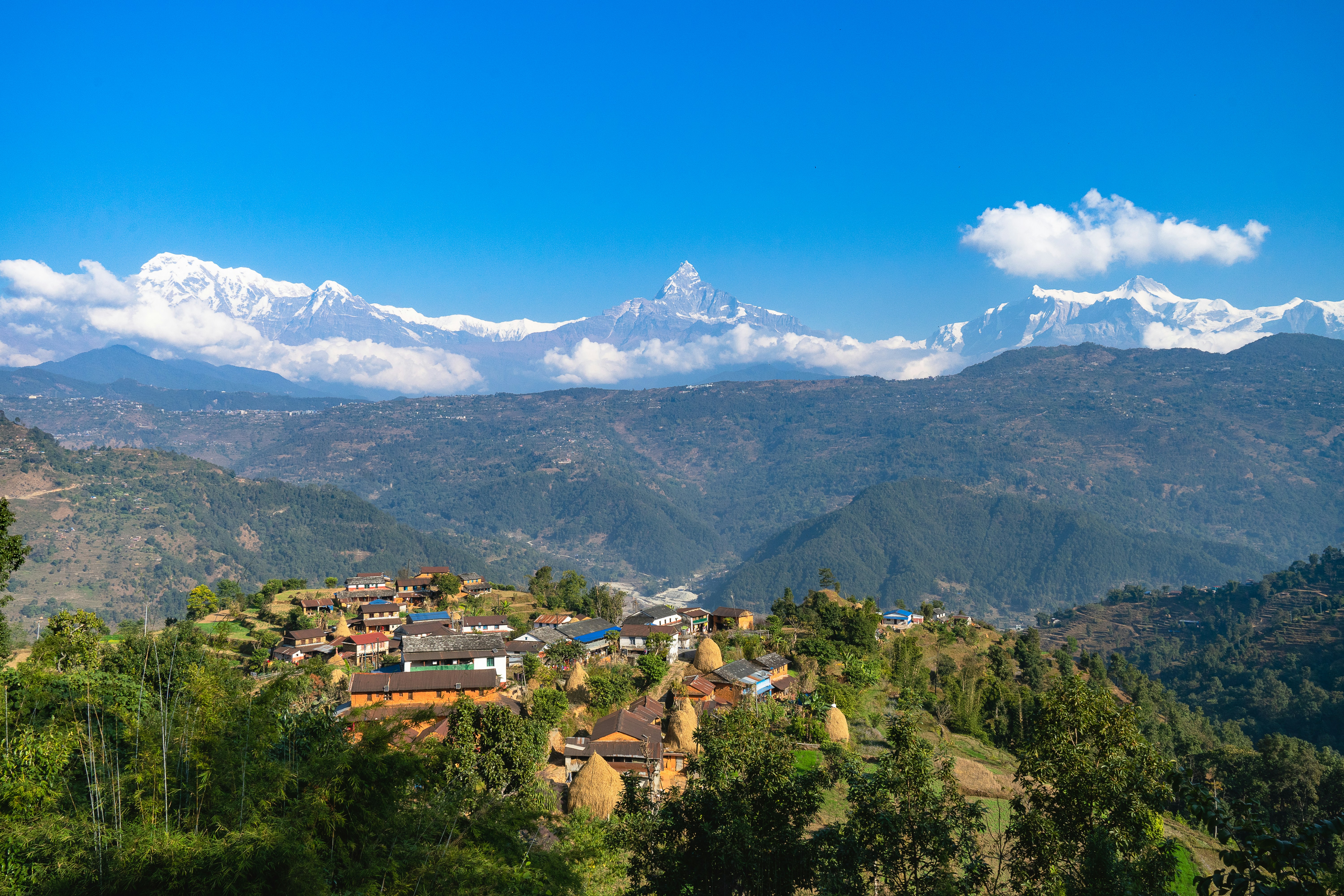
Kathmandu–Pokhara Himalayan Scenic Drive
Mountain highway following river valleys between Nepal’s two most popular travel hubs
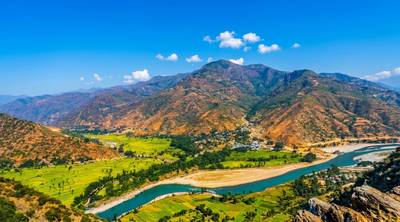
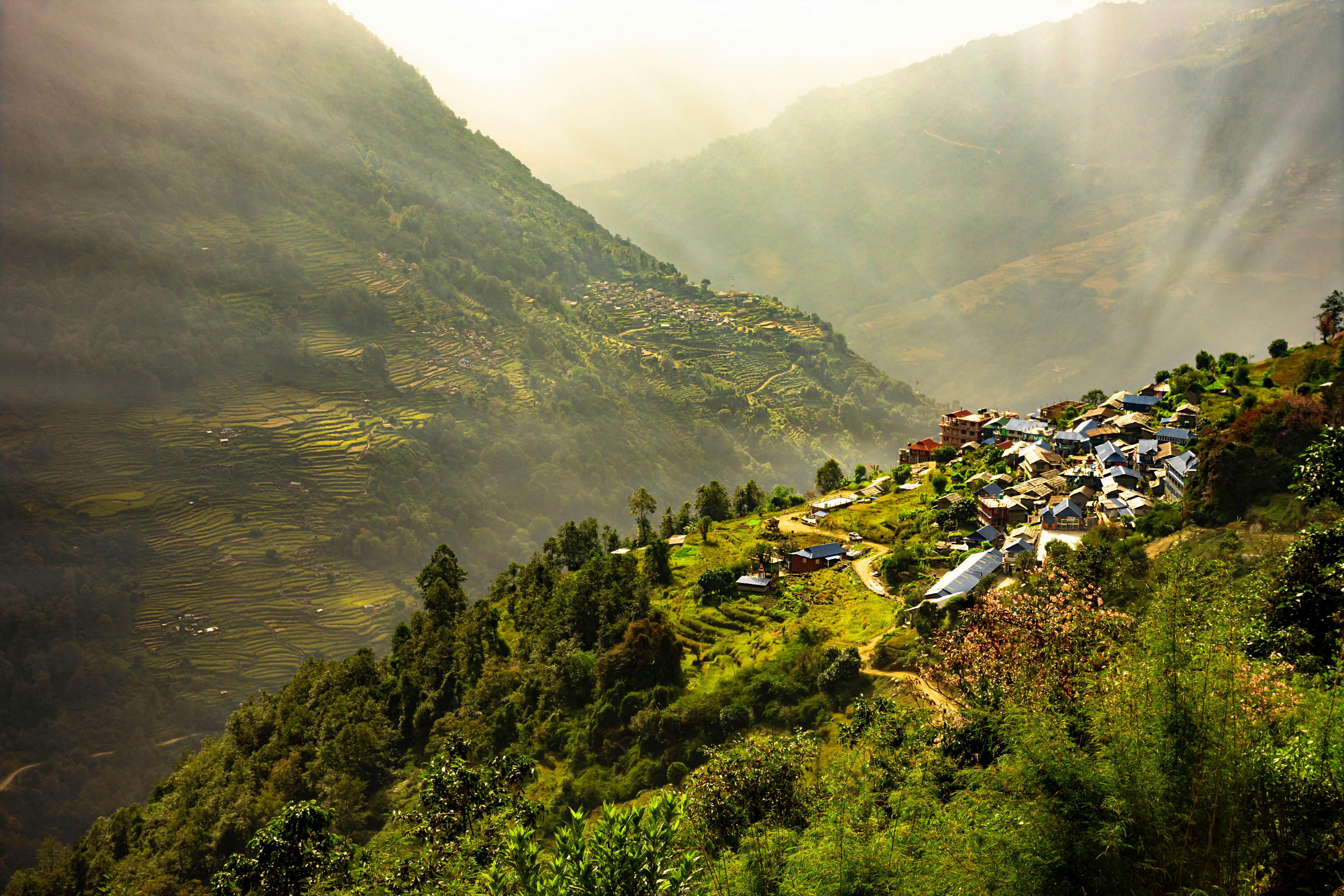
Kathmandu to Ramechhap (Manthali Airport) Epic Himalayan Scenic Transfer Drive Experience
Mountain transfer drive through Nepal’s hills connecting Kathmandu with Ramechhap airport via winding Himalayan roads
Interesting facts about Nepal
- Most mountain highways follow ancient walking paths that merchants used to carry salt between Tibet and India.
- Road builders must design routes that climb from one hundred meters to over three thousand meters of elevation.
- The heavy summer monsoon season alters unpaved mountain roads annually, requiring extensive seasonal grading for vehicle traffic.
Why take a road trip in Nepal?
Driving through Nepal is one of the best ways to experience its landscapes. Many of the most beautiful places are not accessible by public transport, which makes road trips the most flexible and rewarding way to explore.
The real value is not just in destinations, but in the journey itself — long empty roads, unexpected viewpoints, and small stops that don’t appear in guidebooks.
FAQ about scenic driving in Nepal
What is the best scenic drive in Nepal?
It depends on the region, but mountain and coastal routes are usually the most popular.
When is the best time to visit?
Spring to early autumn is generally the best season for road trips.
Are these routes beginner-friendly?
Many routes are easy to drive, but mountain roads may require more attention.