Scenic Driving Routes in Albania
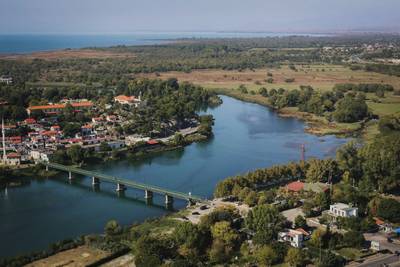
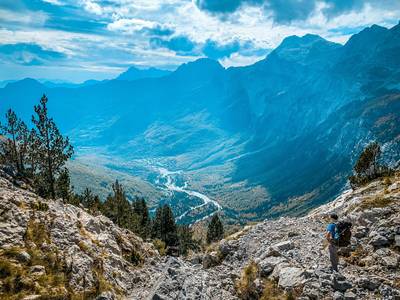
Albania offers a surprisingly diverse scenic driving experience in the Balkans, with rugged mountains, Adriatic and Ionian coastlines, alpine valleys, and remote rural roads. The country remains relatively undiscovered, which makes many routes feel wild and uncrowded. Drivers can explore coastal highways along the Albanian Riviera, winding mountain passes in the Accursed Mountains, and quiet countryside roads connecting traditional villages. The contrast between sea and mountains is especially striking. Albania is ideal for adventurous road trips combining coastline, mountains, and authentic rural landscapes.
Albania presents an engaging destination for motorists due to the sharp transition between its Mediterranean coastline and its rugged mountainous interior. Driving through the country means navigating a network that links isolated highland valleys, deep river canyons, and coastal plains over relatively short distances. The variety of the landscape ensures that a single day of travel shifts from sea-level maritime roads to high limestone passes, making the physical journey highly varied for anyone behind the wheel.
Map of scenic routes in Albania
Click on a route line to open its detailed page
Historical context of Albania
For much of the twentieth century, political isolation and a ban on private car ownership meant that Albania built very few passenger roads. Historically, Ottoman trade routes followed natural river channels to connect old market towns like Gjirokastër and Berat. When the country opened up in the 1990s, planners began paving over these old caravan tracks and cutting new passages through the mountains to link remote northern villages. This history explains why drivers today experience a mix of modern highways and old, winding mountain paths.
Geography of Albania
The northern territory is dominated by high mountain ridges that complicate east-west travel and create self-contained river basins. Along the southern coast, the mountains run parallel to the sea, forcing the main road to climb over high points like the Llogara Pass at over one thousand meters. This topography means that routes must follow the natural curves of the valleys and cliff faces, directly influencing where roads could be built and increasing the number of sharp turns and steep climbs.
Road conditions in Albania
The driving experience changes markedly between the flat coastal plains and the interior highlands. Major national routes connecting large towns feature smooth asphalt, clear lane markings, and standard intersections. In contrast, the roads through the rural interior are narrow, rely heavily on concrete retaining walls, and closely follow the uneven mountain terrain. The availability of service stations and roadside amenities is high along main corridors but decreases when traveling into the remote mountain regions.
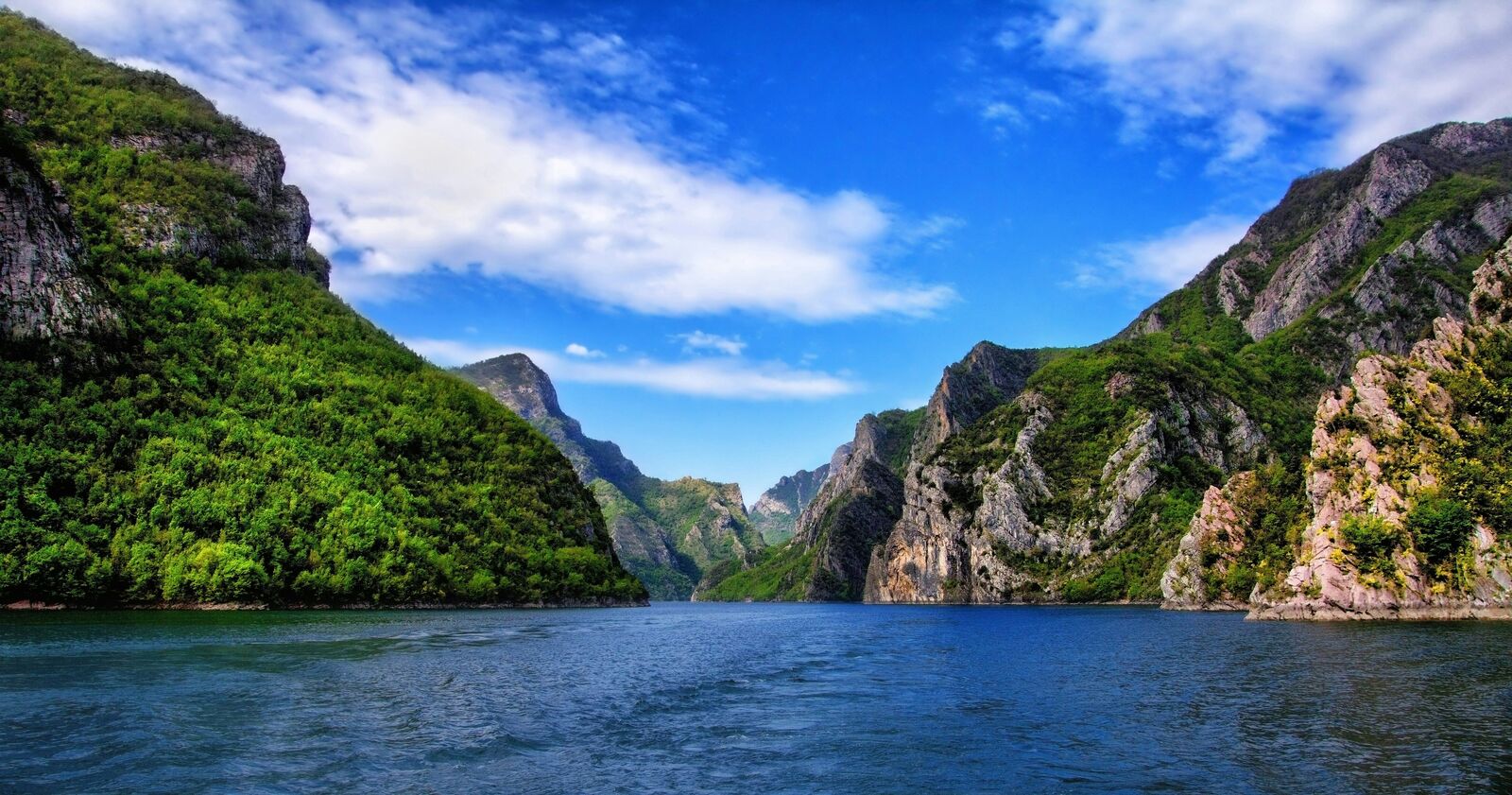
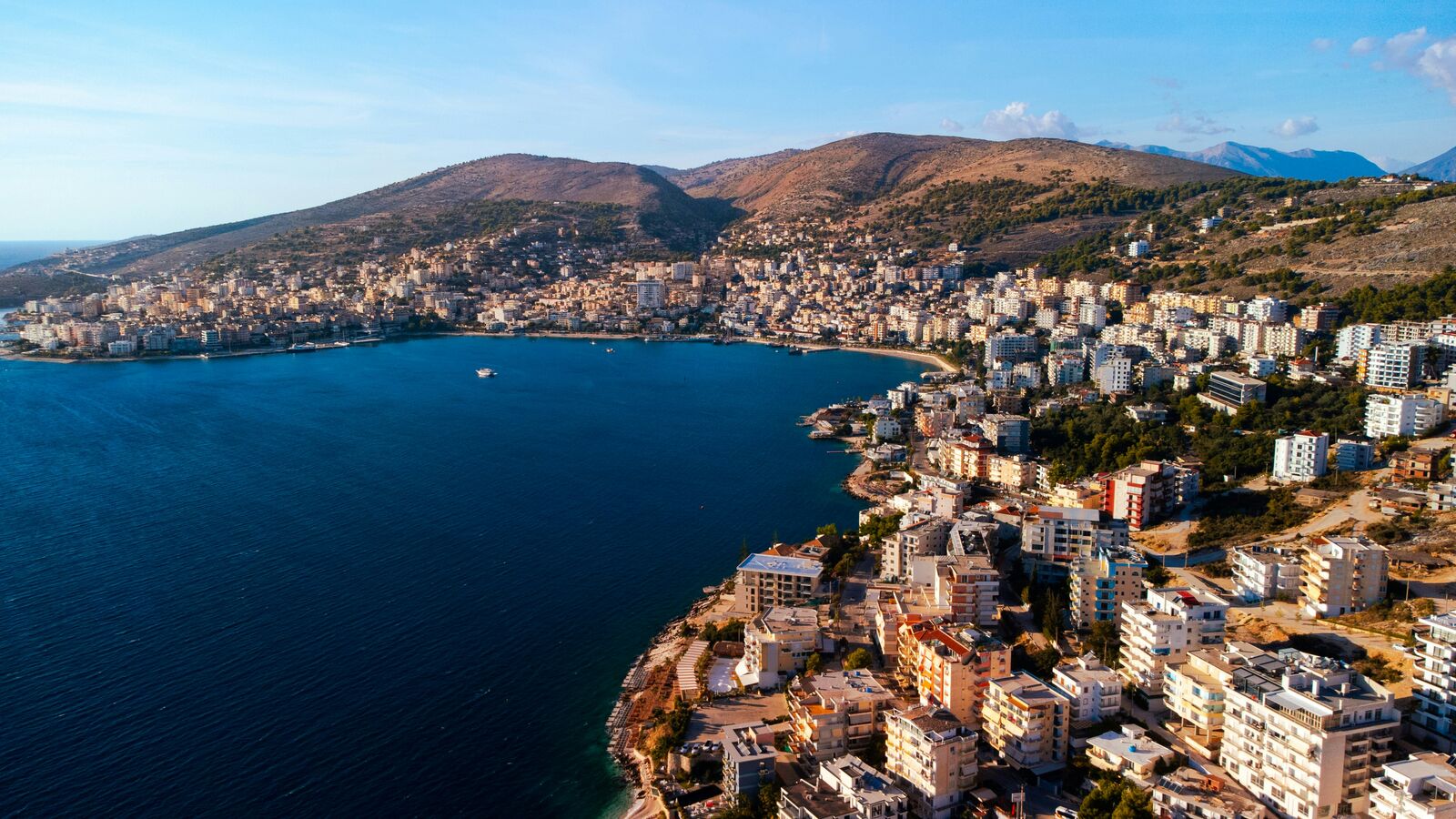
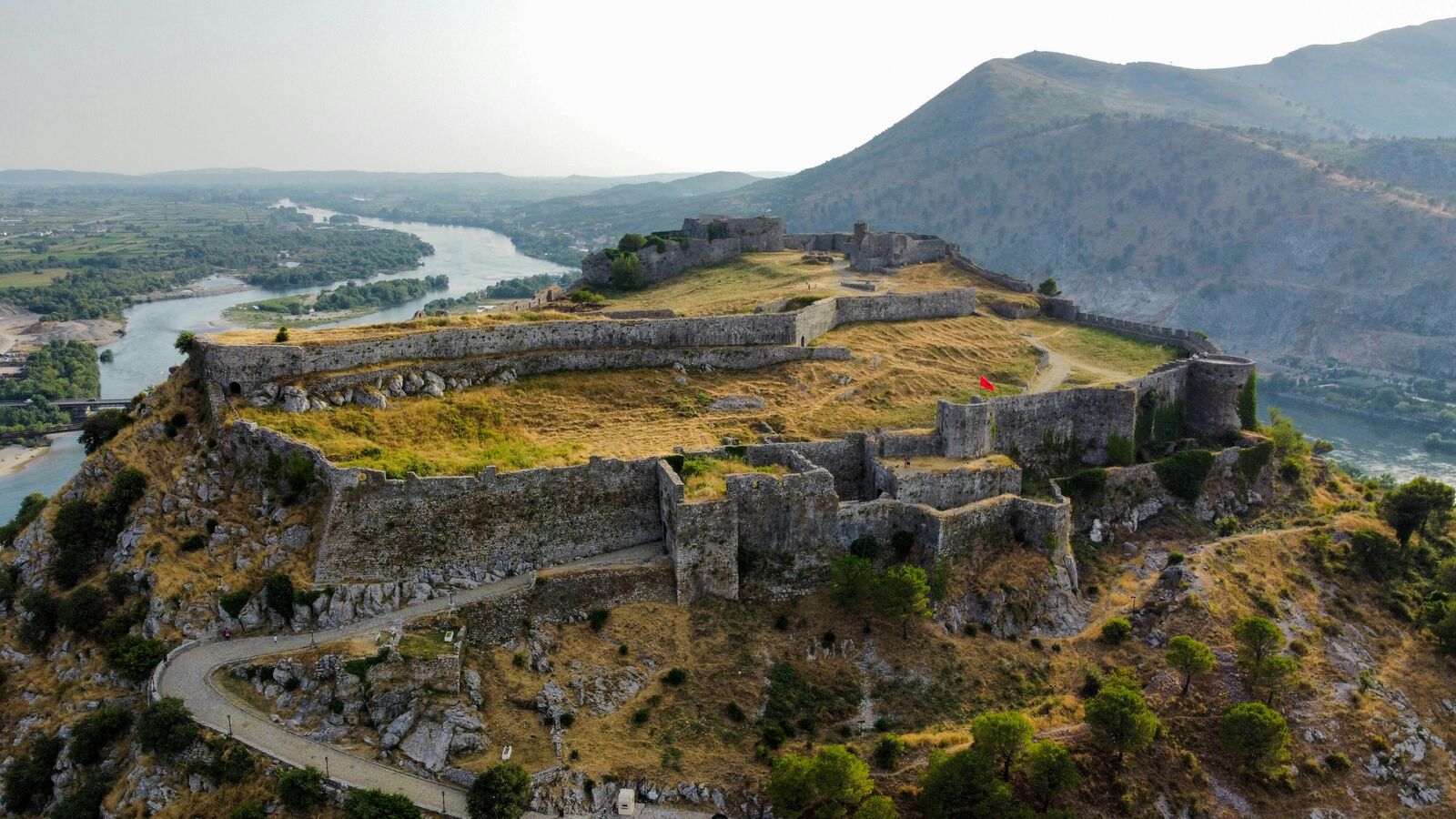
Scenic routes in Albania
Interesting facts about Albania
- A total ban on private cars until 1991 means most passenger road infrastructure is less than 35 years old.
- The southern coastal highway forces drivers to climb from sea level to over one thousand meters in a few miles.
- Several major modern highways are built directly on top of the ancient Roman trade route known as Via Egnatia.
Why take a road trip in Albania?
Driving through Albania is one of the best ways to experience its landscapes. Many of the most beautiful places are not accessible by public transport, which makes road trips the most flexible and rewarding way to explore.
The real value is not just in destinations, but in the journey itself — long empty roads, unexpected viewpoints, and small stops that don’t appear in guidebooks.
FAQ about scenic driving in Albania
What is the best scenic drive in Albania?
It depends on the region, but mountain and coastal routes are usually the most popular.
When is the best time to visit?
Spring to early autumn is generally the best season for road trips.
Are these routes beginner-friendly?
Many routes are easy to drive, but mountain roads may require more attention.