Scenic Driving Routes in Mongolia
Mongolia offers one of the most remote and open road trip experiences in the world, with vast steppes, deserts, and almost no formal road infrastructure outside main routes. Drivers can explore the Gobi Desert, endless grasslands, and remote nomadic regions. Off-road travel is often required. Mongolia is ideal for extreme adventure and wilderness exploration.
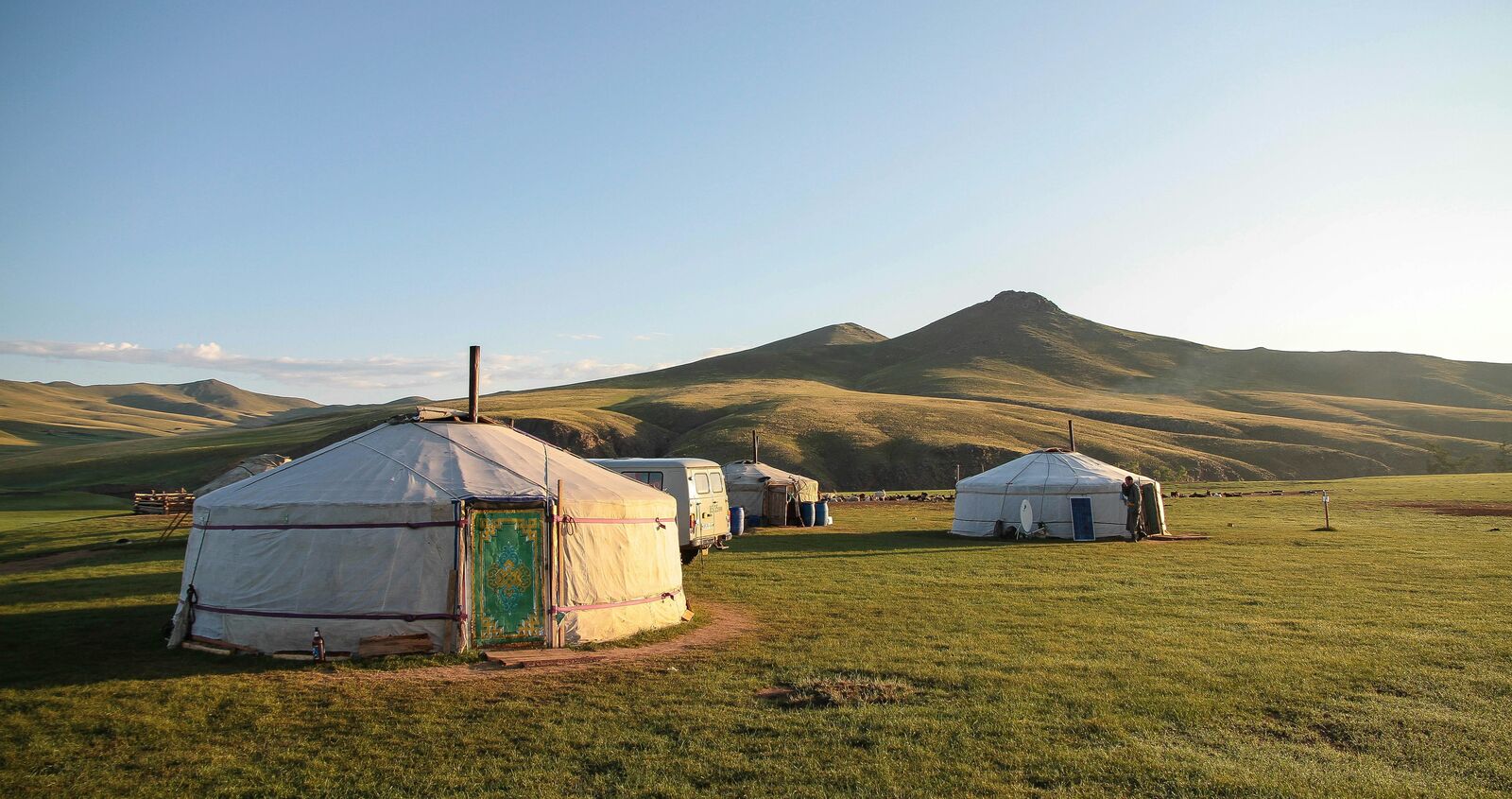
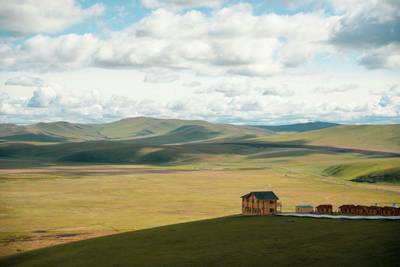
Mongolia presents an exceptional driving environment defined by expansive plains, high-altitude basins, and a lack of paved infrastructure. Road trips here shift from the northern larch forests and alpine lakes near Khövsgöl to the arid gravel plains of the southern Gobi. Because fenced boundaries are rare, vehicular movement often follows parallel dirt tracks across the open country, where navigating requires following topographical markers rather than standard signs.
Map of scenic routes in Mongolia
Click on a route line to open its detailed page
Historical context of Mongolia
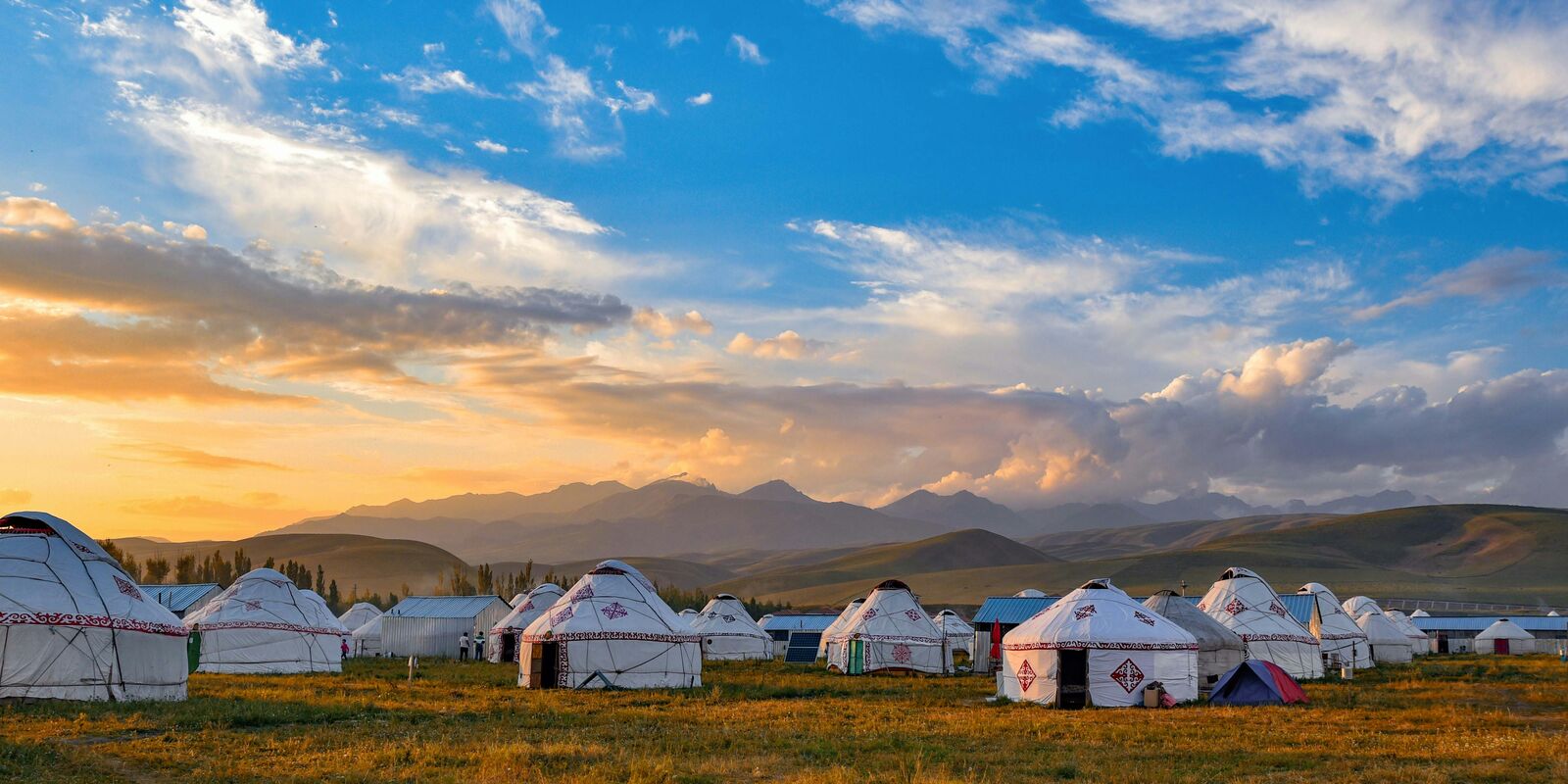
The historical reliance on mobile pastoralism meant permanent towns did not develop along fixed trading corridors. Traditional movement followed seasonal grazing patterns across the grasslands rather than established highway routes. During the twentieth century, industrial links with the Soviet Union established the primary north-south transport spine connecting Russia to China through Ulaanbaatar. Consequently, modern paved roads radiate slowly from this central axis, leaving regional transit dependent on unpaved trails forged by decades of community movement between rural settlements.
Geography of Mongolia
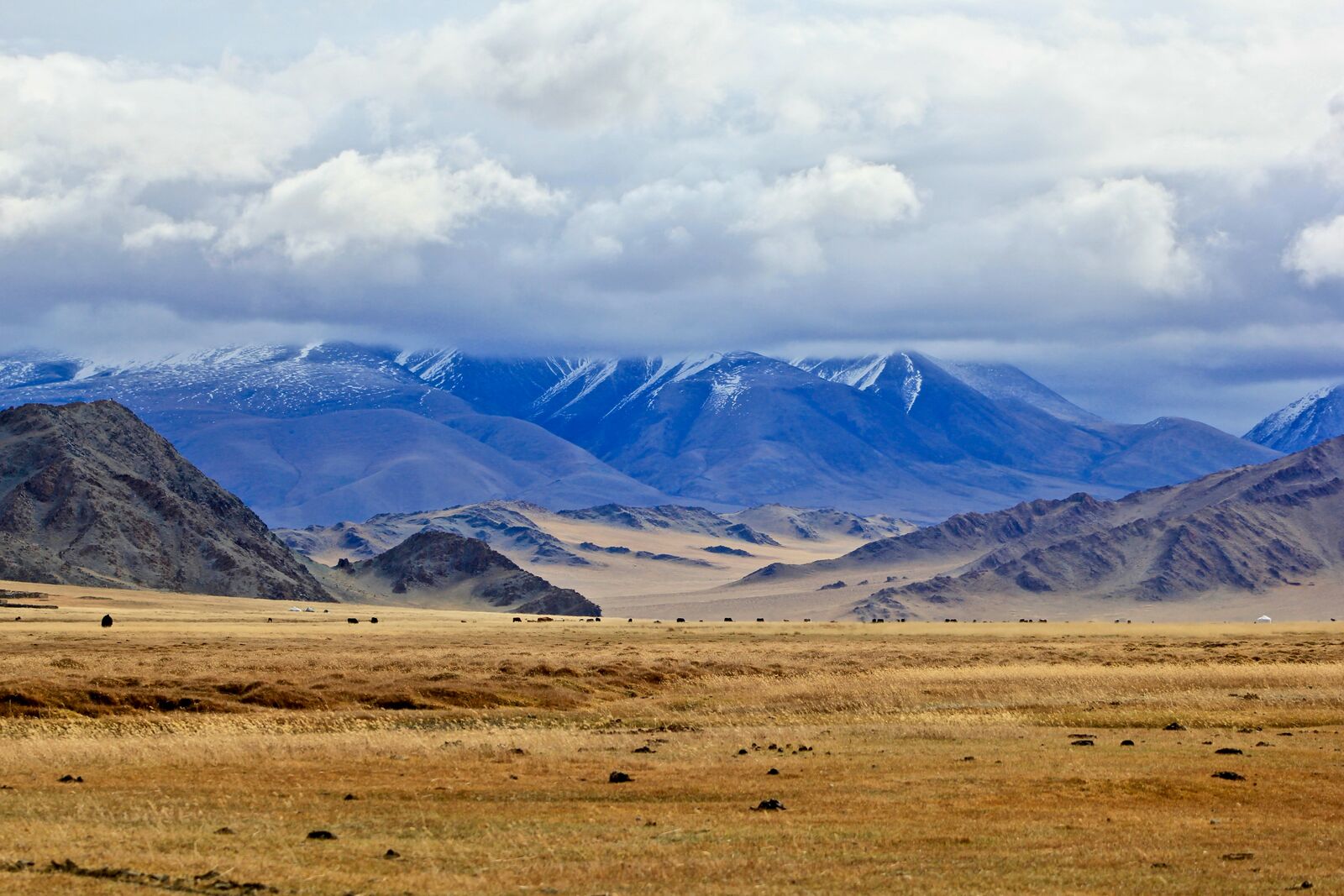
The physical landscape is characterized by high plateau elevations, bordered by the Altai Mountains in the west and the Khangai range in the center. These mountains feed several interior river systems, creating marshy basins that require drivers to seek higher, drier ground. The lack of natural forest cover across the central steppe allows vehicles to move laterally across the landscape, but the underlying gravel and loose clay mean routes change position depending on seasonal erosion and summer rain accumulation.
Road conditions in Mongolia
Driving here transitions between a developing network of two-lane asphalt highways and vast networks of unpaved dirt tracks. Main roads connect major provincial centers, but traveling into the interior involves crossing open terrain where multiple tracks run parallel across the valley floors. Vehicle movement is slow across these natural surfaces due to corrugation, exposed bedrock, and river crossings that lack bridges. Fuel and mechanical assistance are concentrated primarily in provincial capital towns.
Scenic routes in Mongolia
Interesting facts about Mongolia
- The low population density means drivers can travel for hours without encountering permanent structures or paved intersections.
- Unpaved tracks across the grass continuously shift as drivers create new paths to avoid mud and deep ruts.
- The central north-south highway follows the historic migration and trade route connecting the Siberian forest to the steppe.
Why take a road trip in Mongolia?
Driving through Mongolia is one of the best ways to experience its landscapes. Many of the most beautiful places are not accessible by public transport, which makes road trips the most flexible and rewarding way to explore.
The real value is not just in destinations, but in the journey itself — long empty roads, unexpected viewpoints, and small stops that don’t appear in guidebooks.
FAQ about scenic driving in Mongolia
What is the best scenic drive in Mongolia?
It depends on the region, but mountain and coastal routes are usually the most popular.
When is the best time to visit?
Spring to early autumn is generally the best season for road trips.
Are these routes beginner-friendly?
Many routes are easy to drive, but mountain roads may require more attention.