Scenic Driving Routes in Thailand
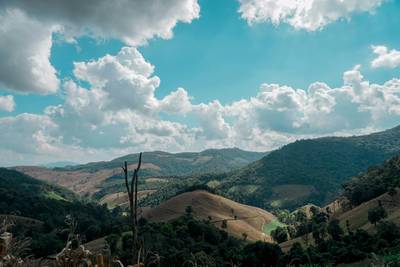
Thailand offers tropical scenic driving through mountains, jungles, rice fields, and coastal highways. The country combines strong infrastructure with highly diverse landscapes. Drivers can explore northern mountain roads near Chiang Mai, southern coastal routes, and rural countryside filled with rice terraces and forests. Each region has a distinct character. Thailand is ideal for warm-weather scenic road trips with nature and cultural variety.
Thailand features a diverse driving canvas shaped by flat alluvial plains, forested northern ridges, and narrow southern peninsulas. Road trips here transition from the wide, industrial highway loops of the central valley to steep, curving mountain routes near the borders. Driving through these regions highlights distinct landscapes, from rural agricultural lowlands and large freshwater wetlands to winding coastal roads that trace the Gulf of Thailand and the Andaman Sea.
Map of scenic routes in Thailand
Click on a route line to open its detailed page
Historical context of Thailand
Historically, Thailand relied primarily on rivers and canals for transport and settlement, causing older towns to cluster along waterways. Road construction accelerated significantly mid-century to connect isolated agricultural regions with central ports and to establish administrative control over remote border regions. This infrastructure push laid down the foundations for modern asphalt loops in the north. Today, these paved transit corridors follow old trade paths, linking historical temple towns and regional markets across formerly dense jungle terrain.
Geography of Thailand
The northern terrain consists of parallel mountain ranges running north to south, which forces major roads to follow valley floors or climb steep ridges using multi-tier switchbacks. In contrast, the central region is a low-lying basin where roads run parallel to major rivers and irrigation canals on elevated embankments to avoid seasonal flooding. In the narrow south, the Tenasserim range restricts road development to thin coastal strips, resulting in routes that track tightly between hills and the ocean.
Road conditions in Thailand
The driving experience varies between multi-lane national highways and undulating rural routes. Central corridors feature wide, concrete surfaces with frequent service areas, where drivers share space with heavy commercial transport. Mountainous sectors feature narrower, asphalt surfaces that conform to the natural terrain, requiring steady navigation of continuous curves and sharp elevation changes. While urban perimeters experience high traffic volume, secondary rural roads offer open conditions with clear signage and consistent roadside infrastructure.

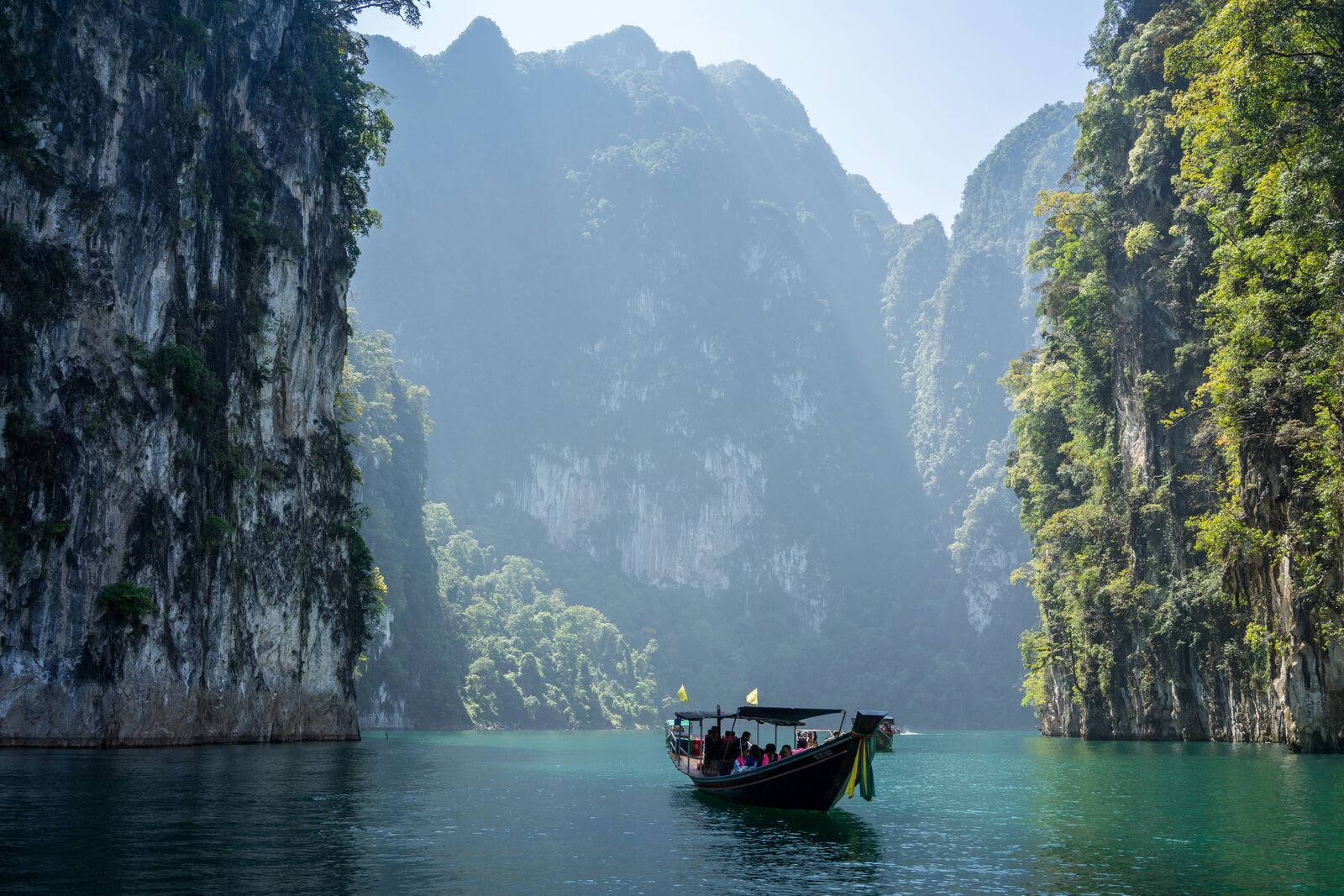
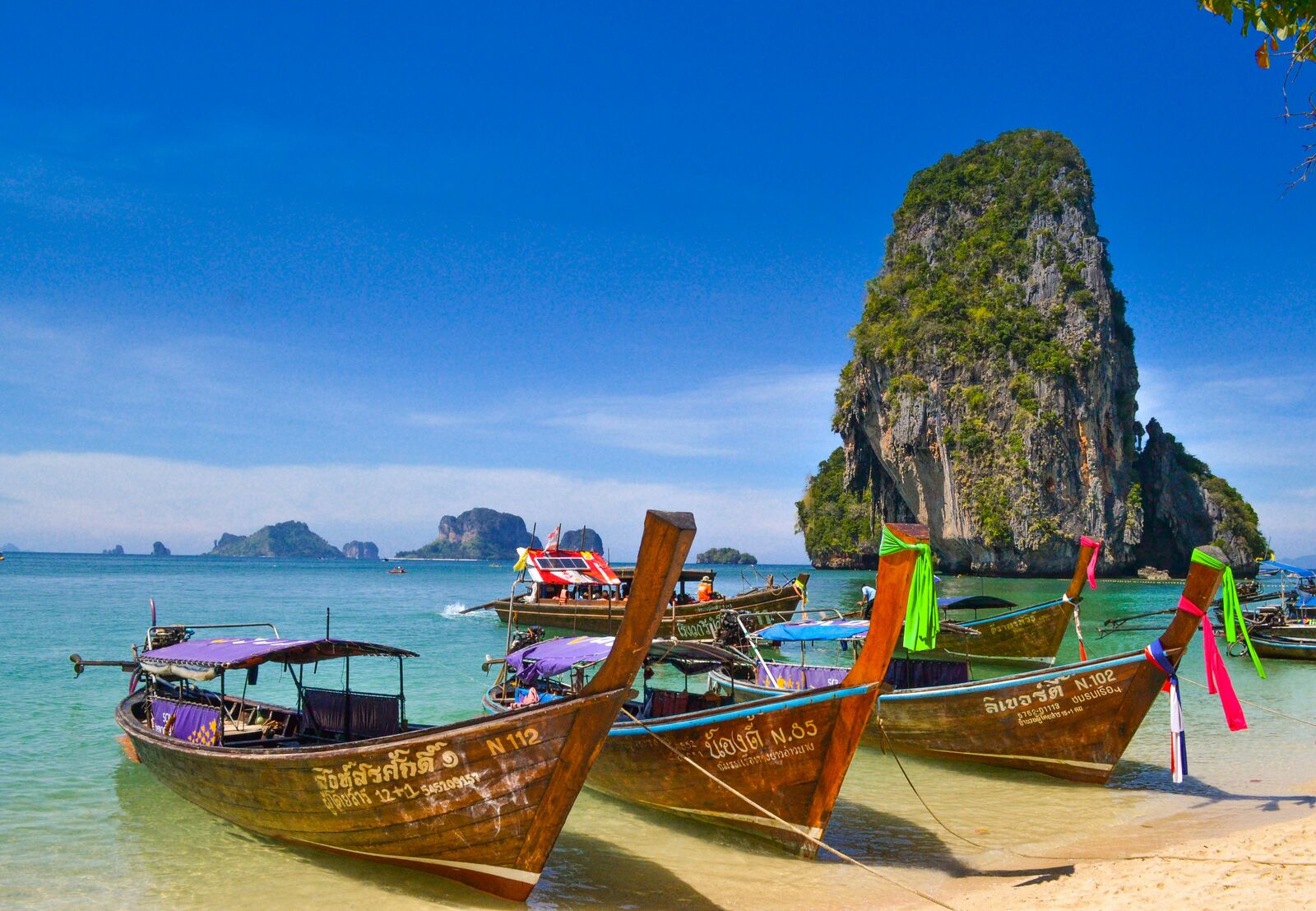
Scenic routes in Thailand
Mixed scenic routes
Interesting facts about Thailand
- Many northern mountain roads follow paths cleared during the mid-twentieth century for regional defense and border monitoring.
- Central plain highways are constructed on raised earth berms to keep vehicle traffic moving above seasonal floodwaters.
- The southern highway network links both coastlines, allowing drivers to cross from east to west in a single afternoon.
Why take a road trip in Thailand?
Driving through Thailand is one of the best ways to experience its landscapes. Many of the most beautiful places are not accessible by public transport, which makes road trips the most flexible and rewarding way to explore.
The real value is not just in destinations, but in the journey itself — long empty roads, unexpected viewpoints, and small stops that don’t appear in guidebooks.
FAQ about scenic driving in Thailand
What is the best scenic drive in Thailand?
It depends on the region, but mountain and coastal routes are usually the most popular.
When is the best time to visit?
Spring to early autumn is generally the best season for road trips.
Are these routes beginner-friendly?
Many routes are easy to drive, but mountain roads may require more attention.