Scenic Driving Routes in Lithuania
Lithuania offers calm scenic driving through forests, lakes, Baltic coastline, and rural countryside. The landscape is gentle and peaceful. Drivers can explore the Curonian Spit, Baltic coastal roads, forest regions, and historic towns. The environment is quiet and natural. Lithuania is ideal for relaxed nature-oriented road trips.
Lithuania offers an accessible low-elevation road trip environment across the flat plains and rolling hills of the Baltic region. Driving routes travel through extensive pine forests, around thousands of glacial lakes, and along a low-lying sandy coastline. The network connects compact historical cities via straightforward highways, allowing drivers to move easily between dense woodland corridors and open agrarian valleys over short distances.
Map of scenic routes in Lithuania
Click on a route line to open its detailed page
Historical context of Lithuania
The layout of modern roads reflects ancient river trade corridors and nineteenth-century imperial railway alignments that determined where settlements expanded. Decades of Soviet-era centralized planning prioritized industrial transit corridors, resulting in high-capacity dual carriageways between major urban hubs like Vilnius, Kaunas, and the maritime port of Klaipėda. Rural roads evolved from older agrarian tracks, leaving a dense network of secondary routes that wind gently between collective farm layouts, historical estate villages, and protected state forest reserves.
Geography of Lithuania
The physical terrain is characterized by low plains shaped entirely by past glacial activity, leaving an undulating topography with zero mountainous barriers. Roads face few vertical challenges, instead navigating around complex lake systems in the east and swampy lowlands in the western Delta region. The most distinct route follows the Curonian Spit, a narrow, ninety-eight-kilometer sand peninsula where the road is bounded tightly by coastal dunes on one side and the lagoon on the other.
Road conditions in Lithuania
Driving conditions across the country are characterized by flat, straight trajectories and high-quality asphalt on all primary intercity routes. The transition to secondary rural roads introduces narrower lanes and well-maintained gravel surfaces that wind through forested zones. Service infrastructure is highly concentrated along the main expressways, while regional routes offer lower traffic density, clear sightlines, and straightforward navigation through unfragmented natural landscapes.
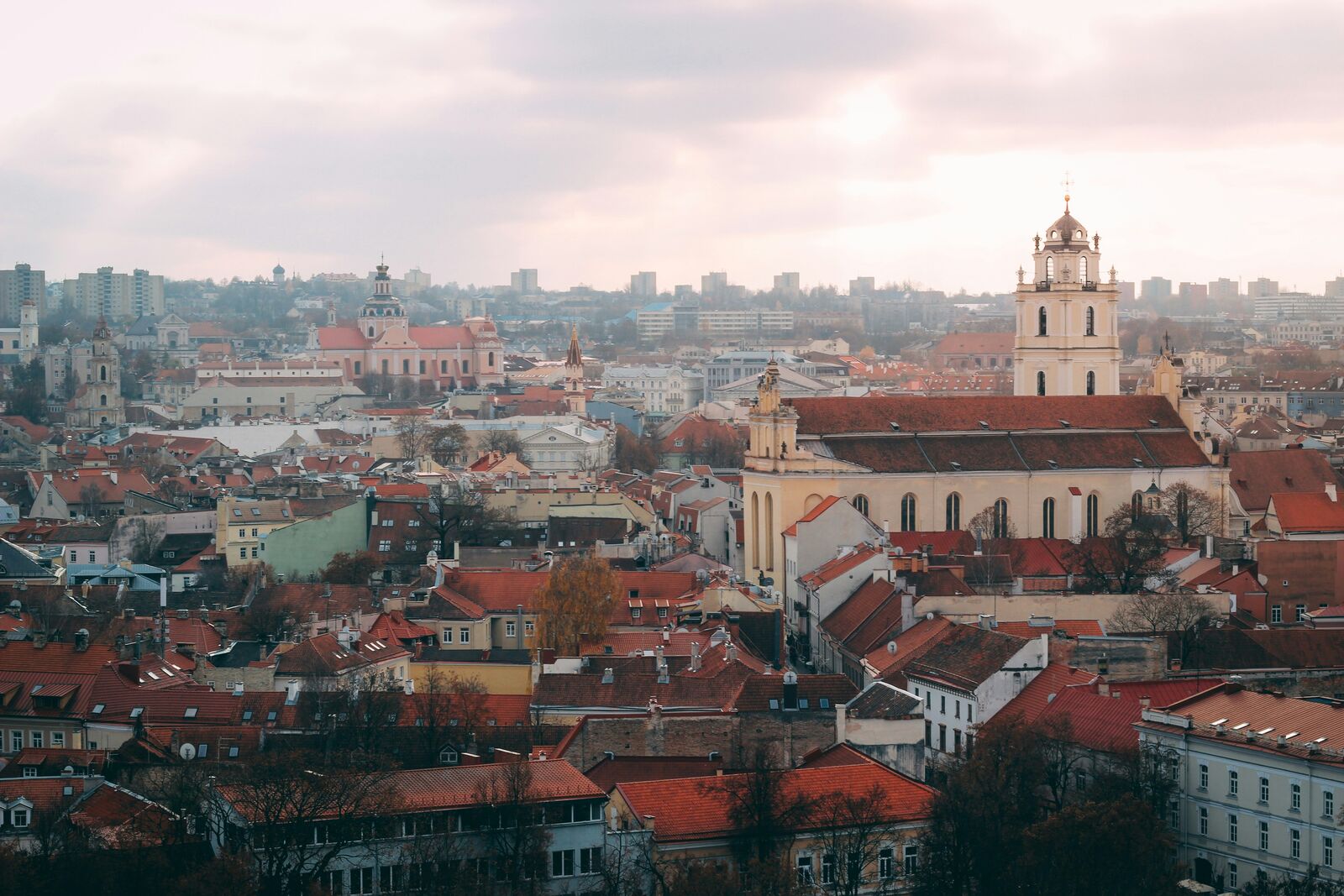
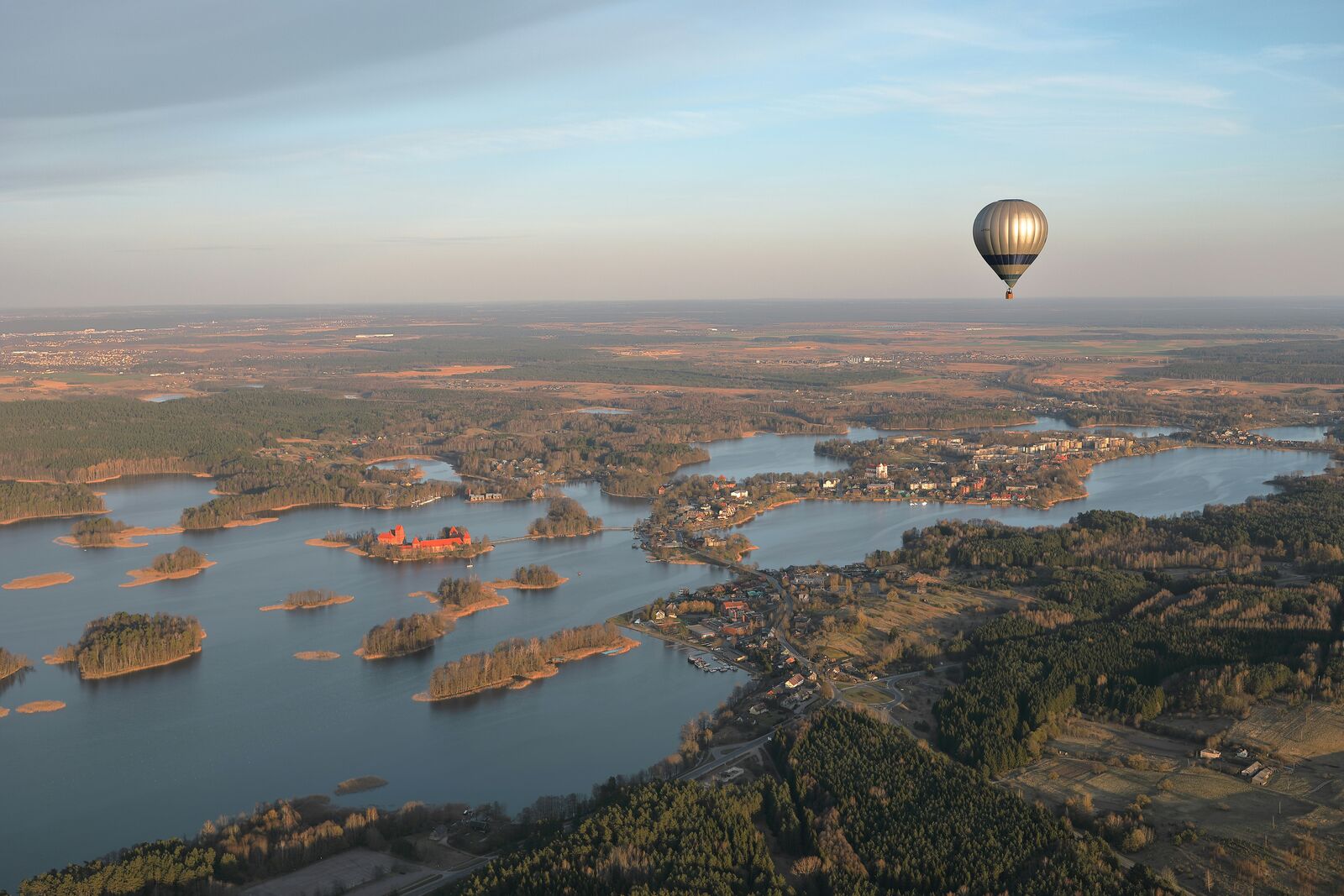
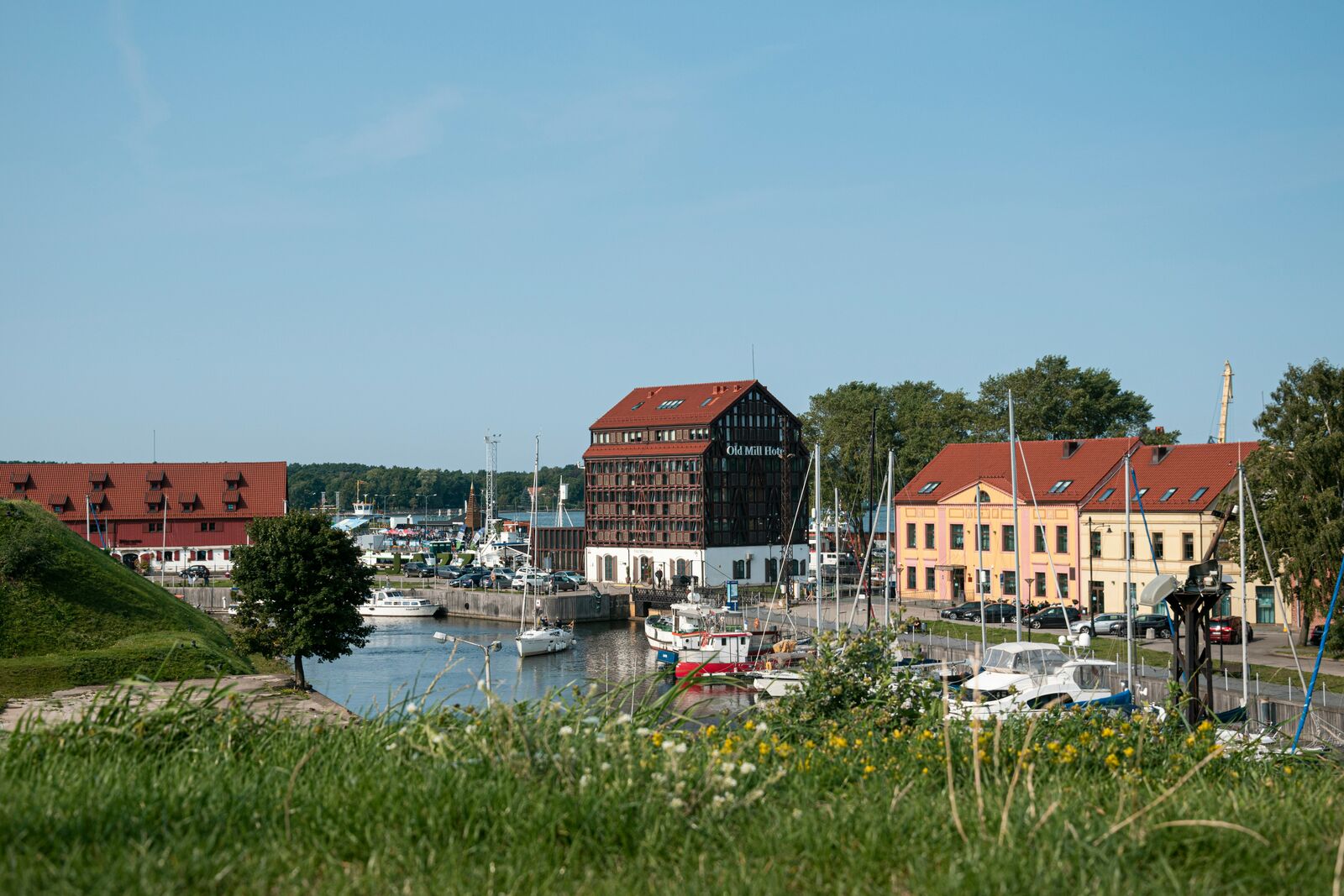
Scenic routes in Lithuania
Interesting facts about Lithuania
- Glacial retreat left over three thousand lakes, forcing rural secondary roads to wind extensively around water boundaries.
- The country has a high ratio of paved trunk roads relative to its flat, low-density population distribution.
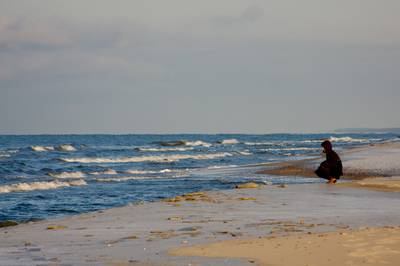
- Coastal driving routes are defined by active sand movement, requiring constant maintenance against shifting dunes along the Baltic.
Why take a road trip in Lithuania?
Driving through Lithuania is one of the best ways to experience its landscapes. Many of the most beautiful places are not accessible by public transport, which makes road trips the most flexible and rewarding way to explore.
The real value is not just in destinations, but in the journey itself — long empty roads, unexpected viewpoints, and small stops that don’t appear in guidebooks.
FAQ about scenic driving in Lithuania
What is the best scenic drive in Lithuania?
It depends on the region, but mountain and coastal routes are usually the most popular.
When is the best time to visit?
Spring to early autumn is generally the best season for road trips.
Are these routes beginner-friendly?
Many routes are easy to drive, but mountain roads may require more attention.