Scenic Driving Routes in Turkey
Turkey offers highly diverse scenic driving routes, combining Mediterranean coastlines, mountain ranges, deserts, and ancient historical regions bridging Europe and Asia. Drivers can explore Cappadocia, the Turquoise Coast, the Black Sea mountains, and inland Anatolian highways. The country offers dramatic changes in scenery over relatively long distances. Turkey is ideal for road trips combining culture, history, and natural diversity.
Turkey offers a distinct driving environment across the vast Anatolian peninsula, where coastal highways transition into high-altitude inland plateaus. Road trips here cross multiple geographical zones, from the Mediterranean and Aegean coastlines to the arid valleys of central Anatolia and the forested peaks bordering the Black Sea. This terrain diversity means long-distance drives connect maritime lowlands with high mountain passes over a single day of travel, exposing drivers to rapid shifts in climate, agriculture, and local architecture.
Map of scenic routes in Turkey
Click on a route line to open its detailed page
Historical context of Turkey
For centuries, trade corridors like the Silk Road followed the natural east-west depressions across the Anatolian plateau, establishing persistent travel routes between Europe and Asia. Major empires built fortified roadside stations along these paths, which fixed the positions of modern towns and service centers. In the mid-twentieth century, the state prioritized a comprehensive national highway program over rail infrastructure. This decision resulted in the asphalt corridors used today, which largely mimic ancient military and trade routes through mountain gaps and river basins.
Geography of Turkey
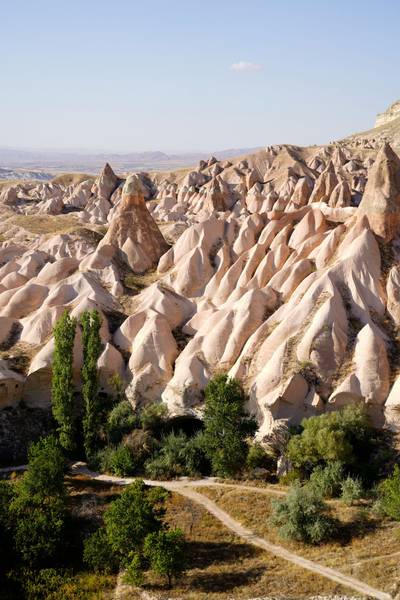
The central Anatolian plateau sits at an average elevation of one thousand meters, ringed by the North Anatolian Mountains and the Taurus Mountains to the south. These parallel ranges create steep vertical barriers between the interior and the sea, forcing coastal roads to navigate sharp climbs and tight river gorges. Because tectonic activity has folded the landscape, roads frequently follow long fault valleys or cut through extensive fields of eroded volcanic ash, which dictates where engineers could safely build stable highway foundations.
Road conditions in Turkey
The national road network features wide, multi-lane divided highways that connect major regional hubs across flat terrain. However, as drivers move into mountain territory or toward rural valleys, routes narrow into winding two-lane roads that follow the contours of the hills. Infrastructure density is high along western industrial corridors, with frequent fuel stations and services, but thins out significantly in the eastern highlands, where drivers encounter extended gradients and longer distances between towns.
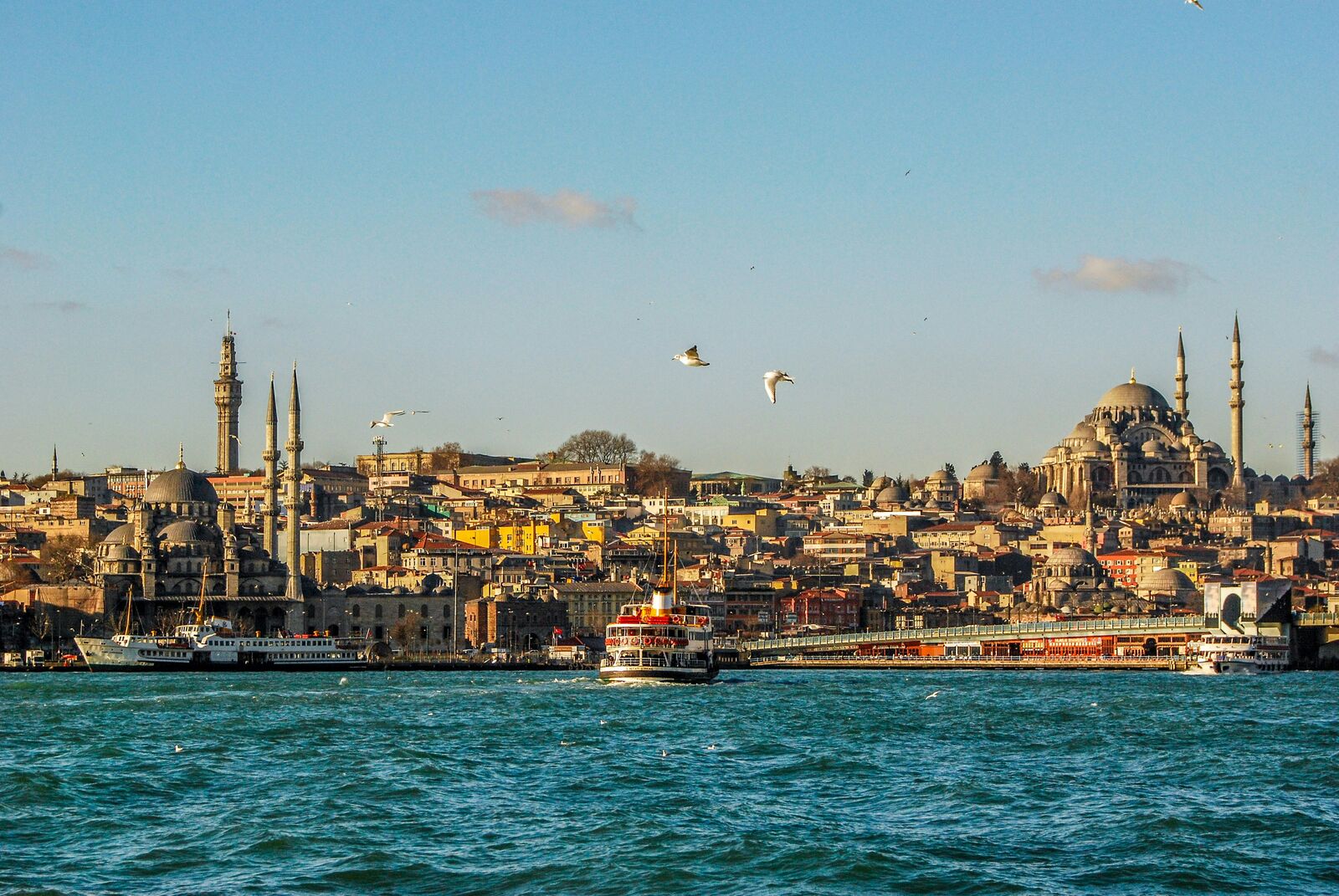

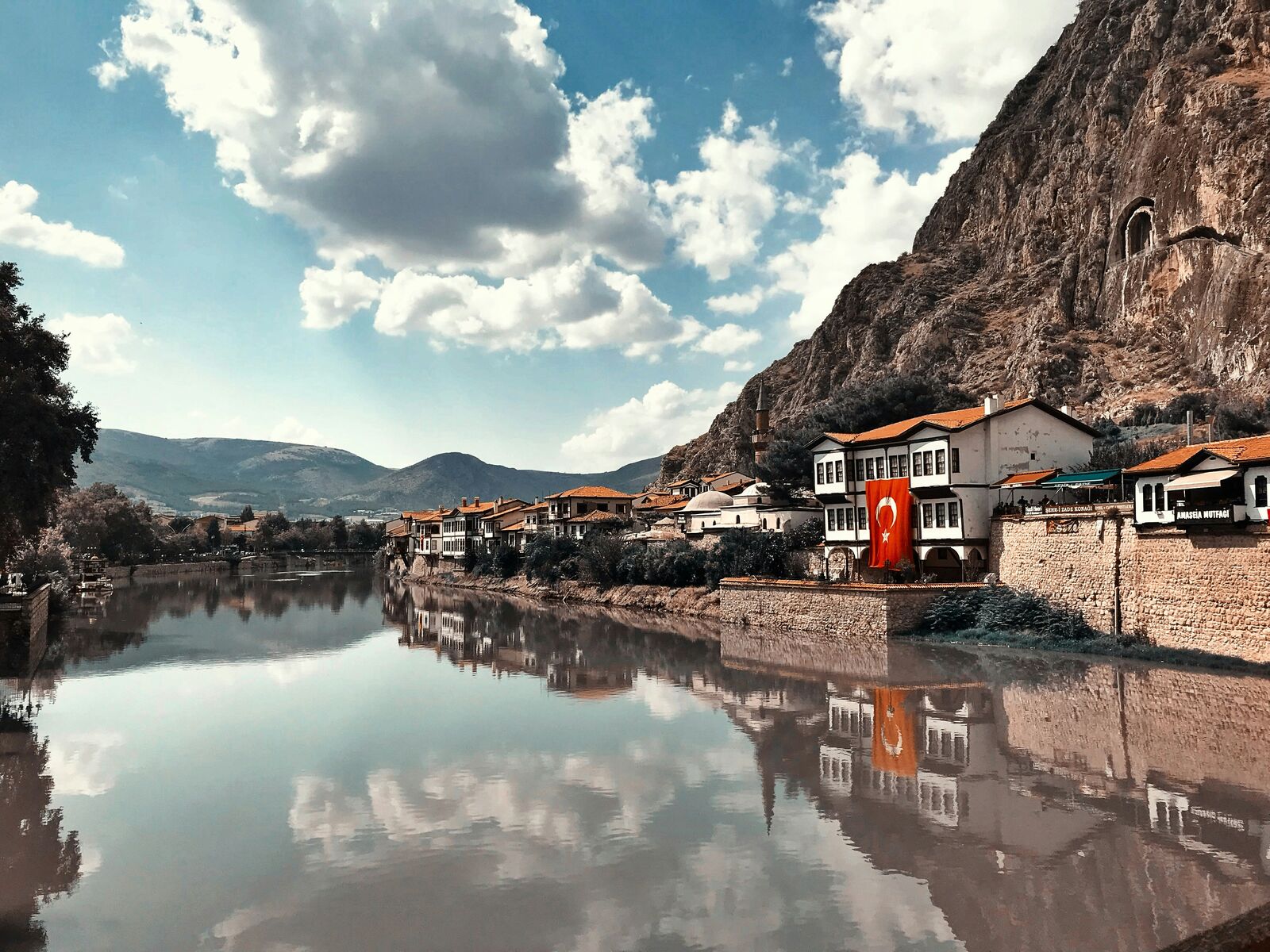
Scenic routes in Turkey
Interesting facts about Turkey
- The country's highway network relies on mountain tunnels to link the high central plateau with isolated coastal trading ports.
- Many modern dual carriageways directly overlay stone-paved paths established by Roman and Ottoman engineers for imperial transport.
- East-west drivers climb continuously from sea level to plateaus exceeding two thousand meters near the eastern border.
Why take a road trip in Turkey?
Driving through Turkey is one of the best ways to experience its landscapes. Many of the most beautiful places are not accessible by public transport, which makes road trips the most flexible and rewarding way to explore.
The real value is not just in destinations, but in the journey itself — long empty roads, unexpected viewpoints, and small stops that don’t appear in guidebooks.
FAQ about scenic driving in Turkey
What is the best scenic drive in Turkey?
It depends on the region, but mountain and coastal routes are usually the most popular.
When is the best time to visit?
Spring to early autumn is generally the best season for road trips.
Are these routes beginner-friendly?
Many routes are easy to drive, but mountain roads may require more attention.