Scenic Driving Routes in Iran
Iran offers diverse scenic driving routes across mountains, deserts, forests, and ancient cultural corridors. The geography creates strong regional contrasts. Drivers can explore the Alborz and Zagros mountains, Caspian forest regions, central deserts, and historic Silk Road cities. The variety is exceptional. Iran is ideal for culturally rich and geographically diverse road trips.
Iran provides a vast canvas for long-distance road trips, centered around an elevated central plateau ringed by massive mountain barriers. Driving here involves moving between hyper-arid desert basins, fertile highland valleys, and the surprisingly dense subtropical forests along the Caspian Sea coast. The stark transitions between dry desert floors and high-altitude asphalt passes make the driving experience structurally distinct, as roads must constantly climb and descend to connect the country's separate climatic zones.
Map of scenic routes in Iran
Click on a route line to open its detailed page
Historical context of Iran
For centuries, transcontinental trade routes like the Silk Road dictated the placement of settlements along the base of the mountains, where freshwater runoff from the peaks was accessible. Imperial caravanserais established predictable intervals for travel, which heavily influenced the spacing of modern towns along contemporary highways. Twentieth-century industrial development and oil revenues funded an extensive, centralized asphalt network designed to link these historically isolated oasis cities across wide, empty expanses, resulting in long, straight desert corridors that connect directly to steep, winding mountain passes.
Geography of Iran
The Iranian plateau is bounded by the Alborz mountain range in the north and the Zagros range in the west and south, enclosing the central Dasht-e Kavir and Dasht-e Lut deserts. This topography forces primary transport routes to navigate high mountain passes, often exceeding two thousand meters in elevation, before dropping into flat, arid basins. Because rivers are scarce and mostly seasonal, engineers laid roads along alluvial fans at the base of ridges to avoid both shifting desert sands and rugged, rocky summits.
Road conditions in Iran
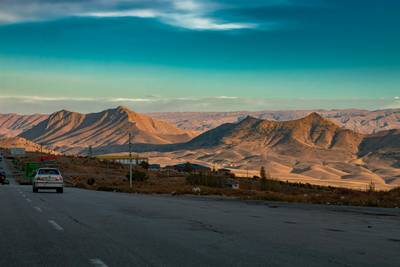
The road network features high-quality, multi-lane expressways connecting major metropolitan hubs, transitioning to narrow two-lane asphalt routes in remote areas. Driving across the central plains involves long, straight stretches with low infrastructure density between distant settlements. In contrast, the mountain segments require navigating continuous switchbacks and steep grades where the road surface cuts directly through bare rock layers, requiring drivers to adapt quickly from high-speed cruising to technical mountain maneuvering.
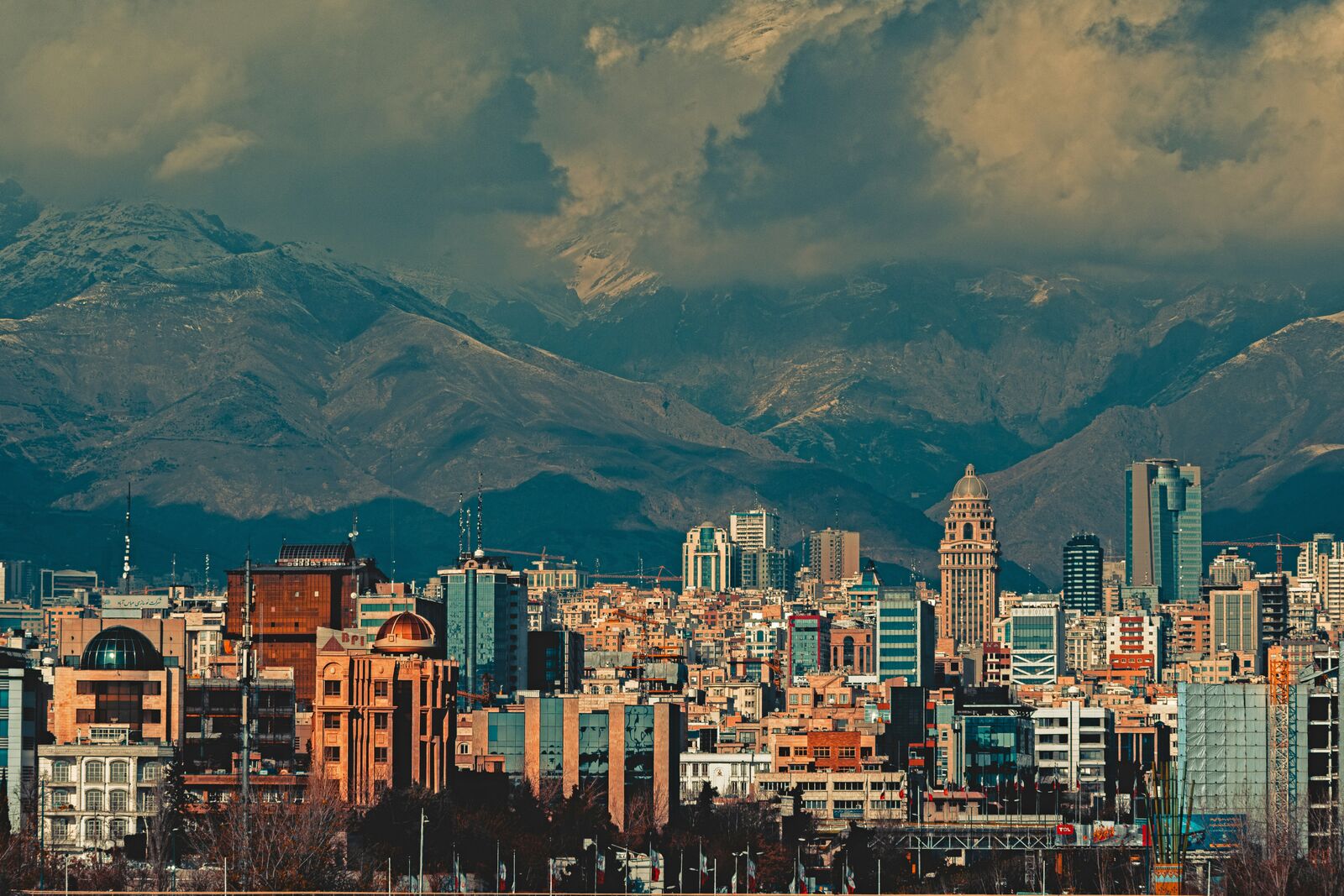
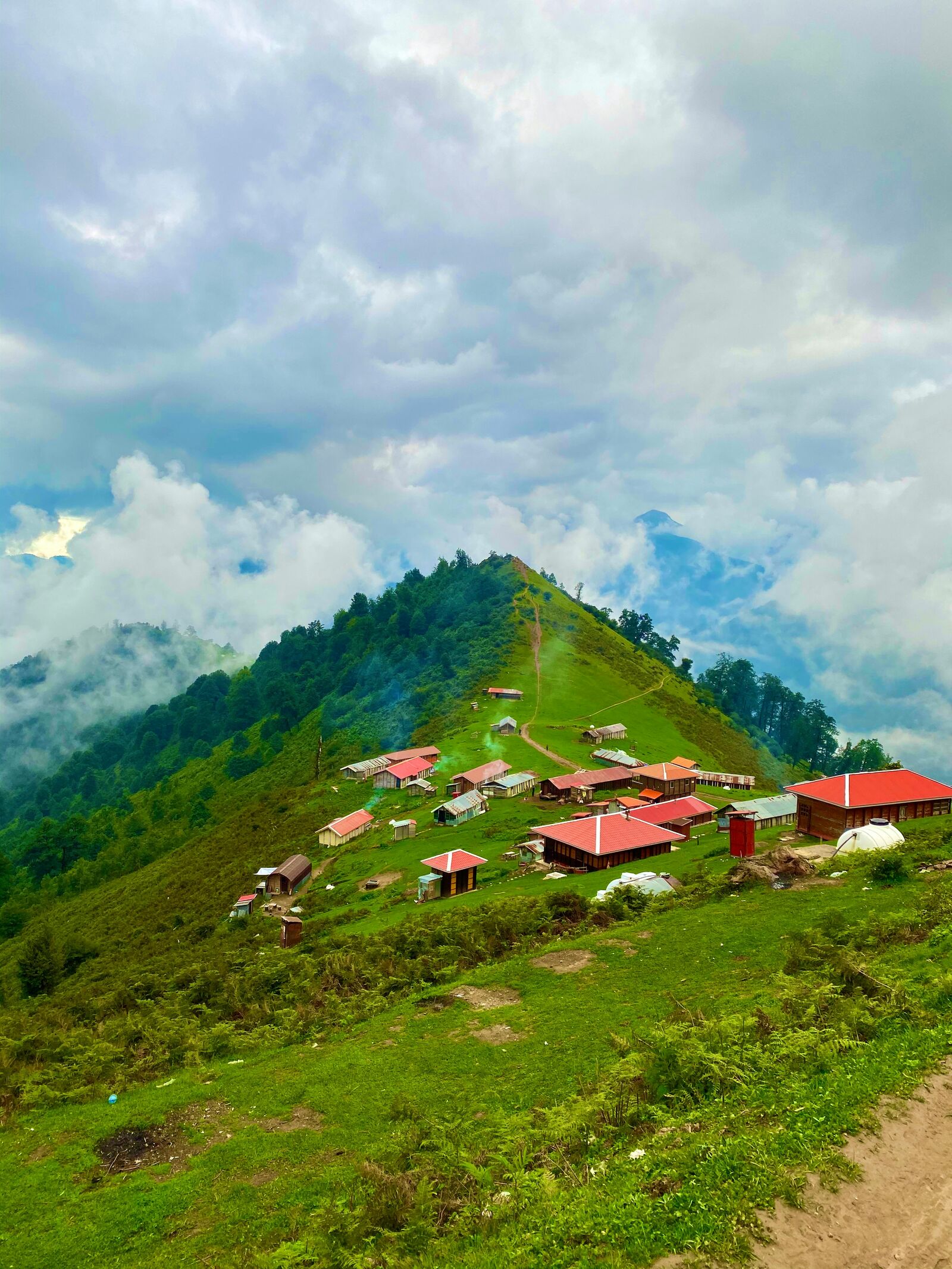
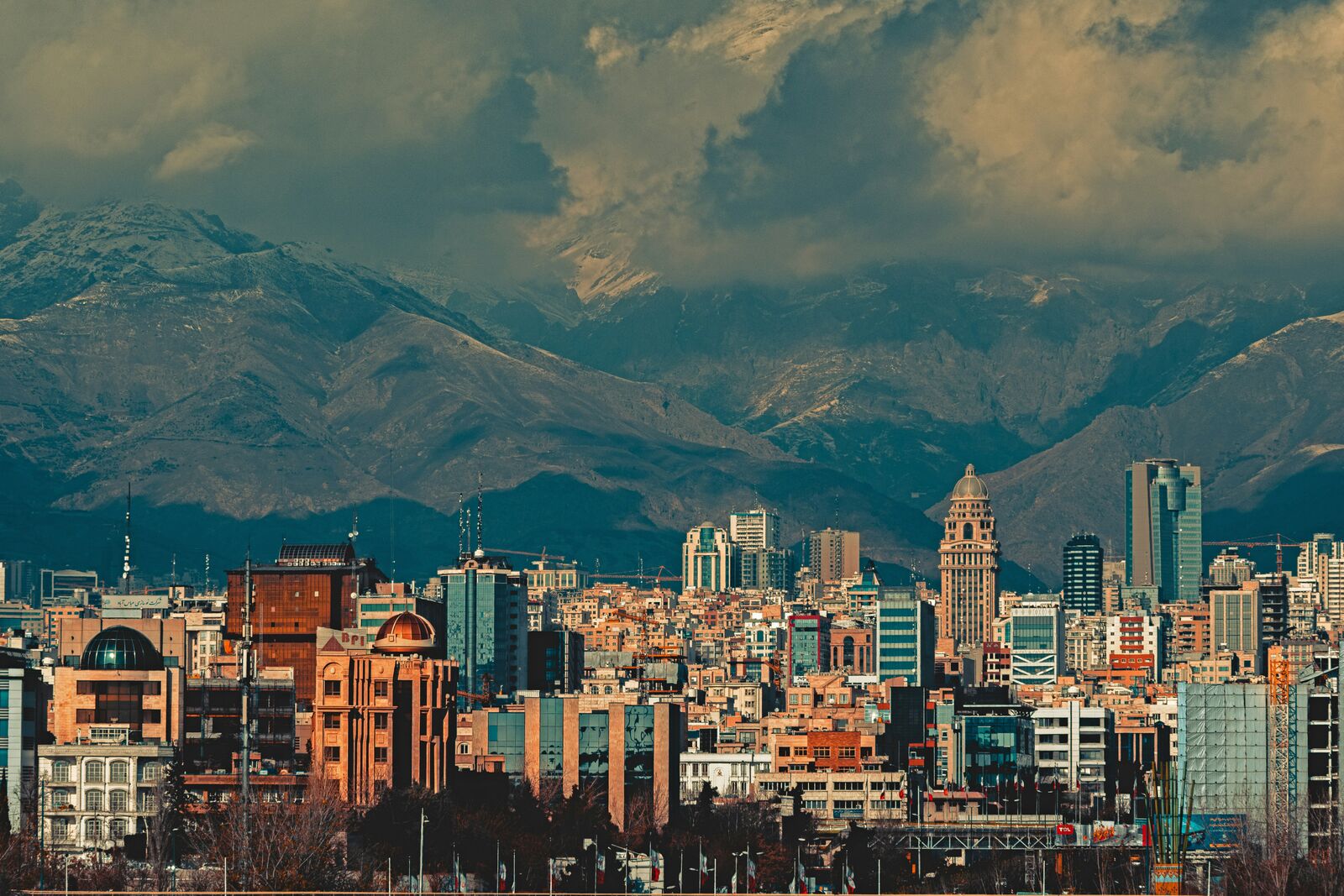
Scenic routes in Iran
Interesting facts about Iran
- Modern asphalt highways follow the exact perimeter routes of ancient Silk Road trade corridors to avoid dead-end desert centers.
- Engineers built mountain highways through the Alborz range to connect dry inland plains with low-lying Caspian coastal forests.
- The country's reliance on underground aqueducts concentrated historical towns along mountain fringes, spacing out modern roadside services.
Why take a road trip in Iran?
Driving through Iran is one of the best ways to experience its landscapes. Many of the most beautiful places are not accessible by public transport, which makes road trips the most flexible and rewarding way to explore.
The real value is not just in destinations, but in the journey itself — long empty roads, unexpected viewpoints, and small stops that don’t appear in guidebooks.
FAQ about scenic driving in Iran
What is the best scenic drive in Iran?
It depends on the region, but mountain and coastal routes are usually the most popular.
When is the best time to visit?
Spring to early autumn is generally the best season for road trips.
Are these routes beginner-friendly?
Many routes are easy to drive, but mountain roads may require more attention.