
Scenic Driving Routes in Greece
Greece offers scenic driving through mountainous mainland regions, coastal highways, and island landscapes. The country combines sea views with ancient cultural heritage. Drivers can explore the Peloponnese, mainland mountain routes, Ionian coast, and island roads such as Crete. The scenery is varied and historically rich. Greece is ideal for coastal and cultural scenic road trips.
Greece offers a distinctive road trip terrain where heavily fragmented mountain ranges descend directly into an extensive coastline. Driving here alternates between high-altitude inland passes and winding coastal roads. This fractured geography means routes frequently shift from dense pine forests and deep river basins to dry Mediterranean shores. Navigating the mainland requires crossing major natural obstacles, providing drivers with rapid changes in elevation and immediate transitions between alpine and marine landscapes within relatively short journeys.
Map of scenic routes in Greece
Click on a route line to open its detailed page
Historical context of Greece
The location of modern roads is largely defined by antiquity, following the corridors that connected ancient city-states separated by steep mountain ridges. During the Ottoman period, settlement patterns shifted toward high-altitude villages to maintain security, establishing isolated mountain outposts that today are reached by narrow switchback routes. Modern highway infrastructure development, notably the Egnatia Odos, was built to mirror trade routes that historically linked the Adriatic Sea to Asia Minor, integrating isolated northern basins into the national transit network.
Geography of Greece
The Pindus range forms a massive central spine across the mainland, acting as a geographic barrier that splits the country into eastern and western regions. Because of this steep limestone topography, roads must follow natural river valleys or navigate high mountain gaps like the Katara Pass. The coastline is heavily indented with deep gulfs, which forces coastal drivers to follow lengthy perimeter routes around major peninsulas or use bridges to span major water barriers.
Road conditions in Greece
The driving experience changes from multi-lane tollways to narrow regional routes. The primary highway system features smooth asphalt, gentle curves, and frequent tunnels cutting through mountain obstacles. In contrast, driving into the mountainous interior or across the Peloponnese involves narrow, two-lane roads that conform closely to the hillside curves. Service stations and roadside infrastructure are densely packed along major arteries but become sparse on remote mountain ascents.
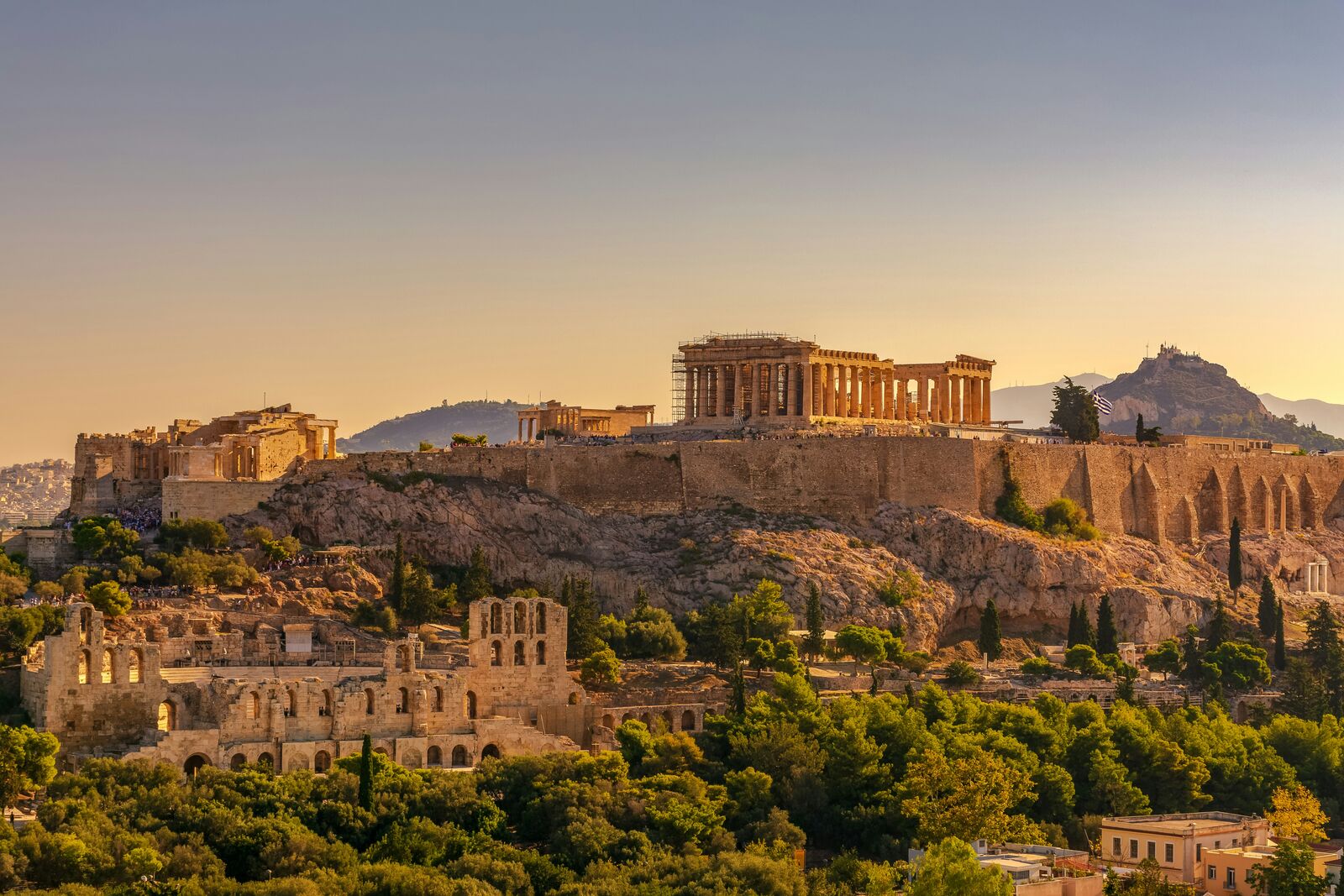
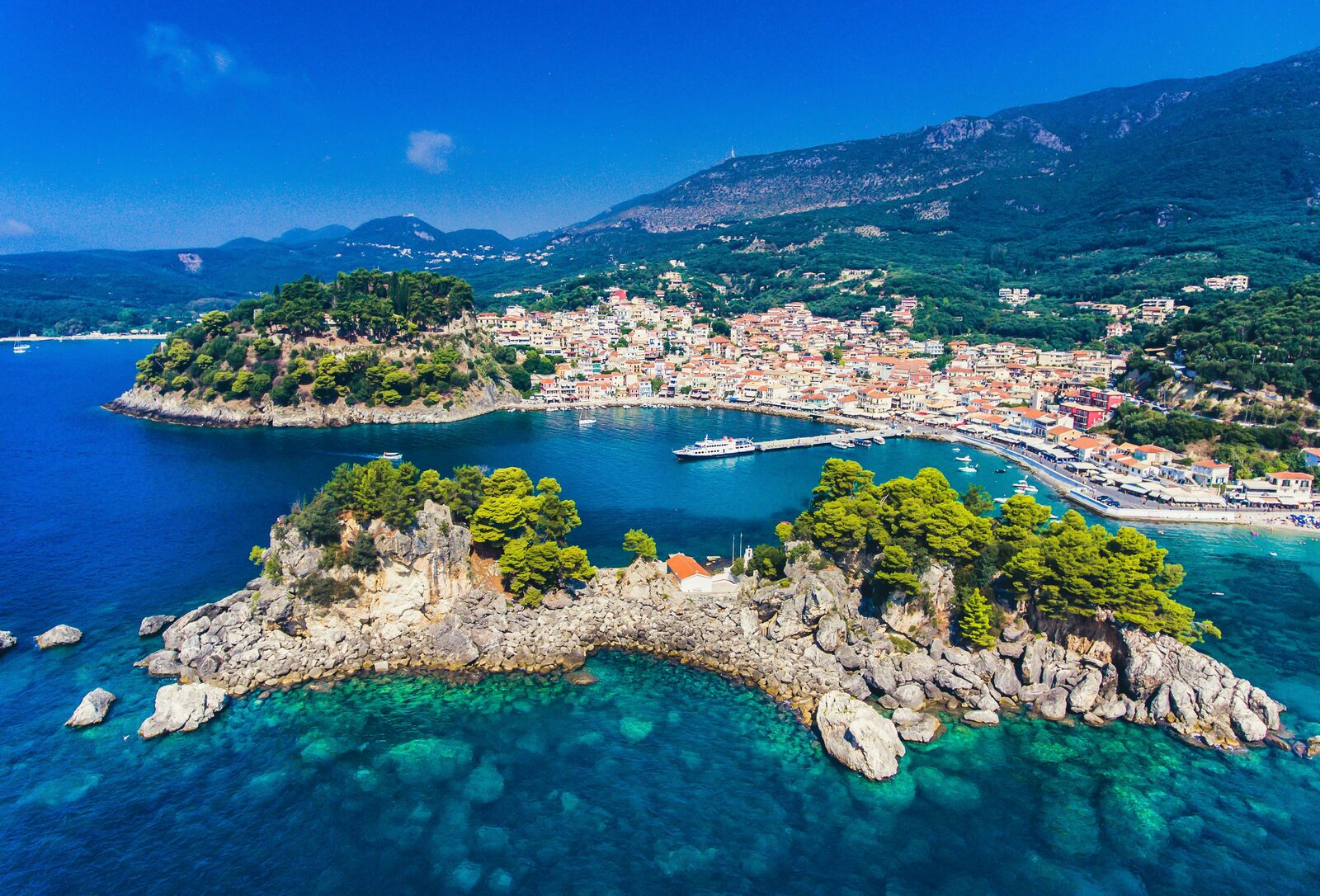
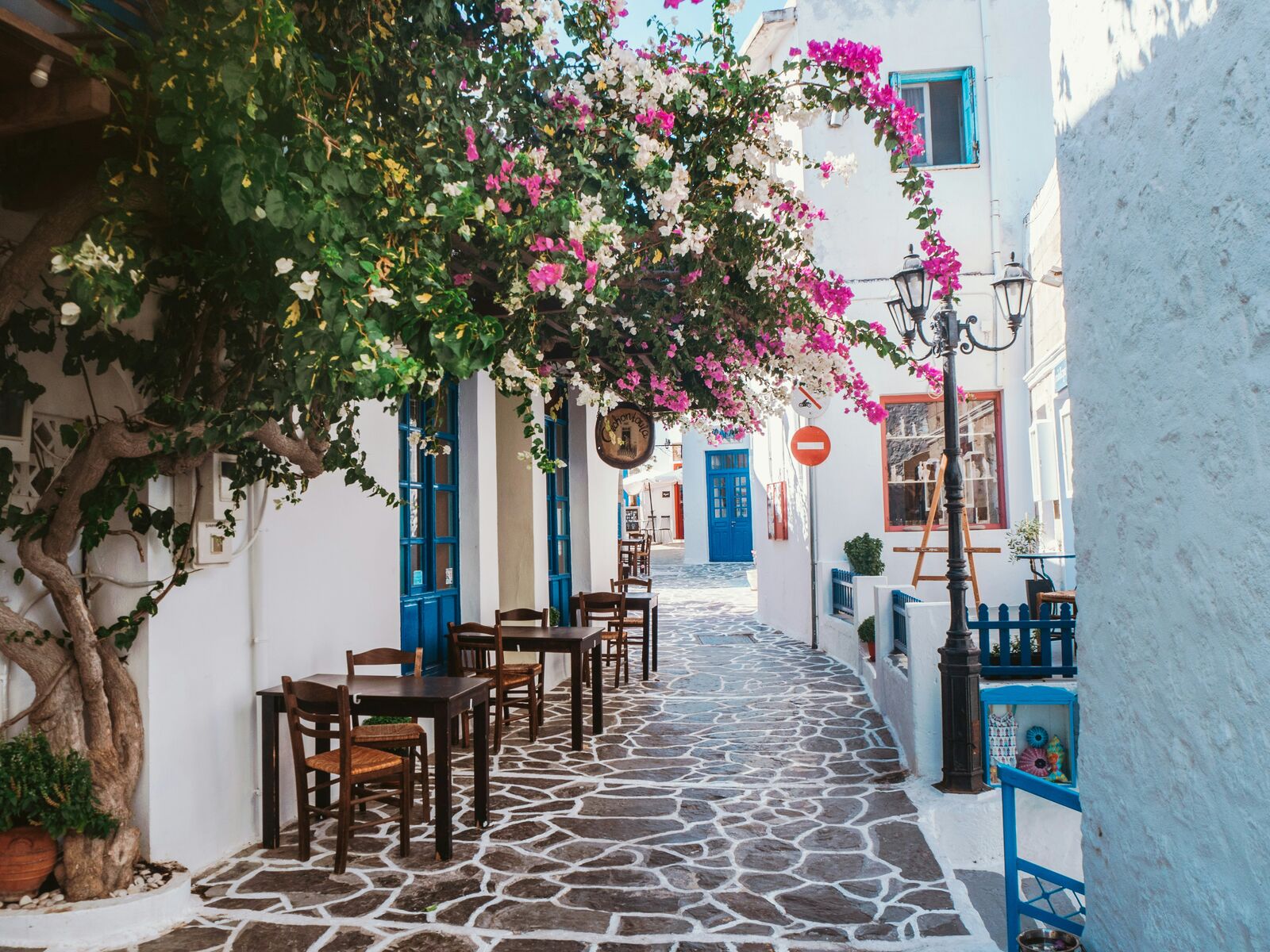
Scenic routes in Greece

Interesting facts about Greece
- Mountain terrain covers eighty percent of the land, forcing major highways to rely on extensive tunnel systems.
- Many mountain roads were originally mule tracks connecting high-altitude agricultural villages to coastal market towns.
- Coastal driving routes are lengthened by thousands of inlets, requiring continuous turning along the water edge.
Why take a road trip in Greece?
Driving through Greece is one of the best ways to experience its landscapes. Many of the most beautiful places are not accessible by public transport, which makes road trips the most flexible and rewarding way to explore.
The real value is not just in destinations, but in the journey itself — long empty roads, unexpected viewpoints, and small stops that don’t appear in guidebooks.
FAQ about scenic driving in Greece
What is the best scenic drive in Greece?
It depends on the region, but mountain and coastal routes are usually the most popular.
When is the best time to visit?
Spring to early autumn is generally the best season for road trips.
Are these routes beginner-friendly?
Many routes are easy to drive, but mountain roads may require more attention.