
Scenic Driving Routes in Ireland
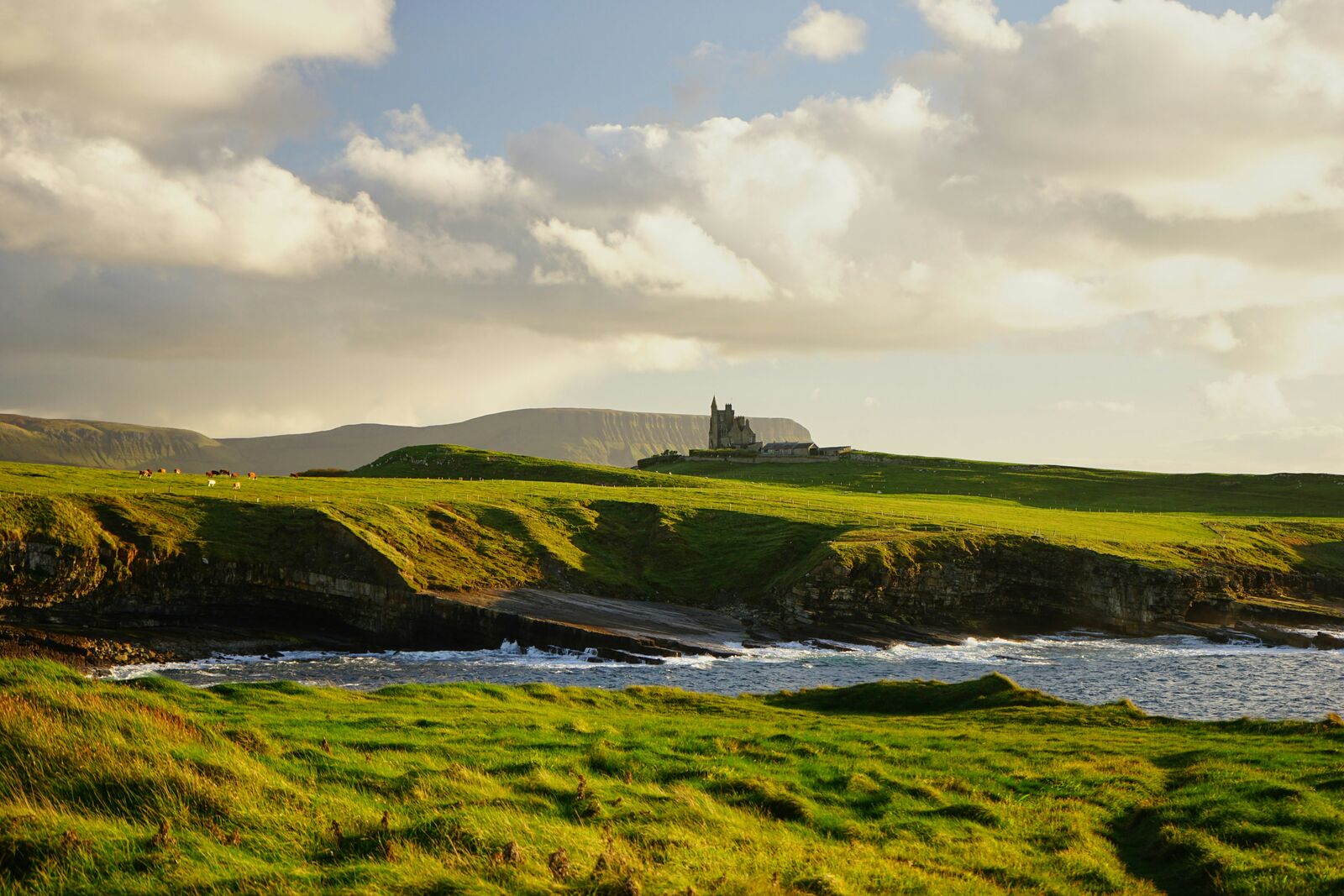
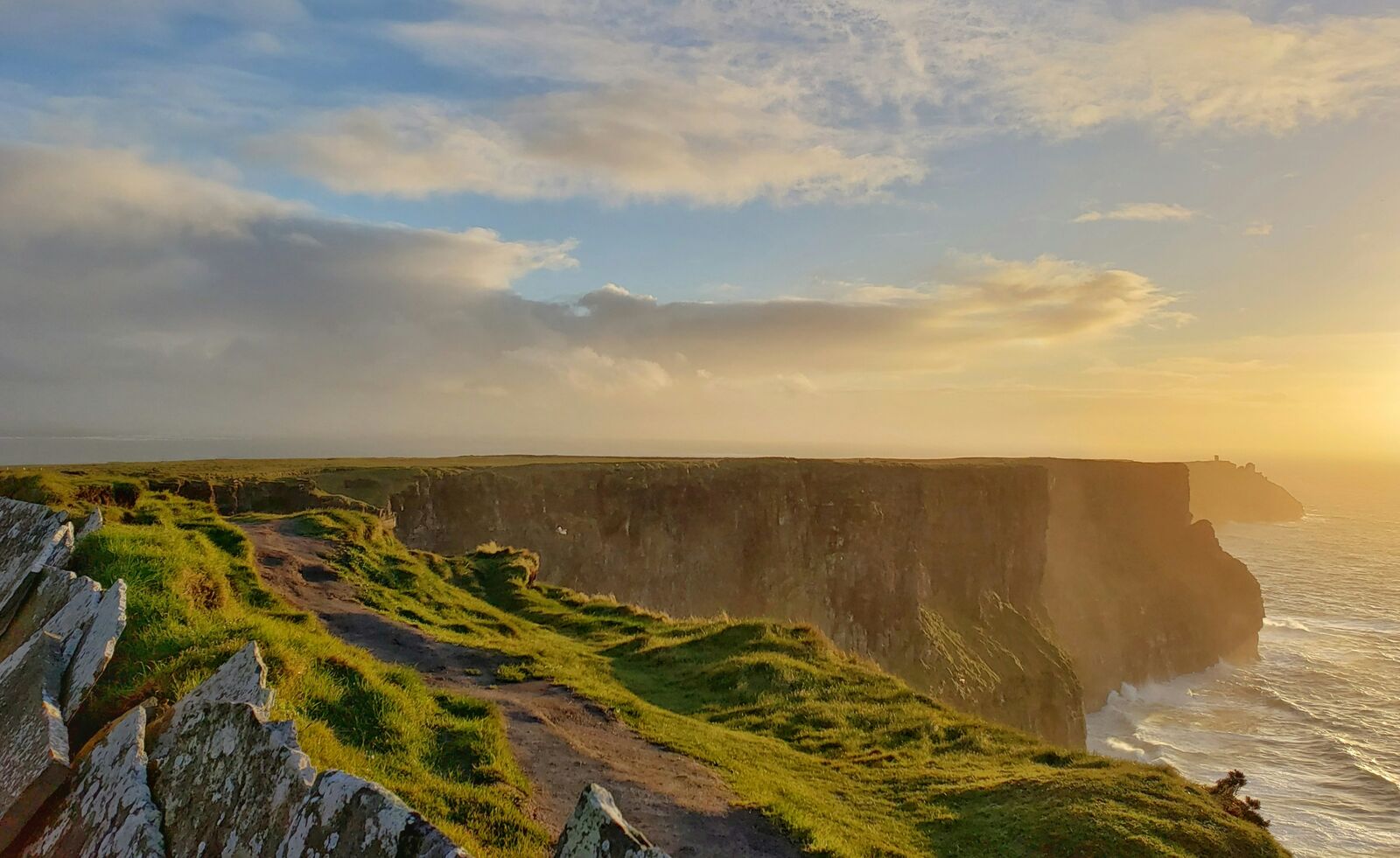
Ireland offers lush green landscapes, dramatic Atlantic coastlines, and winding rural roads filled with lakes and small villages. Drivers can explore the Wild Atlantic Way, Ring of Kerry, Connemara region, and scenic inland countryside. Weather often enhances the dramatic scenery. Ireland is ideal for relaxed coastal and countryside road trips.
Ireland provides a distinctive road trip terrain defined by a low-lying central limestone plain ringed by coastal mountain blocks. Driving through the island involves navigating a highly fragmented landscape where interior peat bogs and river basins give way to deeply indented Atlantic sea loughs and sheer marine cliffs. This rapid transition between pastoral valley roads and exposed cliffside tracks creates a varied driving experience over short distances, heavily influenced by the maritime climate.
Map of scenic routes in Ireland
Click on a route line to open its detailed page
Historical context of Ireland
The modern road layout is rooted in an exceptionally dense network of nineteenth-century agricultural tracks and famine relief roads designed to connect scattered rural settlements. Historic patterns of land division and tenant farming meant that roads were built tightly around field boundaries rather than cutting through them. Consequently, today's scenic routes follow ancient local pathways, binding modern drivers to a historical footprint of stone walls and hedgerows that grew organically around ancestral homesteads and medieval trade routes.
Geography of Ireland
The physical layout of Ireland forces major routes to either skirt the deeply indented western coastline or cut through wide interior sandstone valleys. Glacial erosion carved deep u-shaped valleys and fjord-like inlets in counties like Galway, Mayo, and Kerry, meaning roads must contour around mountain bases or ascend narrow gaps. The lack of high altitude barriers allows roads to cross mountain passes at lower elevations, yet the proximity to the ocean subjects these coastal routes to persistent moisture and wind erosion.
Road conditions in Ireland
Drivers encounter a stark contrast between high-speed multi-lane motorways radiating from Dublin and the highly localized regional network. Rural routes are typically narrow, single-carriageway lanes that track the uneven contours of the land, requiring frequent adjustments in speed for blind bends and changing elevations. Service infrastructure is tightly packed within towns but sparse across the open boglands and western peninsulas, where roads frequently run right alongside active farmland and coastal drop-offs.

Scenic routes in Ireland
Mixed scenic routes
Wild Atlantic Way Scenic Coastal Drive (North Section)
Cliffs, ocean views and rugged Irish coastline.
Ring of Kerry Scenic Loop Drive
Classic Irish scenic loop with mountains and lakes.
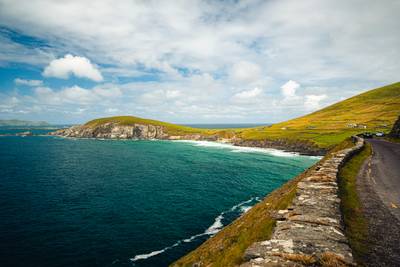
Dingle Peninsula Drive
Wild Atlantic coastal loop with cliffs, beaches and traditional Irish villages
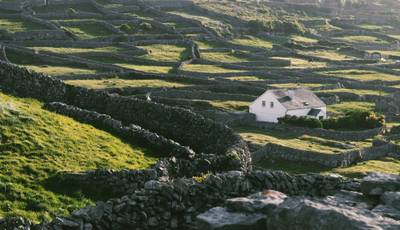
Ring of Beara
Quiet Atlantic peninsula loop with rugged coastline, mountain passes and remote villages
Interesting facts about Ireland
- The dense local road network stems from nineteenth-century relief projects designed to connect isolated coastal communities.
- Road placement in the west is strictly bounded by glacial valleys and deep Atlantic sea inlets.
- Ancient turf-cutting rights mean many interior roads were built specifically to transport peat from central bogs.
Why take a road trip in Ireland?
Driving through Ireland is one of the best ways to experience its landscapes. Many of the most beautiful places are not accessible by public transport, which makes road trips the most flexible and rewarding way to explore.
The real value is not just in destinations, but in the journey itself — long empty roads, unexpected viewpoints, and small stops that don’t appear in guidebooks.
FAQ about scenic driving in Ireland
What is the best scenic drive in Ireland?
It depends on the region, but mountain and coastal routes are usually the most popular.
When is the best time to visit?
Spring to early autumn is generally the best season for road trips.
Are these routes beginner-friendly?
Many routes are easy to drive, but mountain roads may require more attention.