
Scenic Driving Routes in Iceland
Iceland offers one of the most unique scenic driving experiences in the world, with volcanic landscapes, glaciers, waterfalls, black sand beaches, and geothermal areas. Drivers can travel the Ring Road, Golden Circle, South Coast, and remote highland routes. The scenery is constantly dramatic and otherworldly. Iceland is ideal for nature-focused road trips with extreme landscapes.
Iceland provides a distinct driving environment defined by an unshielded coastal ring road and a vast, unpopulated interior plateau. Road trips here are characterized by a complete absence of forests, exposing drivers to long-range views of volcanic floodplains, coastal fjords, and glacial margins. The primary route follows the natural edge of the island, transitioning from wide alluvial plains to steep coastal cliffs where roads must closely track the contour of the shoreline.
Map of scenic routes in Iceland
Click on a route line to open its detailed page
Historical context of Iceland
Settlement patterns historically clung to the coastline and deep fjords, as the interior highlands were impassable. For centuries, travel between communities occurred by boat or horseback along narrow coastal paths, delaying comprehensive road construction until the twentieth century. The completion of the primary circular highway in 1974 bridged isolated glacial outwash plains, transforming a fragmented network of local tracks into a unified driving loop. Modern bridges now span volatile glacial rivers, following historic transit lines to maintain land-based connections between remote fishing hubs.
Geography of Iceland
The central basalt plateau dictates that most vehicular travel remains on the perimeter of the island. Roads are forced onto a narrow strip of land between steep volcanic ridges and the ocean, or across flat black sand plains formed by subglacial floods. Active volcanic zones require roads to traverse ancient, uneven lava fields, while the steep walls of the eastern and western fjords require long, curving routes around water inlets. This layout means routes are heavily shaped by water barriers and steep coastal grades.
Road conditions in Iceland
The driving experience changes immediately upon leaving the main perimeter highway. The primary route is mostly asphalted and two lanes wide, utilizing elevated embankments to prevent snow accumulation. In contrast, regional routes frequently change to packed gravel surfaces that alter tire traction. Interior paths leading inland cross rugged, unpaved terrain without bridges, requiring drivers to navigate natural river fords. Infrastructure is dense near the southwest, but shrinks to basic fuel stations separated by long distances in the east and north.
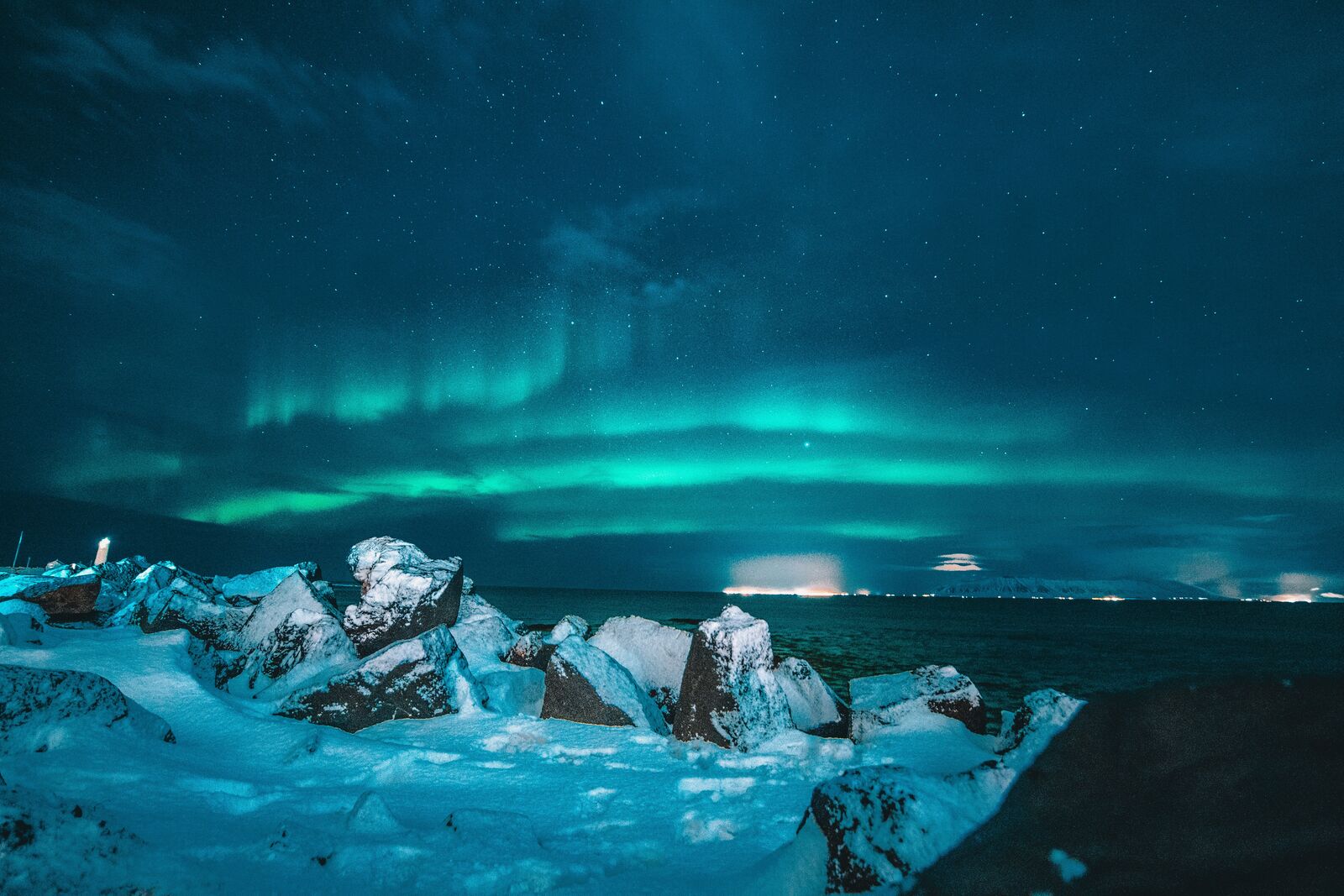
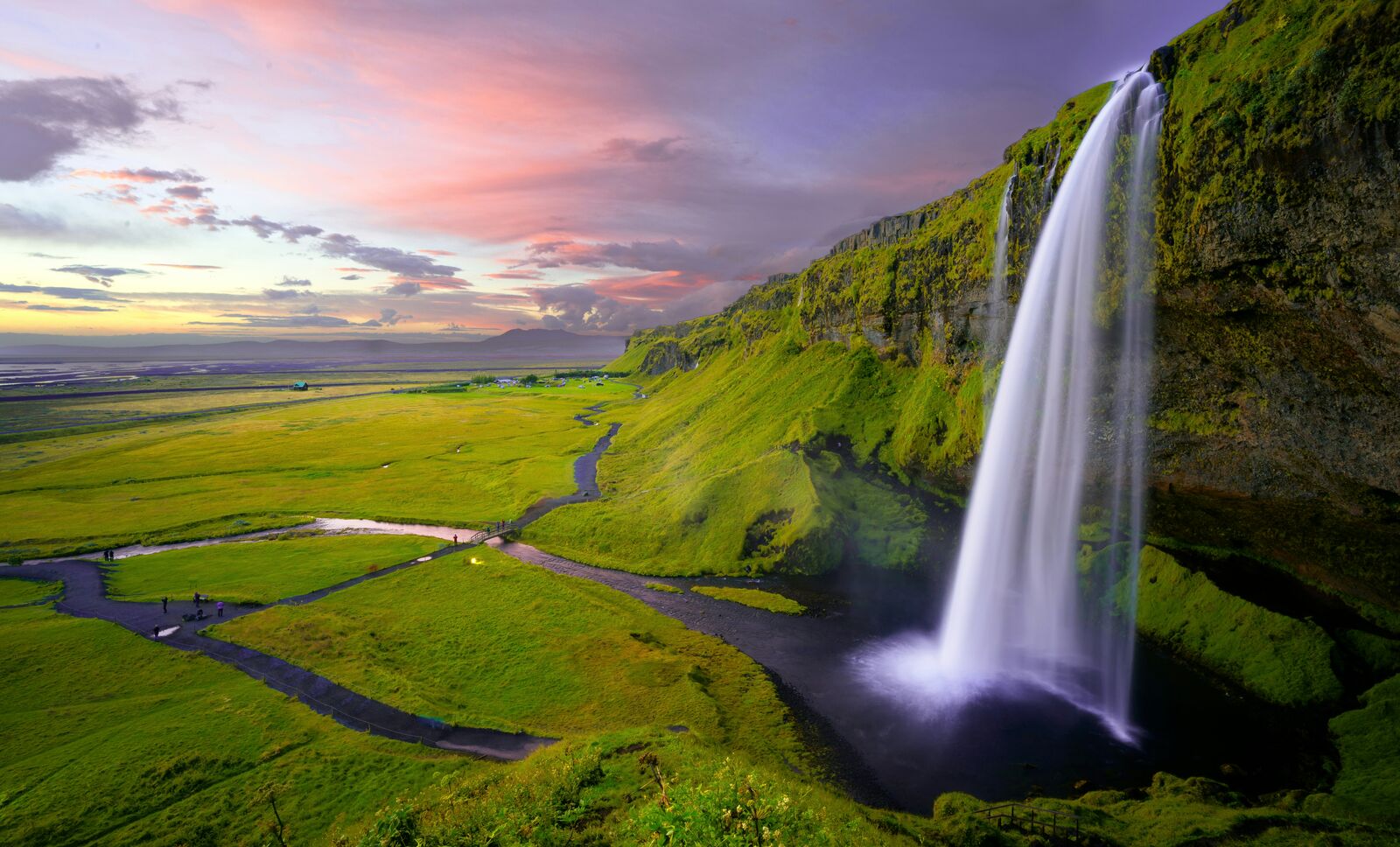
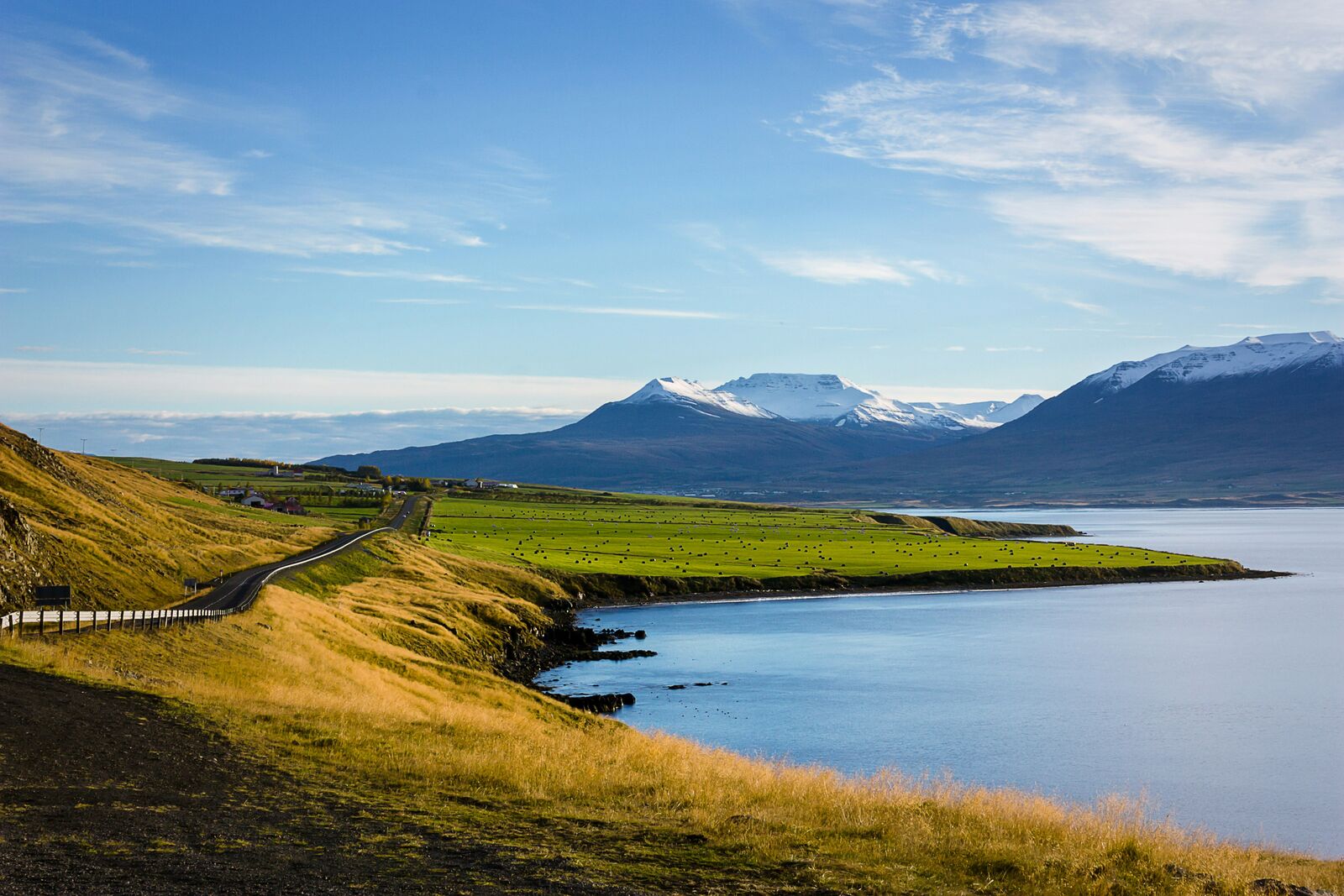
Scenic routes in Iceland
Mixed scenic routes
Iceland Ring Road Scenic Highway Drive
Complete loop around Iceland with glaciers and volcano landscapes
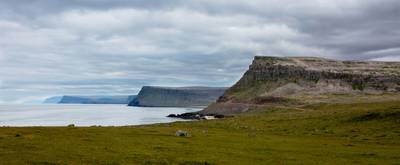
Westfjords Remote Scenic Drive
Remote Icelandic fjords and cliffs.
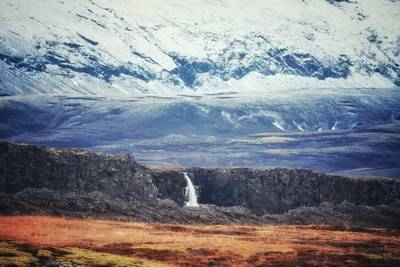
Iceland Golden Circle & Landmannalaugar Ultimate Scenic Highlands Route
Epic Iceland road trip combining Golden Circle highlights with the volcanic highlands of Landmannalaugar
Interesting facts about Iceland
- The main ring road was only completed in 1974 when engineers successfully bridged the southern glacial floodplains.
- Roads are built on raised gravel embankments to let high winds clear snow naturally from the driving surface.
- Bridges on the primary highway are often single-lane structures, requiring drivers to take turns based on arrival sequence.
Why take a road trip in Iceland?
Driving through Iceland is one of the best ways to experience its landscapes. Many of the most beautiful places are not accessible by public transport, which makes road trips the most flexible and rewarding way to explore.
The real value is not just in destinations, but in the journey itself — long empty roads, unexpected viewpoints, and small stops that don’t appear in guidebooks.
FAQ about scenic driving in Iceland
What is the best scenic drive in Iceland?
It depends on the region, but mountain and coastal routes are usually the most popular.
When is the best time to visit?
Spring to early autumn is generally the best season for road trips.
Are these routes beginner-friendly?
Many routes are easy to drive, but mountain roads may require more attention.